

According to Kordpress, the analytical report of the Foundation for the Defense of Democracies warns that the era after Recep Tayyip Erdogan, the 71-year-old president of Turkey, will not only be accompanied by a smooth and democratic transition, but can also lead to the intensification of authoritarianism, intra-elite conflict, and even political instability. Despite speculations about Erdoğan's health, he still has several legal and extra-legal tools at his disposal to maintain power beyond 2028; From amending the constitution and early elections to suspending elections in emergency situations.
According to this report, in the event of Erdogan's resignation or incapacity, the Turkish constitution requires early elections to be held within 45 days, and Vice President Judet Yilmaz will take over power temporarily.
However, the Justice and Development Party (AKP) lacks a clear succession mechanism after two decades of one-man leadership, making intense competition within governance likely.
Among the figures close to Erdogan, three names stand out more than others:
Hakan Fidan, Foreign Minister and former head of the Turkish Intelligence Organization (MIT), who is considered one of the serious options due to his security influence and closeness to Erdogan
Seljuk Bayraktar, Erdoğan's son-in-law and director of the drone company "Baykar", who enjoys public popularity and high financial power, but has no political experience:
and Bilal Erdoğan, the president's son, who, relying on the economic, media and judicial networks of the Erdoğan family, represents the "hereditary transfer of power" scenario; A scenario that is facing widespread opposition from the opposition and even a part of the ruling coalition.
On the opposition front, Akram Imamoglu, the mayor of Istanbul and the main candidate of the Republican People's Party (CHP), is still considered the most serious opponent of Erdogan and the ruling party; However, his imprisonment with controversial court cases is seen as a clear attempt to eliminate him politically. If Imamoglu continues to be detained, Mansur Yavash, the mayor of Ankara, is proposed as an alternative option and a figure with high public acceptance.
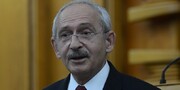
Alongside them, current CHP leader Ozgur Özel and former party leader Kemal Kılıçdaroğlu play more minor roles in the power equation.
The report also mentions marginal but potentially influential figures; including Suleiman Soylo, the former Minister of Interior; Abdullah Gul, former president and one of the founders of AKP; Ahmet Davutoğlu, former prime minister and leader of the Future Party; Ali Babajan, former Minister of Economy and leader of Deva Party; and Hulusi Akar, the former Minister of Defense. However, the authors emphasize that none of these figures currently have the social base or power leverage necessary to definitively succeed Erdogan.
The report concludes that Turkey's future is more tied to legal engineering, judicial pressure, and infighting within Erdogan's power circle than it is to an open election contest. The Foundation for the Defense of Democracies warns that if the current trend continues, Türkiye may become a model similar to "authoritarian transfer of power" in closed systems; A situation that will seriously endanger not only democracy, but also the country's political stability.


Your Comment