


سایر اخبار مهم
-
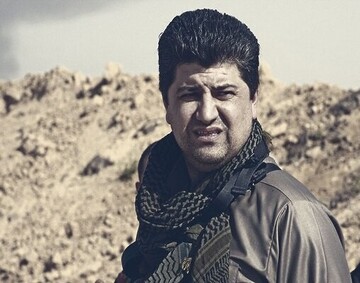
In support of Sheikh Jangi, Hawler and Soleimani in Lahore, there is a lot of discontent
Today's decision is to turn the tide of discontent for the support of Sheikh Jangi and the partners of Hawler and Soleimani in Lahore.
-

Large images of Öcalan installed at the memorial ceremony for PKK martyrs in Diyarbakir
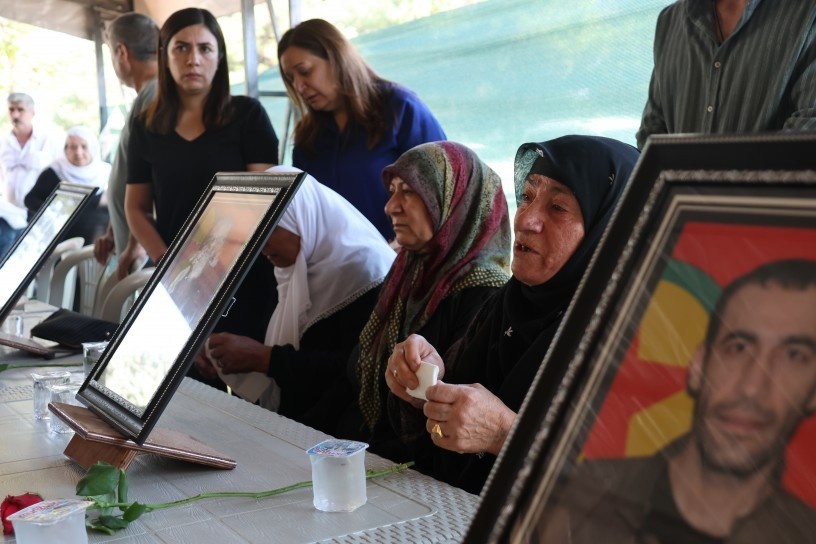
Service Turkey – On the second day of the memorial ceremony for the fallen PKK members in Diyarbakir's Koşuyolu Park, a group of young people installed a large image of Abdullah Öcalan at the ceremony venue.
-

Iraq's Public Revenue and Expenditures in the First Half of 2026
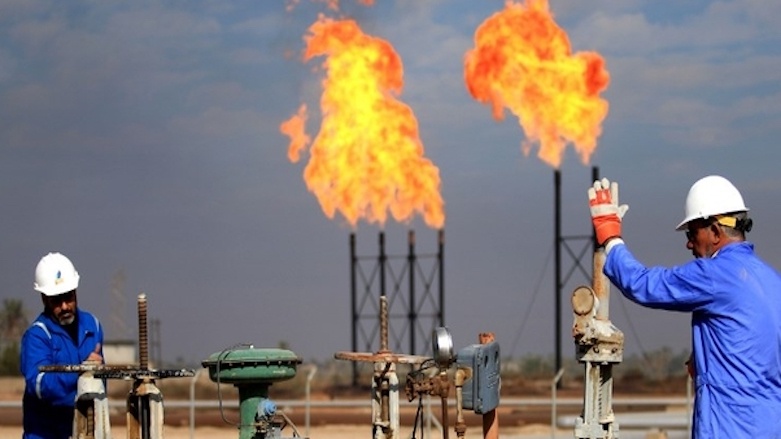
Iraq and Kurdistan Region Service - The total public revenues of the Iraqi Ministry of Finance, including oil and non-oil revenues, reached about 35,946 billion dinars in the first half of 2026, of which 79.3 percent came from oil revenues and 20.7 percent from non-oil revenues. During the same period, the total expenditures of the Ministry of Finance exceeded 57,186 billion dinars, of which 96 percent went to current expenditures and 4 percent to investment expenditures.
-

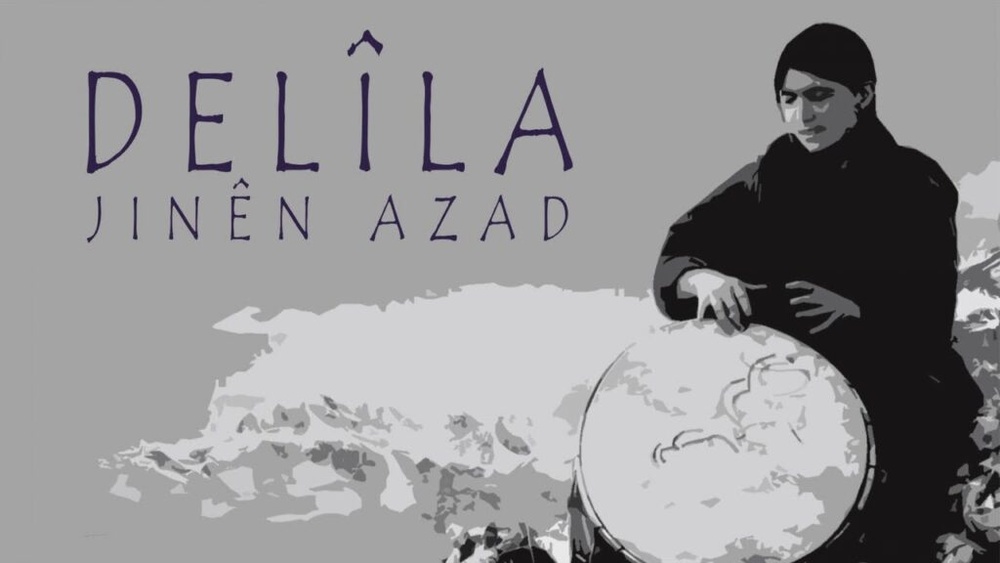
Delilah; The Dengbezhi Who Joined the PKK and Died
Service Turkey – On the 19th anniversary of the death of Shenay Gocer, the Kurdish Dengbezhi known as “Delilah”, two instructors at the “Ma Music” Music Center described her as a symbol of Kurdish women and an artist who left a lasting legacy in the field of culture and struggle with her voice, tambourine and lifestyle.
-

Kurdistan Regional Parliament Member:
Iraq limits pricing of refineries receiving subsidized oil
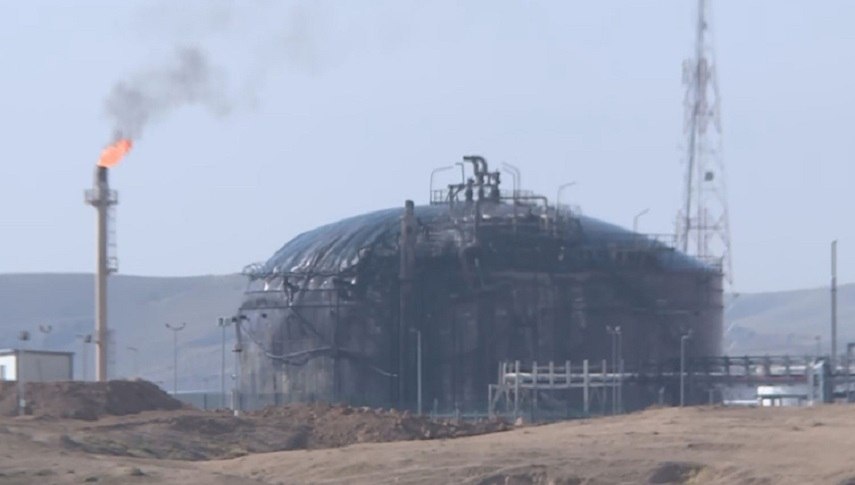
Iraq and Kurdistan Region Service- Kaveh Sheikh Ali, a member of the Kurdistan Regional Parliament from the Islamic Unity faction, announced that based on the new decision of the Iraqi Council of Ministers, state and private refineries that receive crude oil at a subsidized price can no longer set the price of their products without restrictions and relying on government support.
برگزیدهها
-

The bitter end of the activities of the forces under the command of the Syrian Kurds
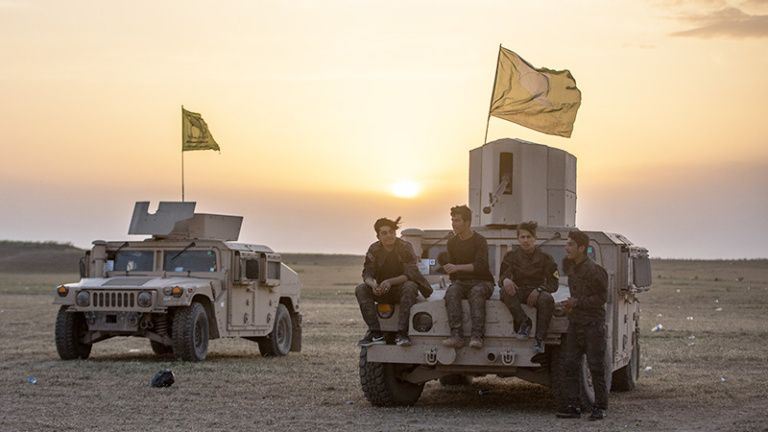
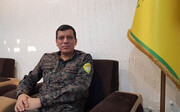
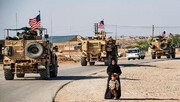
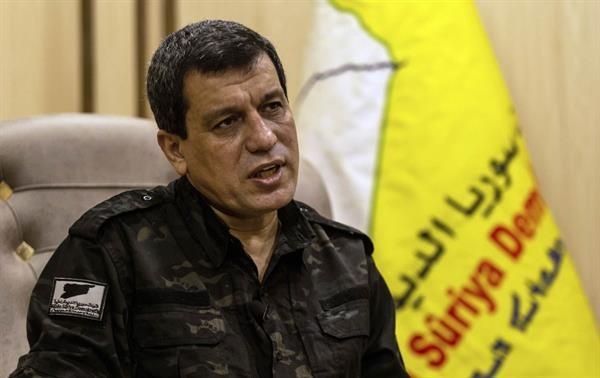
World Service- Mutlu Ceviroglu, an expert on Kurdish issues, considered the dissolution of the Syrian Democratic Forces to be the bitter end of a force that was on the forefront of the battle against ISIS for years and was supported by the United States.
-
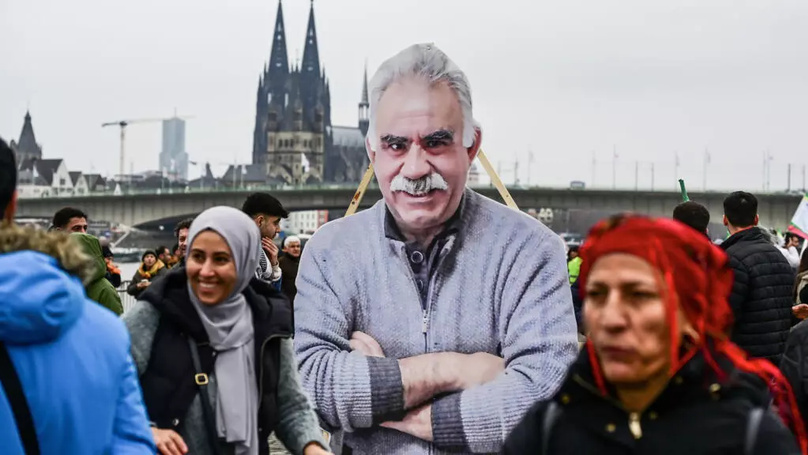
The fate of Öcalan and the Kurds under the new law
World Service- The Turkish parliament has passed a new law that has paved the way for thousands of former PKK members to return to normal life, but the law has not yet clarified the fate of Abdullah Öcalan and some senior PKK leaders, and important questions remain about the political and cultural rights of the Kurds.
-
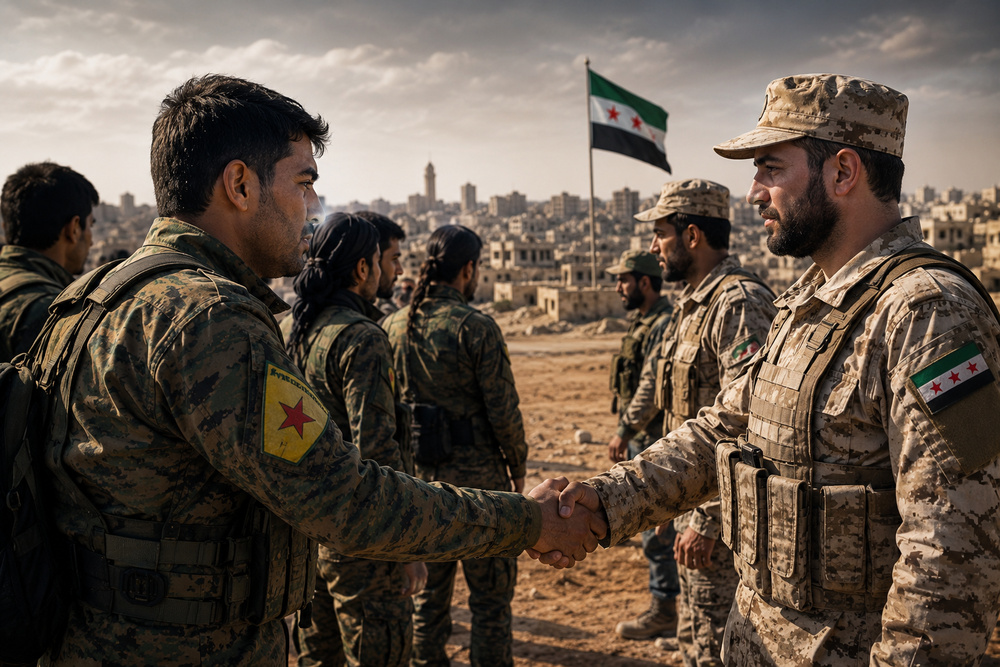
The Achilles Heel of the Kurdish Integration Process in Syria
World Service - Political agreements between Damascus and the Syrian Democratic Forces cannot provide a permanent guarantee for the rights of the Kurds without being consolidated in the constitution, and this increases the risk of the return of disputes after the end of the transitional phase.
-
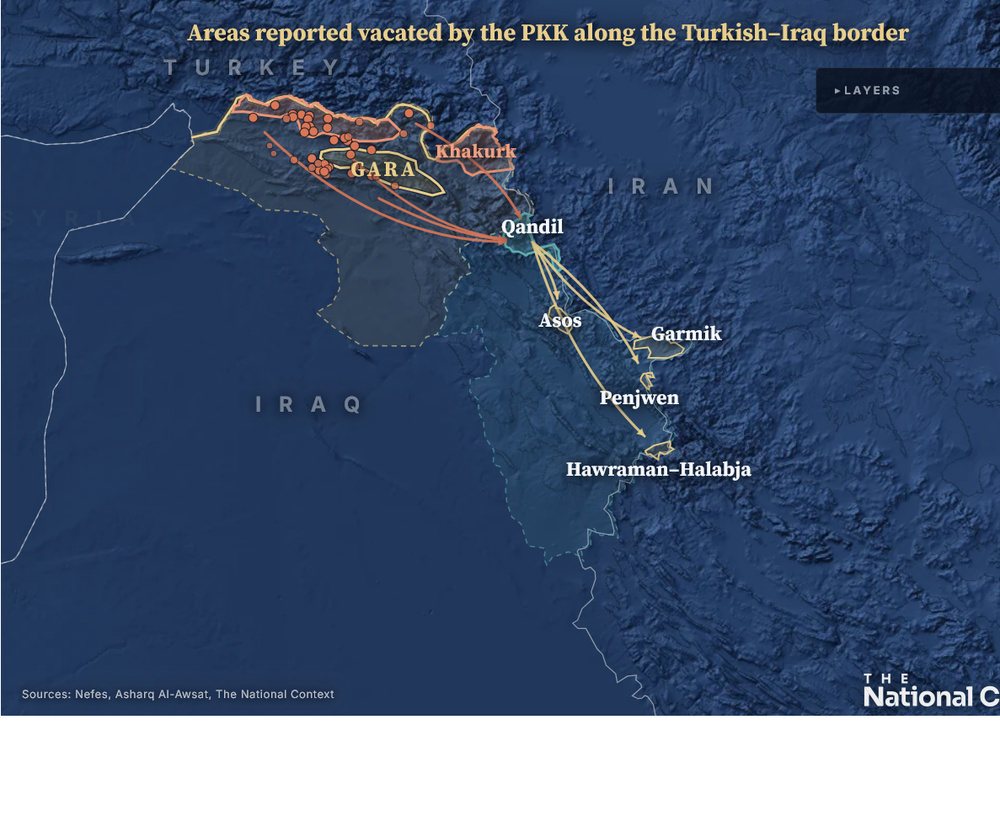
The fate of the PKK camps and military bases in the Kurdistan Region
World Service - As the process of disbanding the PKK enters its practical implementation stage, the Kurdistan Region has become the main focus of disarmament and dismantling the group's military infrastructure; a process that should determine the fate of the Qandil camps and surrounding areas, weapons depots, tunnel networks and forces stationed in these bases.
-
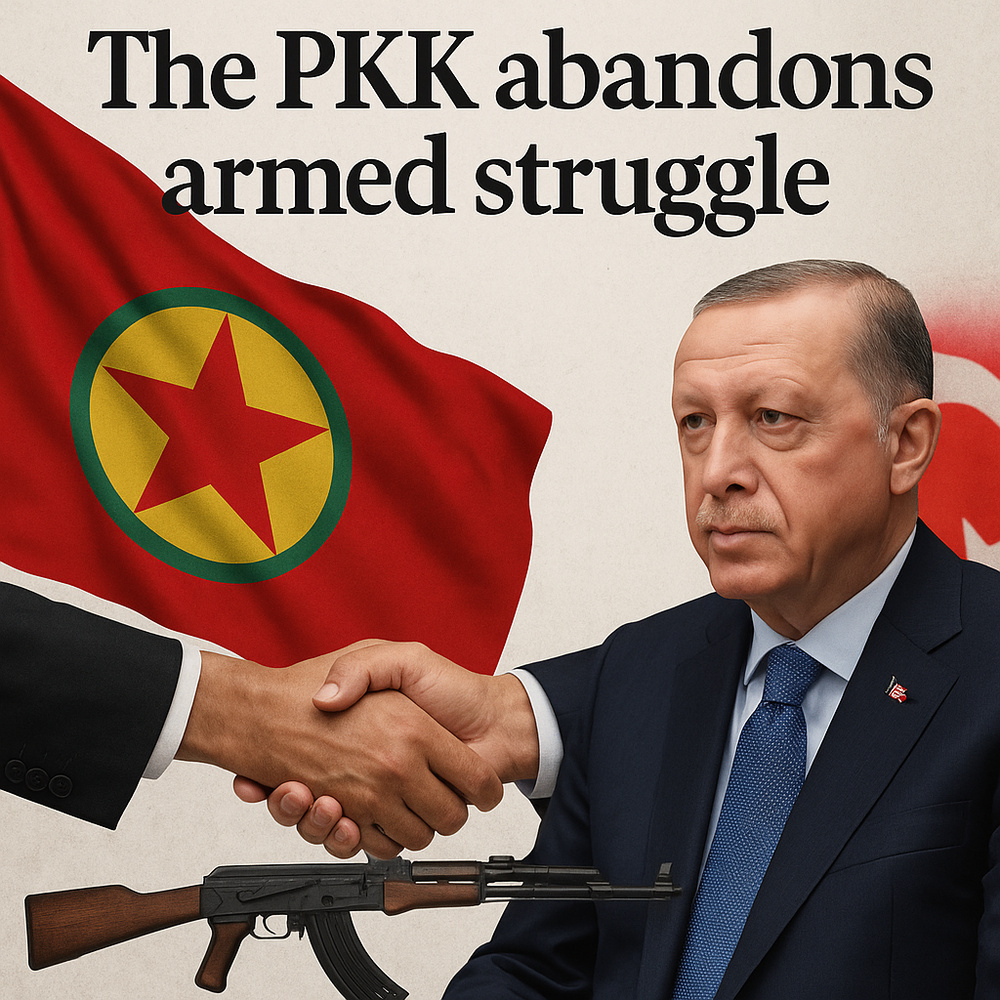
Is Turkey really ready to reconcile with the Kurds?
World Service - The new law of the Turkish parliament is the most important legal step to end the armed rebellion of the PKK in the past four decades, but the future of this process will not be determined by the passage of the law, but by the release of Ocalan, the political rights of the Kurds and the implementation of Ankara's commitments.
-
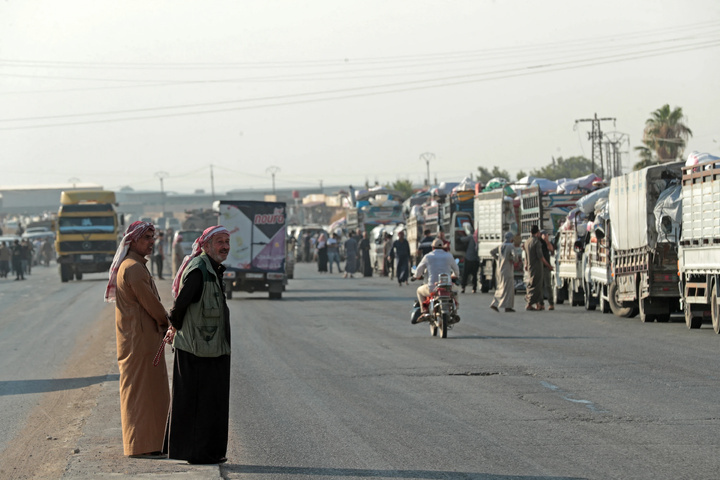
Why can't Syrian Kurdish refugees return to their homes?
World Service - The destruction of homes, the looting of property, the presence of armed forces families and the lack of an independent mechanism to determine ownership, along with ethnic tensions, have made it difficult for thousands of displaced Kurds to return to cities like Serikani.
-
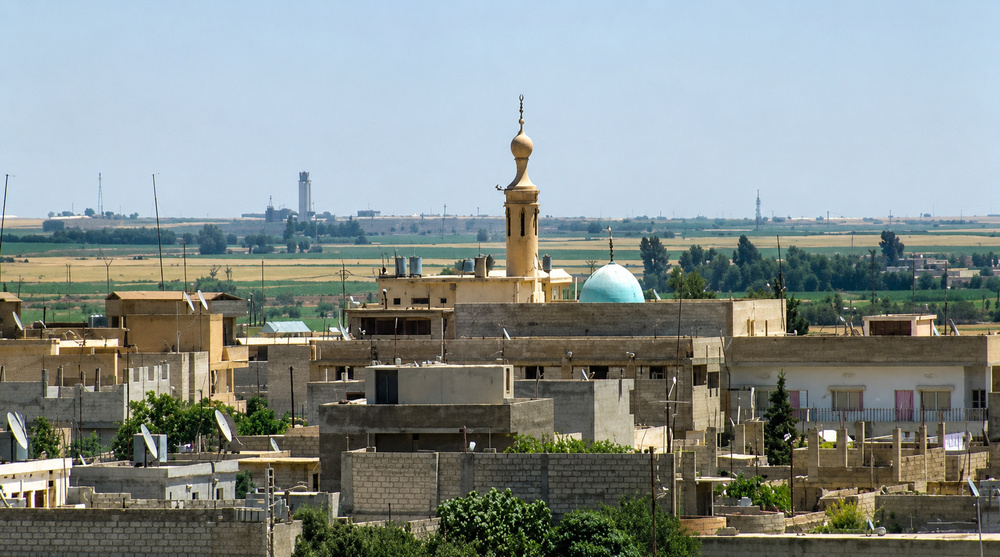
Integration without return? Sarkani is a test of the credibility of the new Syrian order
Syria Service - In a note examining the failure of the first organized attempt by Kurdish families to return to Sarkani after nearly seven years of displacement, international relations researcher Polat Jan considered this city one of the most important tests of the credibility of the new Syrian political order, and emphasized that the real realization of the integration process between Damascus and the Kurds will only be possible by ensuring the security of the return of the displaced, returning their homes and properties, dismantling informal armed networks, and holding perpetrators of violence accountable.
-
The Story of the Establishment and Dissolution of the PKK
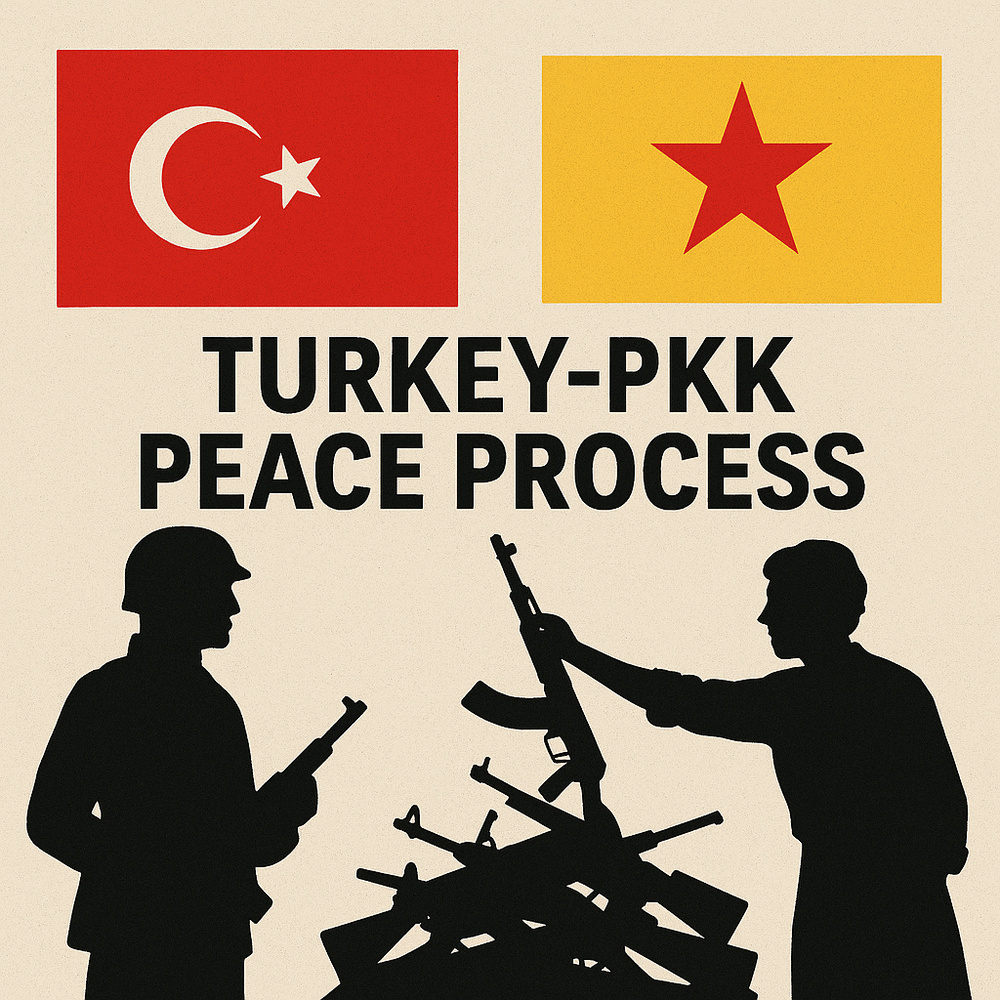
World Service- The PKK was formed in 1978 under the leadership of Öcalan and six years later entered into armed conflict with the Turkish government; now its founder has called from prison to lay down arms and move the Kurdish issue to the political arena.






اخبار ویژه


صفحه اول روزنامه




تحولات منطقه
-
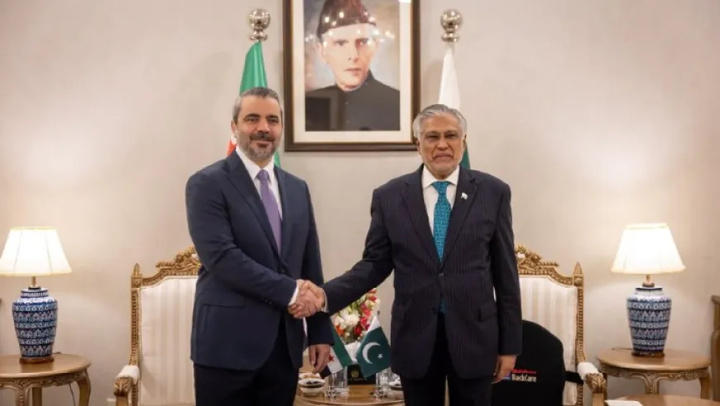
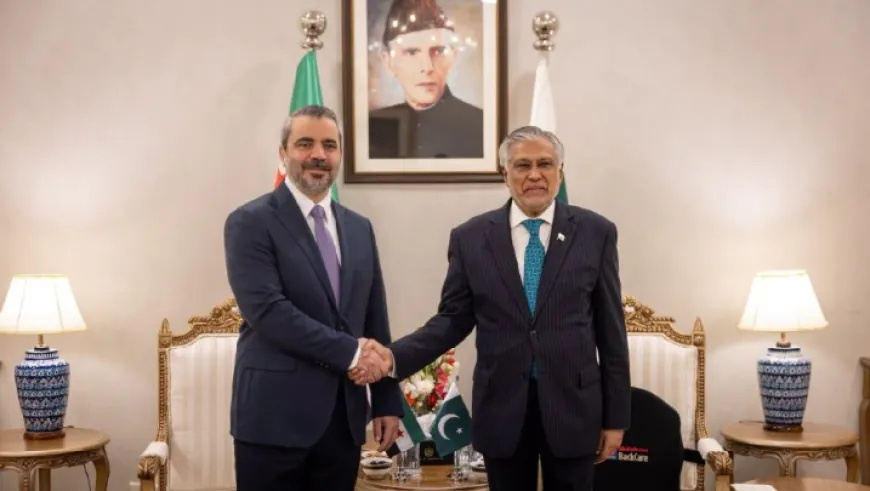
Asad Al-Shaibani meets with Pakistani Foreign Minister
Syria Service - Asad Al-Shaibani, Foreign Minister of the Syrian Interim Government, met with…
-
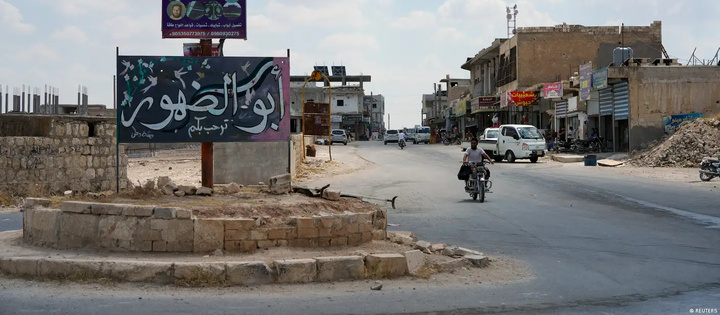
Reuters:
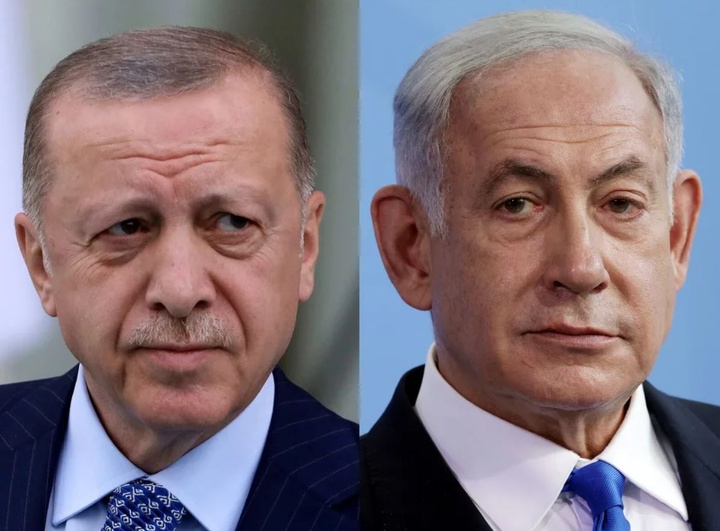
Israel's attack on Syrian air base puts Turkey on the verge of military response
Turkish Service – Tom Barak, the US special representative for Syria, announced Washington's…
-
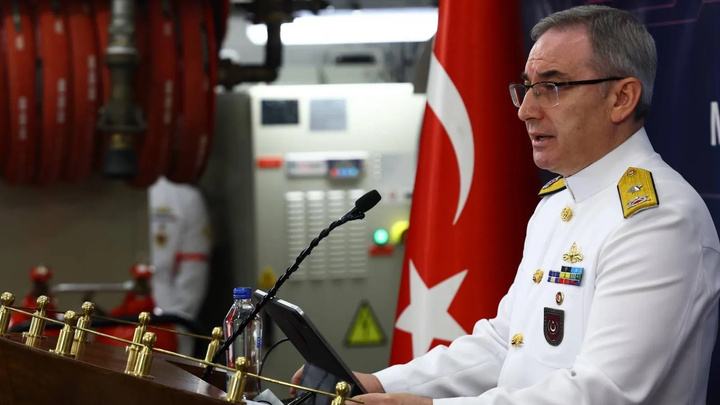
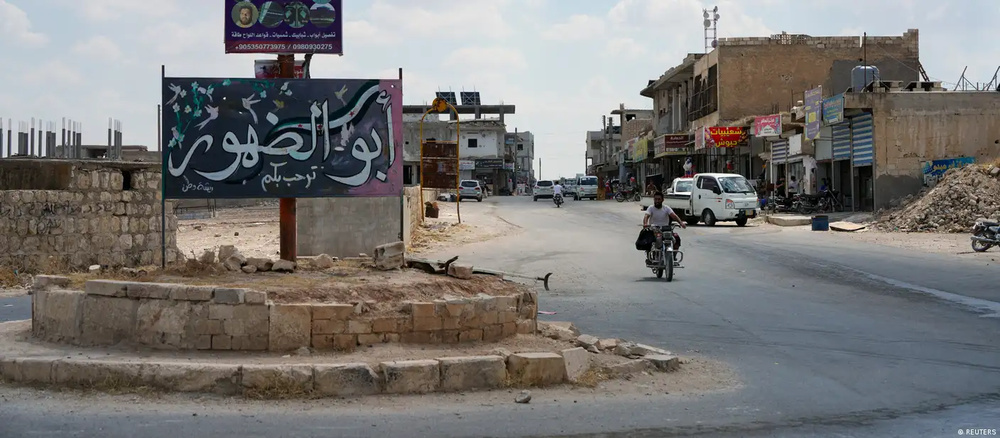
No Turkish military delegation was present at Abu al-Dhuhur airbase during the Israeli attack
Turkish Service – The Turkish Ministry of Defense denied the presence of any military delegation…
-
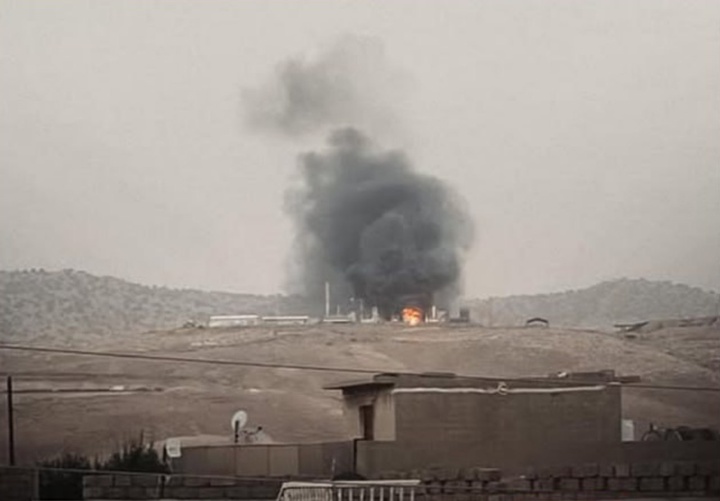
Israeli artillery attack on civilian homes in southern Syria
Syria Service - Israeli forces stationed in southern Syria targeted areas of villages in Daraa…
-
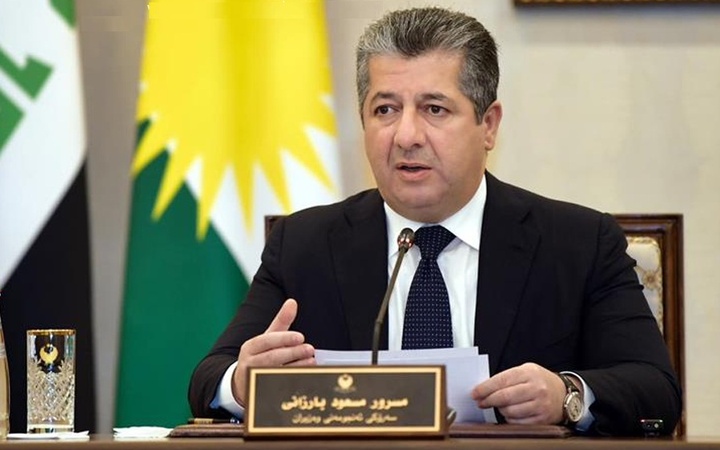
Masrour Barzani:
Iran's drone attack on my office is a direct threat to regional security
Iraq and Kurdistan Region Service - The Prime Minister of the Kurdistan Region announced that…
-
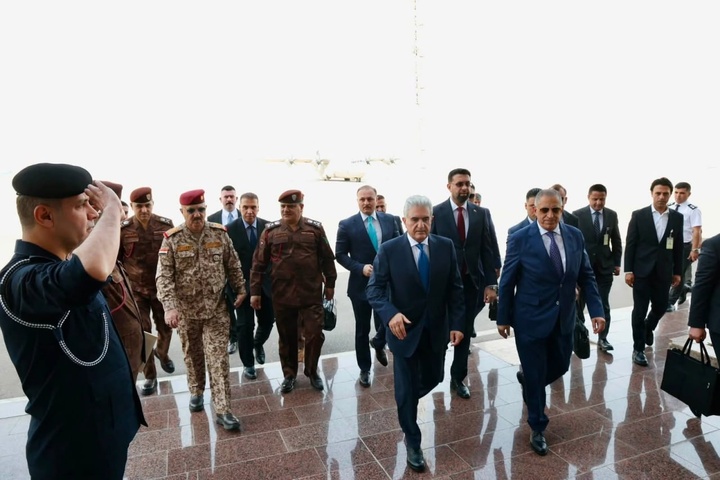
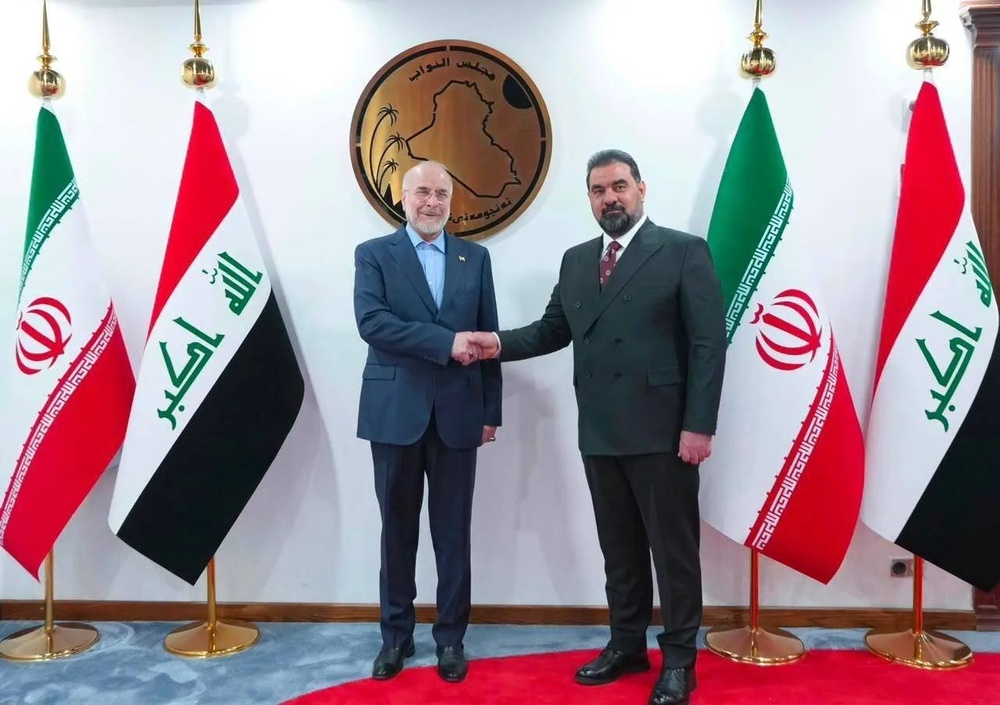
Iraq and the Kurdistan Region Security Meeting in Erbil; Border Control and Implementation of the Agreement with Iran Reviewed
Iraq and the Kurdistan Region Service - The meeting of the High Committee for the Implementation…


اندیشه
-
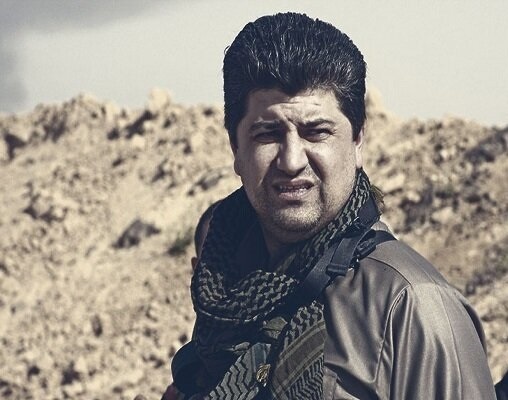
In support of Sheikh Jangi, Hawler and Soleimani in Lahore, there is a lot of discontent
Today's decision is to turn the tide of discontent for the support of Sheikh Jangi and the partners of Hawler and Soleimani in Lahore.
-
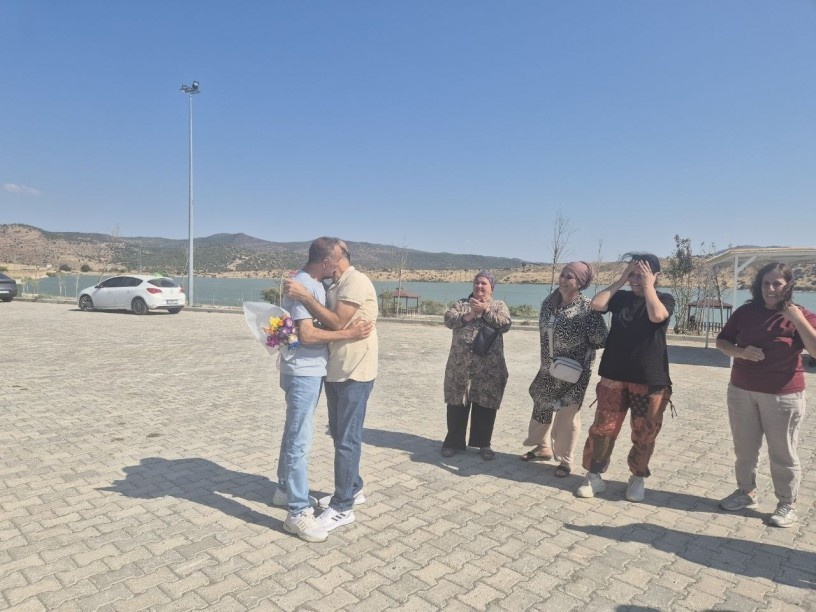
Ömer Akyol released from prison after 30 years
Service Turkey – Ömer Akyol, a member of the PKK, who has been in prison since 1996, was released from prison after completing his 30-year sentence.
-
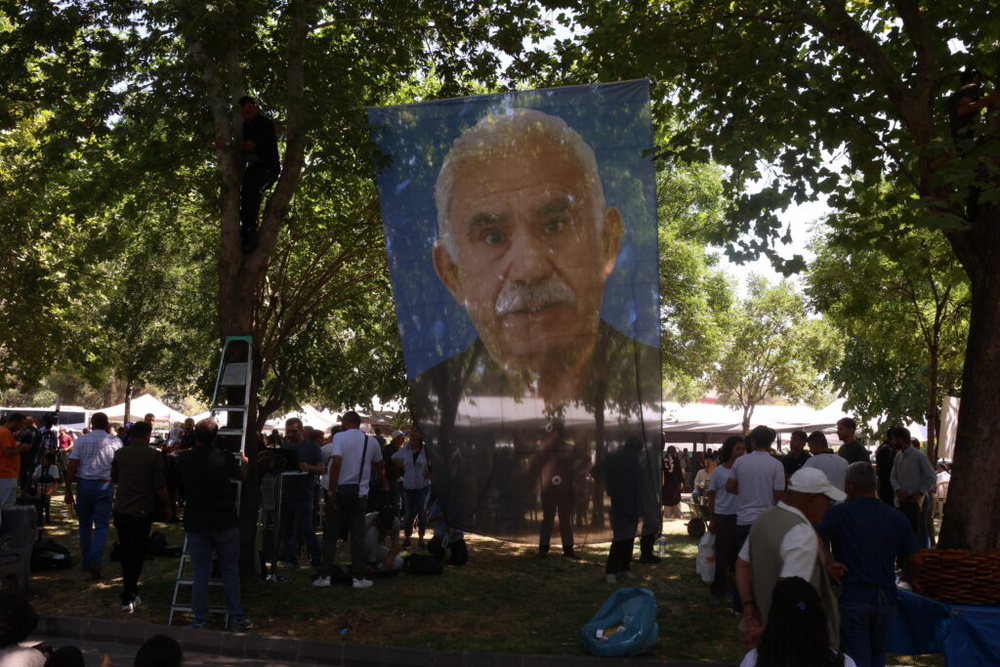
Large images of Öcalan installed at the memorial ceremony for PKK martyrs in Diyarbakir
Service Turkey – On the second day of the memorial ceremony for the fallen PKK members in Diyarbakir's Koşuyolu Park, a group of young people installed a large image of Abdullah Öcalan at the ceremony venue.
تحلیل
-
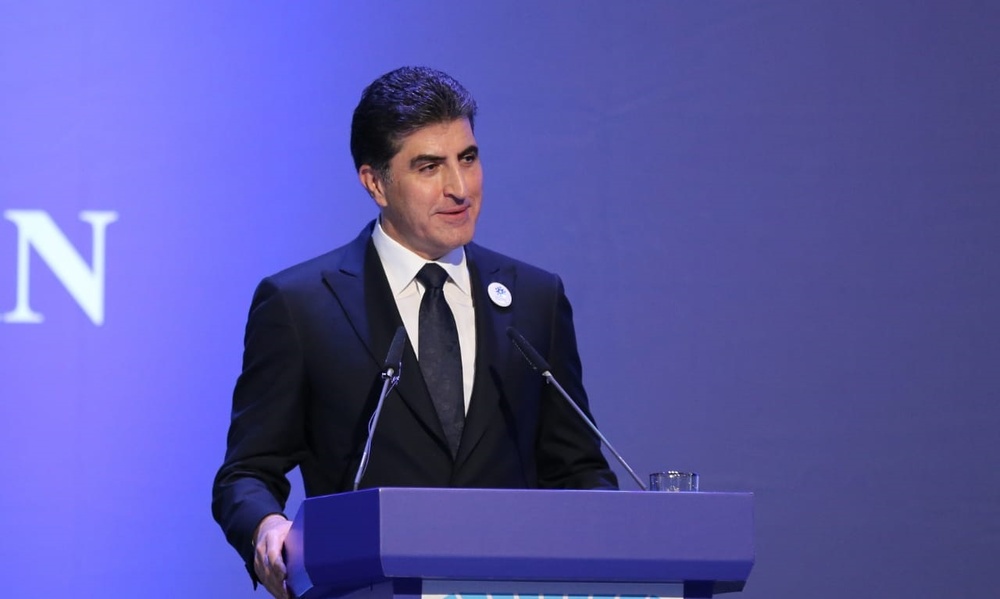
Nechirvan Barzani's Million+ Vote Challenge: The Triumph of a Visionary Leadership / Bakhtiar Sajadi*
In the vibrant tapestry of Middle Eastern politics, few moments resonate as profoundly as the announcement of electoral victories that not only affirm a party's dominance but also underscore the enduring vision of its architects.