

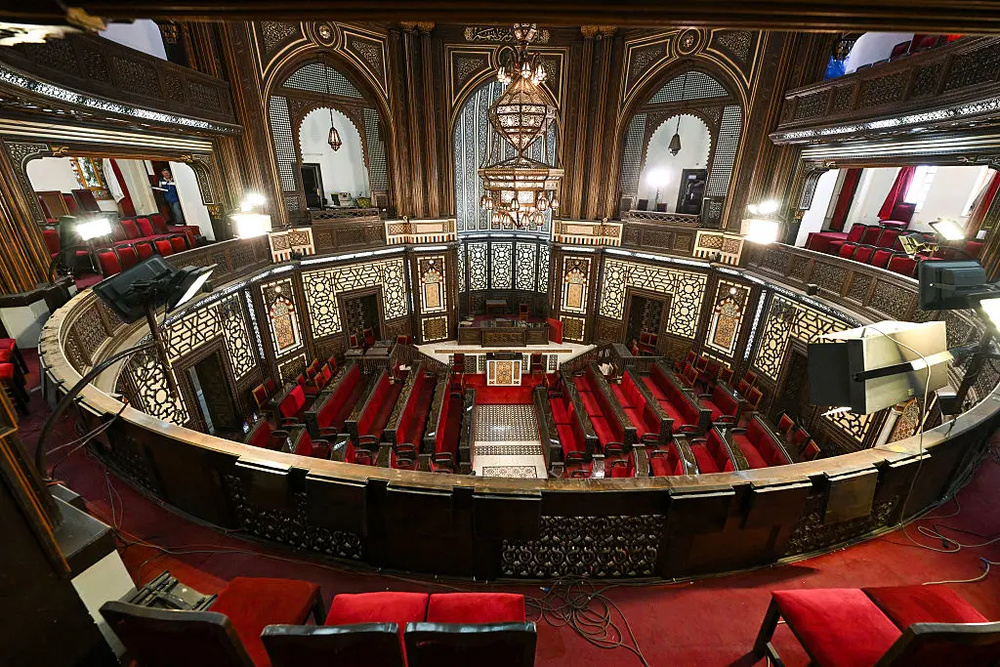
According to Kurdpress, the new report of the "National Solidarity, Fraternity and Democracy Commission" was approved in the Turkish Parliament with 47 votes in favor, two votes against and one abstention. This 60-page report is supposed to be a road map to end the decades-long conflict between the government and the PKK. However, the non-mention of the "Kurdish issue" in the text of the report and the government's emphasis on the goal of "Turkey free from terror" have revealed deep gaps that cast doubt on the prospect of achieving a lasting peace.
The focal point of these disputes was the abstention vote of Turkan Elchi, a representative of the People's Republican Party (CHP) and the wife of Taher Elchi, a well-known human rights lawyer, who was assassinated in Diyarbakir in 2015; A murder that remains unsolved. At the 21st meeting of the commission, he said that the report did not mention any "unsolved murders" and its approval was not compatible with his conscience. He was referring to his wife's case and "Mothers of Saturday"; Families who have been searching for the truth about the disappeared for decades.
In response to this report, the "Union of Kurdistan Communities" (KCK), the umbrella organization under which the Kurdistan Workers' Party operated before announcing its official dissolution last year, declared: "It is impossible to solve an issue that is not mentioned." From the point of view of the critics, instead of focusing on a political solution for the Kurdish issue, the government emphasizes the complete disarmament and stabilization of the republican order with the axis of "brotherhood" between Turks and Kurds; A concept that, according to them, ignores the identity differences and the cultural and political demands of the Kurds.
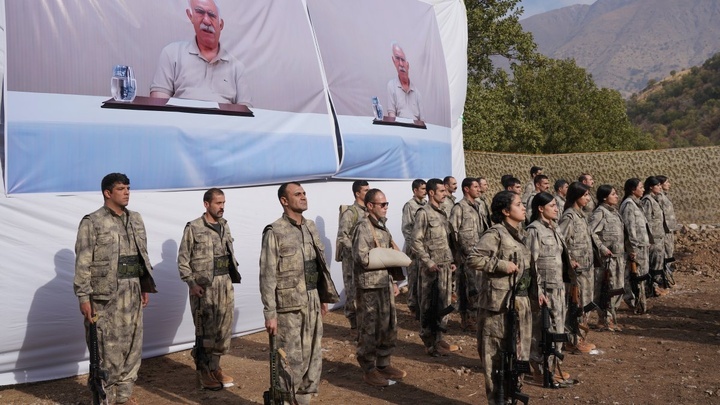
In February last year, Abdullah Ocalan, the imprisoned leader of the Kurdistan Workers' Party, called for the dissolution of the group and the end of the armed struggle. This party also announced its dissolution and symbolically burned some of its weapons in a ceremony in the mountains of northern Iraq. However, the commanders of this group have stated that they reserve the "right to self-defense" and make the full delivery of weapons subject to the resolution of the political roots of the crisis.
The commission's report has conditioned the initiation of legal and policy reforms to the "identification and verification" of the end of the armed threat; In other words, first disarmament, then reforms. Similarly, it is the main point of divergence between the government and the Kurdish movement. While the government insists on creating a legal framework for party members to return to society—without passing an amnesty law—critics say that without political and judicial guarantees, the process could stall or even return to violence.
At the same time, developments in the field have added to the complexity of the situation. Turkish Foreign Minister Hakan Fidan's recent statements about Ankara's focus on Iraq after Syria are, from the point of view of observers, a sign of increased pressure on the Iraqi central government to limit the presence of the Kurdistan Workers' Party in the north of the country. There are also reports of the resumption of air strikes by the Turkish army and the expansion of military infrastructure in the border areas.
In parliament, the People's Democratic Party (DEM Party) ultimately voted in favor of the report, despite strong criticisms of the report—including opposition to the use of the term "terrorist" for the Kurdistan Workers' Party and the need to address the root causes of the crisis. The party has declared that it sees the report as "the beginning of a process" and will try to push it towards real reforms.
On the other hand, the proposal of representatives of the People's Republican Party to include a clause about canceling the expiration of time in the case of unsolved murders, including the case of Taher Elchi, was not accepted. For the victims' families, peace without justice means nothing. From the point of view of many Kurds, a "dignified peace" can only be achieved when both violence ends and judicial accountability and the recognition of political and cultural rights are guaranteed.
In a situation where one path emphasizes immediate disarmament and security stabilization, and the other path emphasizes political reforms and guaranteeing justice, the future of the current process is tied to this question: Is the Turkish government ready to openly recognize the issue that has been avoided for years before demanding full surrender?

Your Comment