Damascus
-
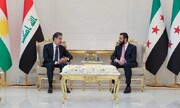
The Objectives of Nechirvan Barzani's Trip to Damascus
World Service- Nechirvan Barzani's trip to Damascus took place in a situation where the gradual withdrawal of the United States, increased security pressures in the region, and developments related to the future of the Syrian Kurdish forces have brought the equations between Erbil and Damascus to a new stage.
-
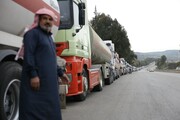
The Future of Trucking Iraqi Oil to Syria
World Service- The daily transfer of hundreds of Iraqi oil shipments by truck to the port of Banias, as Baghdad and Damascus try to revive the Kirkuk-Banias pipeline, could turn an emergency route into part of the region’s permanent energy network.
-

Why is Golani's entry into the Lebanese war still unlikely?
Syria Service - US pressure for Syria to play a greater role in the Hezbollah case has increased speculation about the possibility of Damascus entering the Lebanese war; however, it seems that Syria's internal considerations, regional complexities and discursive challenges still make it unlikely for Ahmed al-Sharaa to directly enter this war.
-
The New Political Approach of the Kurds in Turkey and Syria
World Service - The analysis of the Kurdish Studies Center indicates the formation of a new political paradigm for the Kurds, especially in Turkey and Syria, in which negotiation is not a sign of retreat, but a tool for transforming the social and historical power of the Kurds into political, cultural and institutional rights.
-
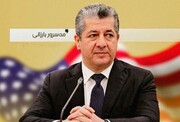
Masrour Barzani:
We have no relations with Israel
Iraq and Kurdistan Region Service- The Prime Minister of the Kurdistan Region announced that we have no relations with Israel and that foreign policy is within the jurisdiction of the federal government.
-
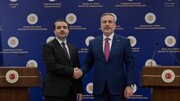
Turkish and Syrian Foreign Ministers Meet in Ankara
Service Turkey – After meeting with Assad Hassan Shaibani, Foreign Minister of the Syrian Interim Government, Turkish Foreign Minister Hakan Fidan considered the Israeli attacks one of the biggest threats to the stability, sovereignty and territorial integrity of Syria.
-
The status of Mazloum Kobani and Ilham Ahmed after the completion of the integration process
Service Jahan-According to Amarji, the commander of the Syrian Democratic Forces is considering leading an inclusive and democratic political movement at the level of Syria instead of accepting a government position in Damascus, and Ilham Ahmed will most likely join the Syrian Foreign Ministry, although his final position has not yet been determined.
-
Kurds still want more concessions from Damascus
World Service - Kurdish language education, local police powers, and the status of commanders are among the most important unresolved demands of the Kurds in negotiations with the central government of Syria.
-
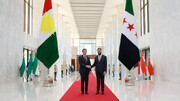
What message did Damascus send to the Kurds by welcoming Nechirvan Barzani?
World Service - National Context analysis shows that Ahmed al-Shara's official welcoming of Nechirvan Barzani is part of Damascus' strategy for the political management of the Kurdish issue, advancing the integration of the Syrian Democratic Forces, and sending a message of coexistence with the Kurdish identity.
-
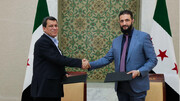
Mazloum Abdi and Ahmed Al-Sharaa meet in Damascus
Syria Service - Mazloum Abdi, the commander-in-chief of the SDF, met with the head of the Syrian interim government in Damascus and discussed the process of integrating the SDF and the autonomous administration into the structure of the government, as well as the issue of education and the status of the Kurdish language.
-
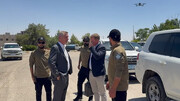
Delegation of Syrian Oil Company and HKN Energy Company Arrives in Qamishlo
Syria Service - A delegation consisting of officials from the Syrian Oil Company and the American company HKN arrived in the city of Qamishlo in Syrian Kurdistan with the aim of visiting the oil and gas facilities in the Rmilan region and examining the process of production activities.
-
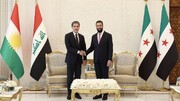
The Impact of Barzani and Al-Shara’s Meeting on the Syrian Kurds’ Case
Service Jahan-According to Al-Monitor, Ahmed Al-Shara’s invitation to Nechirvan Barzani sends a clear message about increasing the role of the Kurdistan Region in the political future of the Syrian Kurds and reducing the monopoly of the Syrian Democratic Forces in this case.
-
Barzani and Mazloum Abdi emphasize accelerating the implementation of the agreement
Syria Service - After meeting with the head of the interim Syrian government, the head of the Iraqi Kurdistan Region discussed the results of his trip to Damascus and the process of implementing the January 29 agreement in a phone call with the commander-in-chief of the SDF; an agreement that both sides considered an important step for integrating the SDF and the autonomous administration into the structure of the Syrian government and strengthening the stability and security of the country.
-
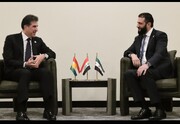
Al-Sharaa, Nechirvan Barzani and Mazloum Kobani meet to discuss Kurdish issues
World Service - Charles Lister, an expert on Syrian issues, announced the holding of a trilateral meeting in Damascus between Syrian President Ahmed Al-Sharaa, Nechirvan Barzani, President of the Iraqi Kurdistan Region, and Mazloum Abdi, Commander of the Syrian Democratic Forces (SDF), which is expected to focus on the future of the Kurdish issue and the process of Damascus' talks with the Syrian Democratic Forces.
-
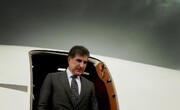
Kurdistan Region President Arrives in Damascus
Iraq and Kurdistan Region Service- Nechirvan Barzani, President of the Kurdistan Region of Iraq, arrived in Damascus on an official visit at the invitation of Syrian President Ahmed Al-Sharaa to hold a bilateral meeting on Syria's relations with Iraq and the Kurdistan Region, ways to expand joint cooperation, and the latest developments in the region.
-
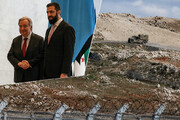
The continuation of the military movements of the Zionist regime in Daraa and Quneitra, coinciding with the visit of the UN Secretary-General to Syria
Syria Service - Coinciding with the visit of the UN Secretary-General Antonio Guterres to Syria, the Zionist regime forces established a new checkpoint by entering several villages in the outskirts of Daraa province, and local sources reported shelling of agricultural areas in Quneitra province.
-
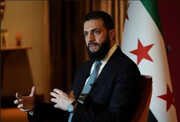
Ahmed al-Shara:
Damascus has no plans for military intervention in Lebanon
Syria Service - "Ahmed al-Shara", the head of the interim Syrian government, announced that Damascus is trying to reach security agreements with Israel through some countries, and at the same time emphasized that the Syrian government has no intention of military intervention in Lebanon.
-
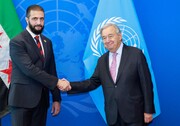
UN Secretary-General visits Syria after 17 years
Syria Service - UN Secretary-General Antonio Guterres arrived in Damascus on the first visit by a UN Secretary-General to Syria since 2009. Emphasizing the UN's support for the country's political transition, he called on the international community to support the Syrian people at this "decisive moment."
-
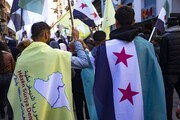
different accounts of the integration of the Kurdish structure into the Damascus government
World Service- While the Syrian ambassador described the integration process as “miraculous”, the UN has announced that negotiations on the most important issues between Damascus and the Syrian Democratic Forces are still ongoing.
-
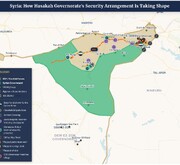
Damascus' strategy to consolidate influence in the Kurdish areas of Syria
World Service - The formation of the temporary executive office of Hasakah province, with the presence of most figures close to the Syrian Democratic Forces, at first glance seems to benefit these forces, but an examination of the developments shows that Damascus, by handing over some administrative positions, is gradually consolidating its security, judicial, and institutional influence in northeastern Syria; a strategy that could ultimately lead to the complete integration of the autonomous structures into the central government.
-
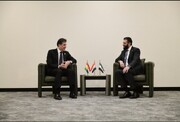
Damascus and Erbil on the Path to Strengthening Political Relations
World Service- The Syrian government, continuing to expand relations with the Iraqi Kurdistan Region, is preparing to open its consulate in Erbil. This move, along with the increasing influence of movements close to the Kurdistan Democratic Party of Iraq in the new political structure of Syria and the decreasing role of the Democratic Union Party and the Syrian Democratic Forces, indicates a change in the balance of power among the Syrian Kurds.
-
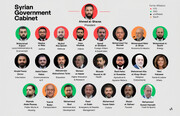
Power Consolidation in the Hands of Ahmed Al-Shara
World Service - From appointing ministers and judges to managing economic and security institutions, the majority of powers in the new Syria have been vested in the president, and this has raised concerns about the future of democracy.
-
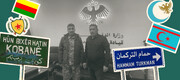
Minority Coalition; New Strategy of Syrian Kurds and Turkmens
World Service - The reduction of past differences and increasing concerns about the concentration of power in Damascus have led Syrian Kurds and Turkmens to political cooperation and the creation of a common front to defend minority rights.
-
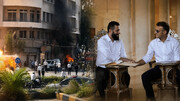
Pezhdar Altan:
Syria Has Become an Arena for Covert Rivalry Between Turkey, the US, and Israel
Syria Service – In a commentary examining recent developments in Syria—including Emmanuel Macron’s visit to Damascus and the explosions that coincided with it—Kurdish journalist Pezhdar Altan analyzed the security and intelligence rivalries among Turkey, the US, Israel, and other regional actors, while also addressing claims regarding Ankara’s role in these events.
-
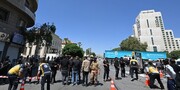
Messages and Implications of the Damascus Bombing Coinciding with Macron’s Visit
World Service – In an analysis of the explosions that coincided with Emmanuel Macron’s visit to Damascus, the German Center for Kurdish Studies views these attacks not so much as military operations, but rather as an attempt to convey a political and security-related message; the aim is to undermine the ability of Ahmad al-Shara’s transitional government to ensure security and to cast doubt on the future of investment and the normalization of relations between Syria and the West.
-

Trump Notifies Congress of Plan to Remove Syria from State Sponsors of Terrorism List
Syria Desk – The U.S. President has initiated the legal process to remove Syria from the list of state sponsors of terrorism by formally notifying Congress of his decision; if granted final approval following a 45-day review period, this move could mark a turning point in Washington's policy toward Damascus and the process of normalizing relations between the two nations.
-
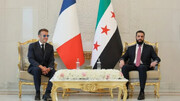
Macron and Al-Sharaa Emphasize Expanding Economic Cooperation
Syria Desk – During a meeting in Damascus with the head of the Syrian interim government, the French President emphasized the expansion of economic cooperation, the signing of joint agreements, and France's participation in Syria's reconstruction process. The two sides announced the expansion of cooperation in the energy, transport, infrastructure, and banking sectors, as well as the involvement of Persian Gulf states in joint projects.
-
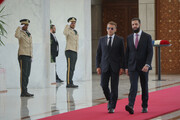
What benefit does Macron's trip to Syria hold for the Kurds?
World Service – Contrary to the expectations of some Kurdish circles, Emmanuel Macron's visit to Damascus is unlikely to mark a turning point in French support for Syrian Kurds. An analysis by *National Context* indicates that diminishing Western influence, Turkey's prominent role, and shifting European priorities have tied Paris's hands regarding practical support for the Kurds.
-
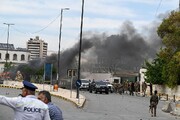
Damascus Explosions Coincide with Macron’s Visit; Security Measures Tightened
Syria Desk – At least two explosions in central Damascus, occurring simultaneously with French President Emmanuel Macron’s visit to Syria, led to a tightening of security measures in the capital; however, his meeting with Ahmad al-Sharaa proceeded as scheduled.
-
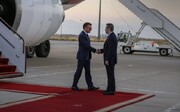
French President Arrives in Damascus
Syria Desk – Emmanuel Macron arrived in Damascus—marking the first visit by a French president to Syria since 2008—and was welcomed by the Syrian Foreign Minister.