

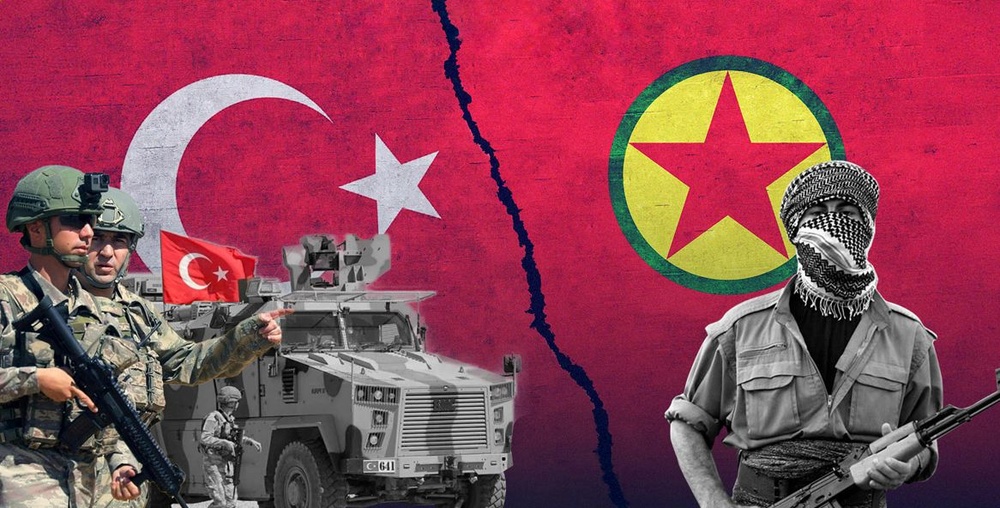
According to Kurdpress, in the mid-1980s, with the beginning of the armed activity of the Turkish Kurdistan Workers' Party (PKK), the Turkish government decided to take control of the villages by creating local militia forces. These forces, called "Village Guards", were supposed to be temporary and protect the villages against PKK attacks. But this institution became an enduring and widespread system that redefined land ownership, resources, and social order.
Legal and historical framework
The Kurdish regions of Turkey have been under exceptional management for a long time. From the 1920s to the period of emergency rule between 1987 and 2002, a form of exceptional and military rule was common in the region. "Village guards" were formed in this framework and quickly became active in surveillance, information gathering and border operations.
Clearing and moving the population
With the beginning of the PKK rebellion, the villages played a vital role in supporting this group. In the early 1990s, the government countered with the "Field Domination" policy, and more than 3,000 villages were evacuated, forcing millions to migrate. "Village guardians" played a key role in the implementation of these policies with the knowledge of their local situation.
Changing social hierarchy
Membership in the village guards allowed the poorest members to improve their social status and gain access to limited resources. War became a means of social mobilization, but the personal and social costs were high as many were killed and wounded, and defenders were scorned by neighbors as traitors.
Social and economic consequences
The system of village guards is not only a security tool, but also a pillar of social, economic and political order in the Kurdish regions of Türkiye. This system has deepened the divisions within the society and turned disputes over land and resources into lasting political enmities.
The system of village guards turned from a tool to deal with rebellion into an institution that has redefined power relations, ownership of land and resources, and social order. This experience shows that war is not only violence, but a process that fundamentally changes life, economy and social relations, and its effects continue for years after the end of the conflict.



Your Comment