
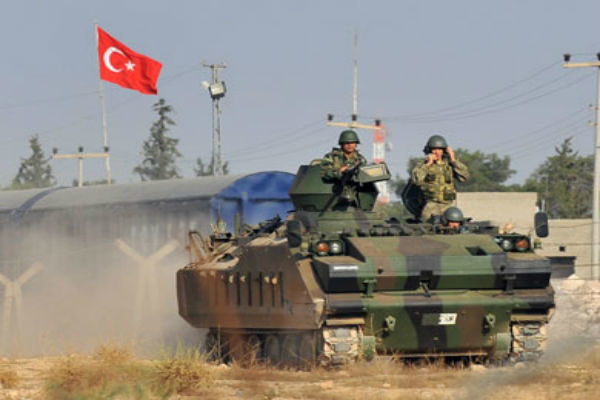
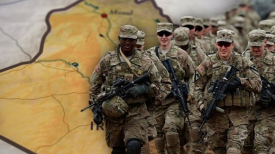
According to Kurdpress, despite the agreement to integrate the Syrian Kurdish forces into the new Syrian army and the progress of the peace process with the PKK, Turkey still insists on maintaining its military presence in Syria and Iraq. Examining developments in the field and official positions show that this decision is not tactical and temporary, but based on a multi-layered strategic calculation.
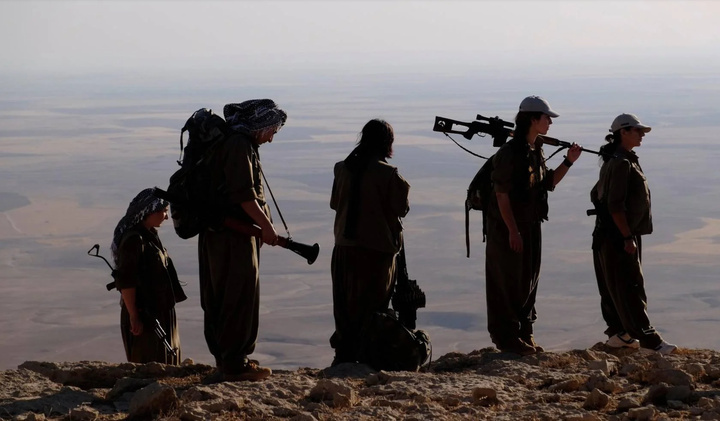
At a cross-sectional level, the Kurdish issue is still considered unresolved in the eyes of Turkish security institutions. Although the PKK has renounced the armed struggle in principle and symbolic actions such as burning weapons or leaving the Zap region have been carried out, Ankara insists that the disarmament must be complete, verifiable and irreversible. Until the PKK's remaining operational infrastructure in northern Iraq is destroyed, Türkiye is unlikely to retreat from its advanced positions.
On a larger level, influencing the order after the fall of Bashar al-Assad is one of the main motivations for Türkiye's presence in Syria. Since the inauguration of the transitional government headed by Ahmed al-Shora in late 2024, Ankara considers itself one of the key players in Syria's political transition. The deployment of Turkish forces is considered a pressure lever in negotiations related to defense coordination, border security, reconstruction contracts, trade and the status of Kurdish regions. In practice, the military presence has become a tool to shape the new security architecture of Syria.
In Iraq, the equation is different but equally strategic. Türkiye's cross-border operations in northern Iraq date back to the 1990s and have been deepened in recent years with the establishment of fixed bases in the mountainous regions of the Kurdistan region, especially in Dohuk province. These bases provide the possibility of intelligence monitoring, creation of logistic corridors and formation of security belts against PKK movements. Even at the same time as the peace talks with Abdullah Ocalan, Turkish military planners consider an early withdrawal risky.
Inside Türkiye, political considerations are still effective. The Kurdish issue has always cast a shadow on Ankara's foreign and security policy. Even in the period of political dialogue, it is important to maintain the leverage of military pressure abroad to avoid sending a signal of weakness to nationalist bases. The deployment of troops abroad is interpreted as a sign of the continuation of the government's security initiative.
In sum, Turkey's military presence in Syria and Iraq is based on five main axes: containment and engineering of the PKK issue, influencing the political and security arrangements of the Kurdish regions, playing a role in the reconstruction and new order of Syria, participation in the regional balance, and managing internal consequences.
Turkey's withdrawal would require the fulfillment of three simultaneous conditions: the complete and verifiable disarmament of the PKK, the establishment of a powerful central government in Damascus with credible border guarantees, and the formation of a regional framework to reduce tensions among foreign actors. Currently, none of these conditions have been fully met.
Your Comment