

According to Khabargazazi, based on the information published from Damascus, the limited manipulation of the cabinet is designed with the aim of reducing the concentration of power in the hands of Ahmed al-Shora and reviving the post of prime minister. In the meantime, the case of the Kurds is considered one of the main axes of these reforms; Because any real division of power, without a precise definition of their share and role at the national level, will face the challenge of legitimacy.
Promoting the presence of Kurds in foreign policy
Reports indicate that a Kurdish figure will be appointed to the position of deputy foreign minister and it is possible that a senior position in the parliament will also be given to Kurds. The name of Elham Ahmad, one of the leading figures of Kurdish diplomacy, has been proposed as a serious option. This appointment, if realized, will move the Kurds from being a purely field-security actor to the level of participation in the foreign policy of the central government.
After participating in the Munich security meeting together with the Syrian foreign minister, the Kurds have demanded the position of the foreign ministry and at least two other ministries. However, estimates show that they will probably be assigned seven posts at the ministerial and administrative levels, which is less than the requested ceiling but beyond their previous position in the official structure of Damascus. They will also maintain the governorate of Haskeh.
Establishing Kurdish rights in the constitution
One of the most important aspects of the changes is the inclusion of the executive order of January 16 on the recognition of Kurdish rights in the text of the new constitution. If approved, this measure will be the first official recognition of Kurds' national rights in the framework of the Syrian government charter and can provide a legal basis for their sustainable participation in power.
Such reform has not only a symbolic aspect, but it can pave the way for administrative decentralization, recognition of cultural identity and structural participation in national institutions.
Linking the Kurdish case with the balance of power in Damascus
The return of the post of prime minister and handing over part of the presidential powers is apparently a response to criticisms about the concentration of power; But in practice, it creates a new bargaining opportunity for the Kurds. If the new prime minister has real authority in running the government, the composition of the cabinet and the share of minorities will become doubly important.
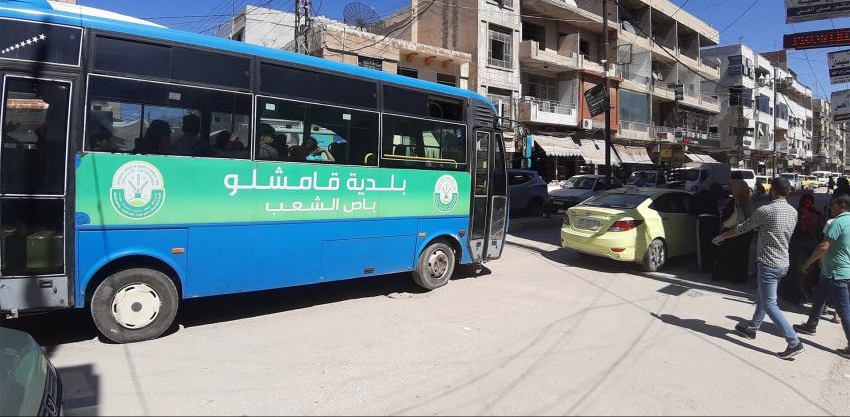
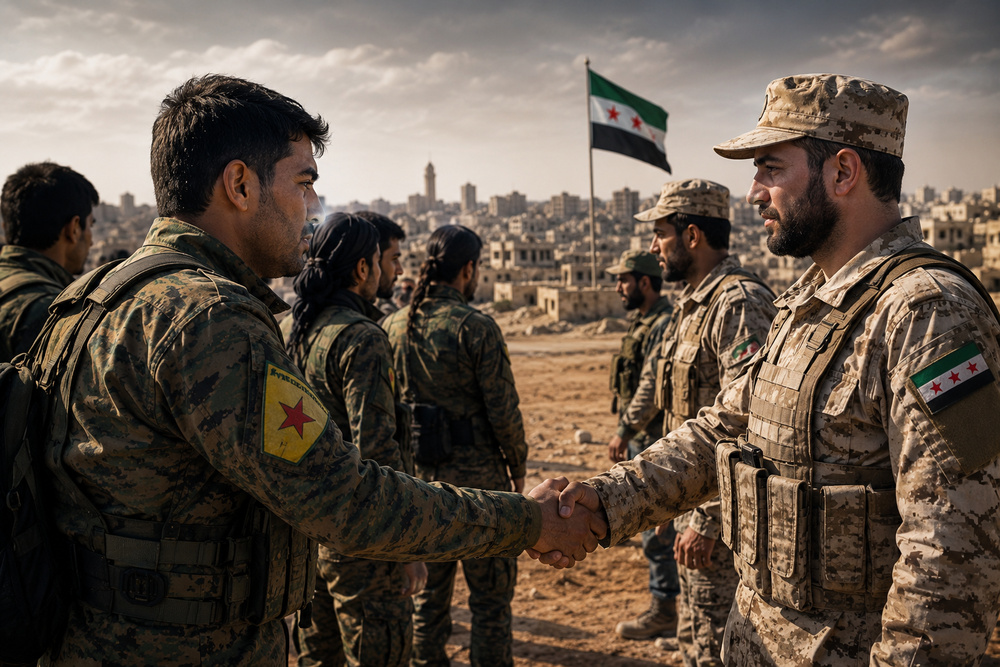
In this framework, the role of the Kurds is promoted from an autonomous force in the northeast of the country to a potential partner in the engineering of a new political order. This development is conditional on the implementation of the recent security agreements, according to which the Kurdish forces must withdraw from some urban areas such as Haskeh and Qamishlo so that the government forces can be deployed; An agreement that the level of adherence will directly affect the level of mutual trust.
Regional influence and Sweida's equation
The role of the Kurds is not limited to the domestic sphere. In the Suweida and Druze tensions case, they are expected to play a role as mediators or facilitators of the reintegration of this region into the central government structure. This function strengthens their position as a national actor - not just an ethnic one.
The upcoming reorganization of the Syrian government, if it is accompanied by a real division of powers and the establishment of rights in the constitution, can move the Kurds from the status of "marginal actor with field influence" to "an official partner in the power structure". However, the realization of this scenario depends on three factors.
1.The amount of real powers of the prime minister's office compared to the presidency.
2.practical implementation of security commitments between Damascus and Kurdish forces.
3.The reaction of the social base of the government to the increase in the share of Kurds in the central structure.
If these conditions are fulfilled, changing the structure of the new Syrian government can be the beginning of a phase of the gradual integration of the Kurds into the national political order; A stage whose consequences will be significant beyond the borders of Syria.

Your Comment