

According to Kurdpress, quoted by AFP, the recent agreement between the Syrian Kurdish forces and the Damascus government has practically ended the period of self-government of the Kurds in northeastern Syria. The agreement was reached under the military pressure of the central government and in the shadow of the withdrawal of American support, and now the future of the military and political structures and especially the Kurdish women's units is facing uncertainty.
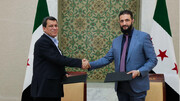
According to the agreement, which was signed last month, Kurdish-led forces must hand over oil fields, border crossings and an airport to the government, and their forces will be integrated into the Syrian army in the form of four brigades. The fate of women's defense units is not mentioned in the text of the agreement; An issue that has become one of the main points of dispute.
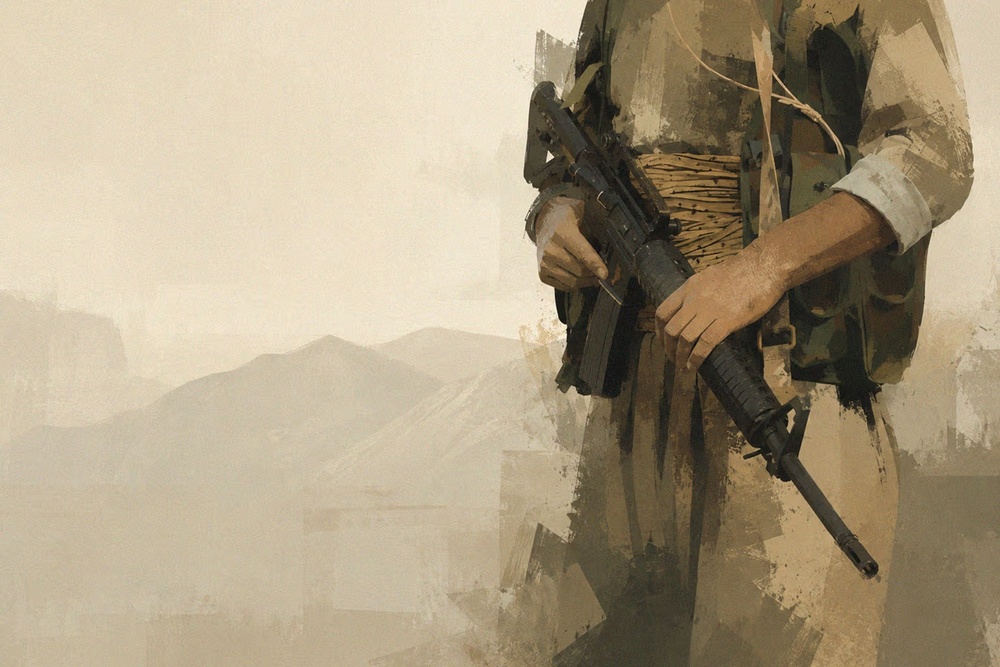
"We paid a heavy price," said Roksan Mohammad, the spokesperson of the Women's Protection Units (YPJ), at a military base in northeastern Syria, recalling the participation of this force in the fight against ISIS. We gave thousands of martyrs, including many of my close comrades. This all-female force is part of the structure of the Syrian Democratic Forces (SDF), which, with the support of the US-led international coalition, played a pivotal role in the territorial defeat of ISIS in 2019.
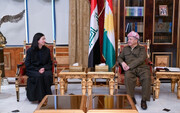
But with the change of political balances in Damascus and the closeness of Washington to the new Syrian government headed by Ahmed al-Shara - who ousted Bashar al-Assad in 2024 - the Kurds practically lost their main support. According to a well-informed source, Tom Bark, the US special representative for Syrian affairs, has stated in a meeting with Mazloum Abdi in the Kurdistan Region of Iraq that the US "will not fire a single bullet against Damascus for the Kurds."
Analysts say that one of the main knots is the different understanding of the concept of "integration" by both sides. Metlu Chuiroglu, a researcher of Kurdish issues, believes that Damascus considers integration to mean full absorption into the state structure, while the Kurds interpret it as participation in the new government while preserving their identity and political priorities. According to him, the issue of self-governance and the political position of women in the Kurdish administrative system is one of the most important points of disagreement. In the administrative structure of the Kurdish regions, the system of co-chairmanship is in place and every official position must have a female co-chairman.
Also, the military developments weakened the position of the Kurds. In January, after months of deadlocked negotiations, government forces began an advance. According to sources close to Damascus, the government coordinated with Arab tribes in SDF-controlled areas before the attack to avoid a large-scale conflict. With the sudden departure of the Arab forces - which made up about half of the SDF's 100,000 - the coalition retreated from Raqqa and Deir ez-Zor provinces without much resistance and returned to predominantly Kurdish areas.
In this way, the agreement of January 30 and the loss of large areas have practically dimmed the prospect of establishing a federal or decentralized system in Syria for the Kurds. Some analysts consider the US government's decision not to intervene as the determining factor in this process.
However, in a symbolic move, Damascus issued a decree on Kurdish national rights and recognized the Kurdish language for the first time since Syria's independence in 1946. This decision was taken while the Kurds - about two million of Syria's population of 20 million - faced cultural and political restrictions for decades under the rule of the Assad family.
Hossein Al-Eisa, an employee of the Kurdish administration's education department, says that the main concern now is the future of education in Kurdish: "Our children have been studying in their mother tongue for years. We don't know what will happen to them."
Roksan Mohammad emphasized the continuation of political resistance and said: "Our struggle; "It will continue, especially against a government that does not recognize the position of women."
All in all, the Syrian Kurds, who had managed to create a semi-autonomous structure during the 13-year civil war, are now faced with a new reality: the return of the authority of the central government and the fading of the dream of self-government.
Your Comment