

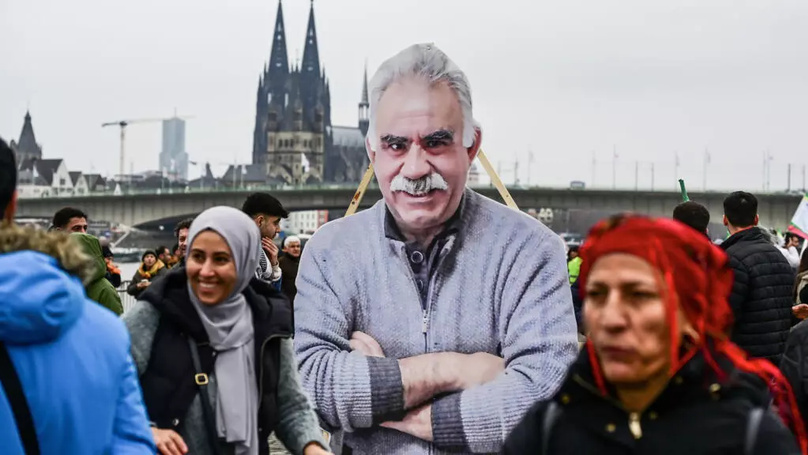
According to KurdPress, Turkey may be on the verge of ending a bloody conflict that has lasted for more than four decades. The conflict began in 1984 with the start of the armed insurgency of the Kurdistan Workers' Party (PKK), and over the years has left more than 40,000 dead and millions displaced. Now, following a call by imprisoned PKK leader Abdullah Öcalan for the disarmament and dissolution of the group, the Turkish parliament has passed a law that paves the way for the disarmament, dissolution of the PKK.The PKK and its former members’ return to civilian life are being smoothed out. However, while this development is seen by many as a historic turning point, there are still serious uncertainties about the future of this process and the fate of Öcalan and other senior PKK figures.
The Turkish parliament has overwhelmingly approved the legal framework for the process of disarming and dissolving the PKK and returning a large part of its members to civilian life. However, the new law still does not include the fate of Abdullah Öcalan and some senior PKK figures, an issue that could become a sensitive issue in the later stages of the peace process.
A Kurdish expert in Turkey believes that the law could make an important contribution to ending one of the longest chapters of violence in Turkey’s modern history.According to him, the armed conflict has been a major part of the Kurdish issue for the past 50 years and now this chapter seems to be coming to an end.
Estimates suggest that if the necessary guarantees are established for the security of former PKK members, some 15,000 of them who are in European countries, Syria and Iraq or in Turkish prisons could be released or have the opportunity to return to Turkey.
Istanbul, the city with the largest Kurdish population in Turkey, became a haven in the 1990s for large numbers of Kurds fleeing violence in Kurdish-populated areas. At the height of the conflict, the Turkish army carried out extensive operations in rural areas, and strict security policies and the destruction of villages led to a large wave of population displacement.Today, in the Kurdish neighborhoods of Istanbul, the reaction to the new process is a mix of hope and distrust. Some Kurds see it as a historic opportunity to end the conflict and achieve political and cultural rights. One Kurdish citizen says that the Kurdish community wants to gain the place it deserves in the peace process and sees the recent law as just the beginning. In his view, a more comprehensive law must be passed to achieve a lasting solution.
In contrast, a group of Kurds are skeptical of the government’s promises. One Kurdish citizen, citing the decades-long delay in recognizing Kurdish rights, says that he does not trust the new process because he believes that political agreements cannot guarantee their rights until the Kurds have a clear legal status.
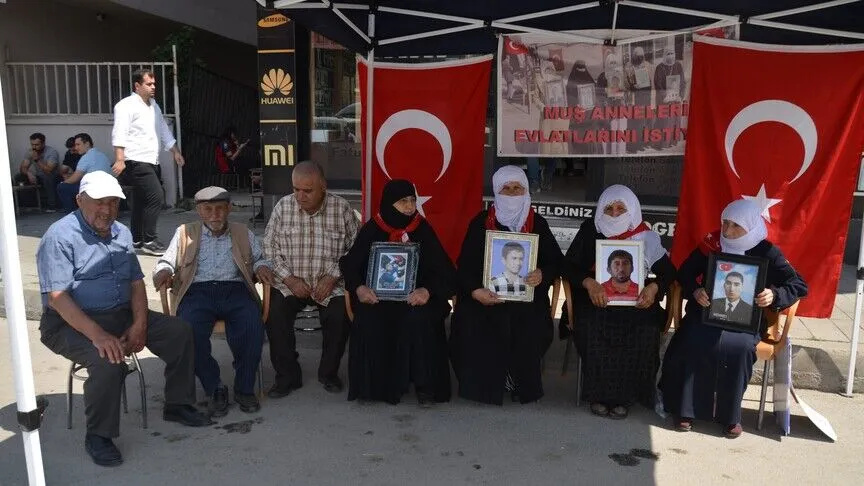
The reaction of Turkish society is also not uniform.Some citizens see an end to the conflict as a necessary step, hoping that the end of the armed struggle will relieve society of the economic and human costs of decades of war. Opponents of the process, on the other hand, believe that the PKK has already been defeated and that granting privileges to its members would be tantamount to rewarding violence.
The human cost of the conflict has been enormous. More than 40,000 people have been killed during the decades of conflict and more than three million have been displaced at various points. This history of violence has led to deep distrust between both sides, and the successful implementation of the peace process requires broad political and legal guarantees.
Turkey’s main parties have supported the peace process, but hard-line nationalist groups remain opposed to it. They believe that the PKKThe PKK has effectively failed and the current process should not lead to political concessions to the group. In such a situation, the timing of the implementation of the law could be one of the most important factors determining the fate of the new process.
According to a Turkey expert at the Brookings Institution, the new law foresees a gradual process that begins with the adoption of the necessary regulations, after which Turkish authorities must confirm that the PKK has actually laid down its arms. In his view, if this process is too long, political and social support for the return of former PKK members will decrease, and a large part of Turkish society may continue to consider them terrorists. Therefore, the speed and manner of implementation of the next steps are of fundamental importance to maintain public support for the peace process.
However, the issue is not limited to the disarmament of the PKK.Pressure continues on the Turkish government to address long-standing Kurdish demands, from recognizing Kurdish cultural and linguistic rights to allowing Kurdish language teaching in schools and increasing the powers of local governments.
Critics of the government also point to the state of freedom of expression, restrictions on independent media and legal pressure on opposition parties. The question on social media is how PKK members can be released as part of the peace process, while political critics of the government remain in prison and opposition parties face legal cases.
Kurdish analysts warn that disarmament should not become the sole focus of the peace process. They say that when the current process began, disarmament was only one of the issues on the agenda, alongside democratization and resolving the issue of Kurdish rights.If the Turkish government focuses solely on ending the armed struggle and ignores the other two issues, it could raise doubts among both the Kurds and a section of Turkish society about the true goals of the process.
From this perspective, the new law should be seen more as the beginning of a long process than as the end of the matter. Its success will depend on whether the Turkish government is willing to pursue broader political and legal reforms in addition to disarming and dismantling the PKK.
Recep Tayyip Erdogan also faces a difficult political balance in this process. The success of the peace process could be electorally important for him in the 2028 elections and attract the support of a significant part of the Kurdish voters. However, granting cultural and political privileges to the Kurds may reduce some of the support for the government from nationalist movements.On the other hand, easing pressure on political opponents could also come at a cost to the government, especially as the Turkish opposition has become a serious contender in the elections.
In short, Turkey now faces a rare opportunity to end one of the bloodiest conflicts in its modern history. Öcalan’s call, the declaration of the dissolution of the PKK, and the adoption of a legal framework for the disarmament and return of former members of the group could mark the beginning of a new phase. But the real end to the conflict will not be achieved by simply handing over weapons and returning former PKK fighters; the real question is whether the Turkish government can simultaneously pave the way for democratic reforms, guaranteeing the cultural and political rights of the Kurds, and building trust between the two sides.For this reason, although the current process is considered one of the most serious opportunities for reconciliation and an end to violence in Turkey in recent decades, its final outcome cannot yet be said with certainty. The main test from now on will not be the passage of the law, but its implementation and the government's decision on the next stage of the peace process.
Source: World Magazine

Your Comment