PKK forces
-
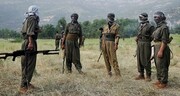
Investigating the Rumor of the PKK’s Permanent Establishment in Halabja
World Service- Halabja, a city that is linked by the memory of the 1988 chemical disaster, Kurdish identity and its strategic location, has once again been at the center of security attention. In an analysis of reports on the recent movements of the PKK in this region, Dr. Donya Bashul says that the importance of Halabja goes beyond a geographical point and that it should be examined within the framework of new developments in Kurdistan and the future role of the PKK.
-

Can PKK members return home?
World Service - As Turkey approaches the adoption of the Peace Framework Law, Amarci magazine wrote in an analysis that the end of the conflict will be meaningful when the return of PKK forces is accompanied by security, dignity and the protection of the law.
-
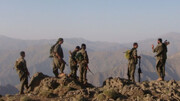
Eliza Marcus:
The climate of Kurdistan is no longer the safe haven of the 1990s for the PKK
World Service-Marcus believes that the changing climate conditions of Iraqi Kurdistan and its transformation into an established political structure have limited the PKK's space for activity and have played a role in the group's decision to move towards peace.
-
Family of Deceased PKK Member Denied Information on Burial Site
Turkey Desk – The Public Prosecutor's Office in the Lice district of Diyarbakır province has rejected a request to investigate the burial site of "Meqdad Erkek," a deceased PKK member. His family, seeking to identify the burial location and have their son's remains handed over to them, has announced plans to pursue the case through both domestic and international legal channels.
-
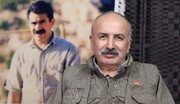
Mustafa Karasu:
Being Kurdish Remains Illegal in Turkey
Turkey Desk – Mustafa Karasu, a member of the KCK Executive Council, criticized the lack of clarity regarding the drafting of the "framework law" and the absence of meetings with Abdullah Öcalan since May. He stated that resolving the Kurdish issue cannot be achieved solely through disarmament or the withdrawal of forces; rather, the existence of the Kurds must be legally and constitutionally recognized.
-
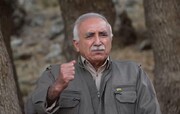
Murat Karayılan:
The Turkish government must not categorize PKK forces into "criminals" and "non-criminals."
Turkey Desk – Senior PKK commander Murat Karayılan rejected the classification of guerrilla forces into "criminals" and "non-criminals" and called for the establishment of a "Truth and Justice Commission," emphasizing that an impartial examination of all past violence is a prerequisite for advancing the peace process and resolving the Kurdish issue.
-
PKK law; Kurds and Türkiye's peace deadlock
World Service - Despite the official approval of Recep Tayyip Erdogan regarding the formulation of a special law for the dissolution of the PKK, the dispute over the time of its implementation, the amnesty scope and the fate of Abdullah Ocalan has brought the peace process between the Turkish government and the Kurdish movement to a sensitive and confusing stage.