
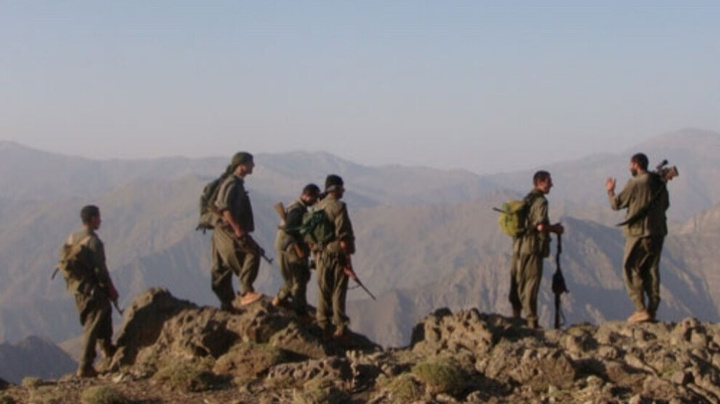
According to KurdPress, Eliza Marcus, an American journalist and researcher and author of the book Blood and Faith, in an interview with Perspective magazine, considered the new peace process between Turkey and the Kurdistan Workers' Party (PKK) different from all previous efforts and emphasized that this time the initiative has been started by Abdullah Ocalan.
Marcus believes that the most important difference between the current process and past negotiations is that Ocalan demanded an end to the war and the PKK to lay down its arms before receiving any specific guarantees from the Turkish government.According to him, while contacts and talks had been ongoing before, after the announcement of the end of the armed struggle, the two sides have effectively entered a phase in which efforts to reach an agreement appear more serious.
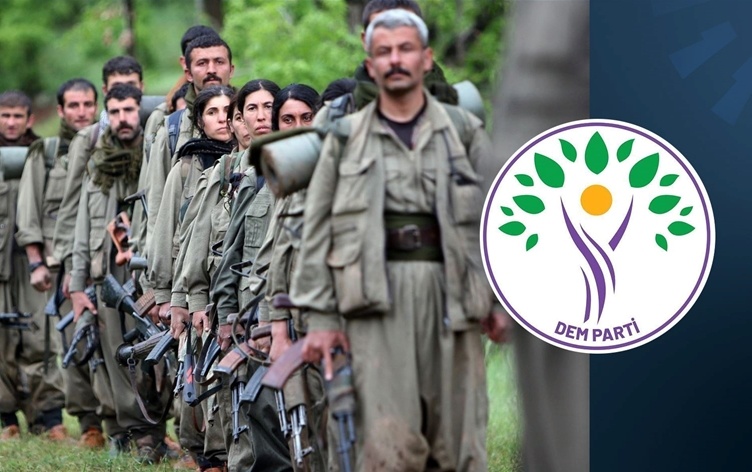
The researcher considers two main factors to be effective in Öcalan’s decision to embark on this path. First, the shift in the military balance to the detriment of the PKK. According to him, the advancement of Turkish military technologies in the past decade has severely reduced the group’s operational capacity and pushed it back from most of the southeastern regions of Turkey. As a result, the main part of the fighting has shifted to the mountains of the Iraqi Kurdistan Region, and even there, PKK forces have been forced to operate mainly in secret. In Marcus’s view, this situation has increased Ankara’s bargaining power and allowed the Turkish government to demand disarmament before any political agreement.The second factor, he believes, was the geopolitical changes in the region. Marcus says that the Iraqi Kurdistan Region is no longer a suitable area for the establishment of PKK bases, as it was in the 1980s and 1990s, but has become an internationally recognized political structure. For this reason, the presence of the PKK in this region has become more of an issue for the regional government than in the past, limiting the group's room for maneuver.
Marcus also considers the developments in northern and eastern Syria to be important factors in the formation of a new peace process. According to him, the continuation of the war between Turkey and the PKK was a serious obstacle to establishing relations between the Kurdistan Democratic Party of Iraq and the Autonomous Administration of Northern and Eastern Syria; relations that could have helped increase the legitimacy and security of this region.He also notes that Turkey has always cited the PKK presence as one of the reasons for its military operations against the Kurdish areas of Syria. Therefore, reducing tensions with Ankara has also gained strategic importance for the future of Rojava.
However, Marcus believes that laying down arms is the easiest part of the process and that the real challenge will only begin after the war is over. He says the key issue is how the PKK will redefine itself after giving up armed struggle. In his opinion, Abdullah Öcalan has not yet provided clear details about the future structure of the movement, and it is unclear with what program and identity the organization, which has built its legitimacy and influence on the basis of armed struggle for decades, will continue to operate.The researcher warns that if the PKK is to continue to play an effective role in Kurdish politics after the end of the armed struggle, it will have to develop a coherent political strategy and a clear action plan for the new era.
Marcus also sees the most difficult stage of the peace process not as disarmament, but as the political integration of the PKK forces. Disarmament is a verifiable process, he says, but reintegrating the group’s thousands of trained and organized members into political and civic life will be a much more complex challenge. He believes that many PKK members who have been present in the mountains for years see themselves as worthy of playing leadership roles in Turkish Kurdish politics, but it is not yet clear whether the Turkish political structure is ready to accept such a development.In another part of the interview, Markus, referring to the experience of the failed peace process from 2013 to 2015, describes the PKK's return to armed struggle after the HDP's electoral success as a "historical mistake." He believes that the group could have benefited more from the positive atmosphere resulting from the fight against ISIS and the Kurdish electoral success by maintaining the ceasefire and focusing on political activity, but choosing war again caused that opportunity to be lost.
According to Markus, the most important advice to the PKK in the current situation is to stick to the peaceful path, even if the negotiations progress slowly, because mutual trust is only formed when the parties show that they will refrain from returning to violence even in difficult circumstances.



Your Comment