

According to Kurdpress, the recent developments in Syria and the advance of the Damascus government against the Syrian Democratic Forces (SDF) during two weeks in January have significantly changed the regional balance. With Damascus regaining control over key areas, including oil fields and border crossings with Iraq, Baghdad and Erbil are now assessing the political, security and economic implications of this transformation.
In the social sphere, the human cost of the conflicts has raised deep concerns among Kurdish communities in the region. The common experiences of the Kurds in Iraq, Syria and Türkiye during the past decades have always been a stimulus for political demands in these countries.
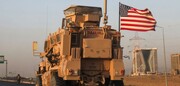
On the other hand, the Syrian Kurdish forces were the main partner of the US-led coalition in the fight against ISIS in the past years and killed around 11 thousand people. However, Washington now appears to have distanced itself from this former ally. US Special Representative for Syria Thomas Barak has described the SDF's counter-terrorism mission as "finished."
These developments have strengthened the concern in Erbil that the US commitment to support the Kurdish autonomy in the region is decreasing. At the same time, the authorities of the Kurdistan region have tried to introduce themselves as the guarantors of the process of integration of Syrian Kurdish forces into the structure of the central government of Damascus.
For many Kurds, the rapid advance of Sunni Islamist forces and nomadic groups in eastern Syria was reminiscent of the 2014 ISIS blitzkrieg. At that time, Syrian Kurdish-led forces and Iraqi Peshmerga played the main role in confronting ISIS.
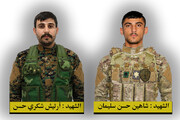
In the recent conflict, extensive pictures of Kurdish casualties on the battlefield were published. According to the Syrian Observatory for Human Rights, the clashes between Damascus and the SDF have left more than 1,068 civilian victims. Many of these images were circulated on Kurdish social networks and provoked strong reactions.
Salam Omar, a Kurdish media expert, said that documenting war crimes is very important, but at the same time emphasized that "the world saw what happened in Syria, but nothing changed."
According to many observers, the withdrawal of the SDF forces is a new victory for Türkiye's regional policy; That is after the fall of the Baathist government allied to Iran in December 2024 at the hands of forces supported by Ankara.
Türkiye has always considered the SDF as an extension of the Kurdistan Workers' Party and has justified its military presence in northern Iraq with the aim of confronting this group. Turkish Foreign Minister Hakan Fidan announced in an interview on February 9 that after the developments in Syria, "attention will inevitably turn to Iraq."
He also announced more than 20 meetings with Iraqi authorities and proposed a joint operation against PKK elements. According to Fidan, Turkish air power along with Hashd al-Shaabi ground forces can solve the PKK issue within "two or three days."
At the same time, the start of the war against Iran on February 28 has created new threats to the Kurdistan region. During this war, there was a wave of drone and missile attacks against American bases and civilian infrastructure in Erbil and other regions of the region.
By the end of March, more than 474 such attacks have been registered. Kurdish analysts say that the region's hosting of American forces and the presence of Kurdish opposition groups have made Erbil's situation extremely fragile.
In addition to security threats, the Kurdistan Region is also facing economic concerns. The areas now controlled by Damascus could become a new route for trade between Iraq, Syria and Türkiye, bypassing the Kurdistan Region.
A senior political source in the regional government has said that if a new economic corridor is opened to Syria, great damage will be done to the region.
This development can also facilitate the "development road" project of Iraq; A plan proposed to connect the UAE, Qatar, Iraq, Türkiye and the European Union from 2023 through a network of railways, roads and ports.
Despite these challenges, the authorities of the Kurdistan Region still emphasize the stability of their position. According to an official of the region, "there is no serious threat against the region" and the extensive diplomatic relations and its legal position in the Iraqi constitution are considered a strategic advantage.
He has also emphasized that the two main Iraqi Kurdish parties, the Kurdistan Democratic Party and the Patriotic Union of Kurdistan, are of the same opinion in supporting the Syrian Kurds and acting as a mediator between Damascus and the SDF.
All in all, the leaders of the Kurdistan Region seem to consider their relations with various actors in the region, from Damascus to the Syrian Kurdish forces, as a long-term investment in maintaining their stability. According to this official, "We cannot control the US decision, Turkey's demand or Baghdad's demands, but we can control the readiness, unity and silent rejection of abandonment."
Your Comment