
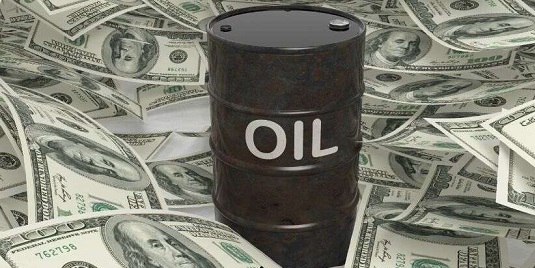
According to Kordpress, quoted by the National Context magazine, following the unprecedented drop in oil exports and the disruption of the main energy transfer routes, Iraq's oil income fell to around 1.2 to 1.4 billion dollars in April 2026; A figure that only covers nearly a quarter of the monthly cost of government salaries, pensions and welfare assistance, and has raised concerns about Baghdad's financial ability to continue paying its obligations.
Estimates show that the Iraqi government needs about 5.45 billion dollars a month to pay employee salaries, pensions and welfare programs, while the total oil and non-oil revenues of the country in April probably did not exceed 1.5 to 1.8 billion dollars. In this way, Baghdad has faced a budget deficit between 3.6 and 4 billion dollars in just one month.
This crisis intensified after the closure of the Strait of Hormuz and the almost complete stoppage of exports from the southern route of Iraq. Normal exports from Basra terminals were virtually stopped in April, and only two tankers were able to load a total of about 4 million barrels of oil this month.
On the other hand, the main part of Iraq's exports was carried out through the Kurdistan Regional Pipeline to the Turkish port of Ceyhan. Officials of the Iraqi Ministry of Oil have announced that this route transported between 160,000 and 200,000 barrels of oil per day in April.
The land route of Jordan also remained active with a limited volume of 10,000 to 15,000 barrels per day, but its contribution to the overall income was insignificant.
Iraq also continued to export part of its exports by trucking fuel oil from Al-Walid Pass in Anbar province to al-Tanf and then to the Syrian port of Banias. Despite the daily passage of hundreds of trucks, the low price of fuel oil caused the revenue of this route to be estimated at only 110-170 million dollars in April.
By comparison, Iraq's oil revenue was about $6.8 billion in February, but that figure fell to $2 billion in March and hit its lowest level this year in April.
According to the data of the Iraqi Ministry of Finance, the current monthly expenditure of the government is about 8.35 trillion dinars, most of which is spent on salaries, pensions and social support. Non-oil revenues, including taxes and customs, compensate only a small part of this gap.
In response to the crisis, the Iraqi government is exploring options such as domestic borrowing, using foreign exchange reserves, limiting unnecessary spending and delaying payments to contractors. Iraq's foreign exchange reserves are estimated at 97 billion dollars.
However, analysts warn that the widespread use of these reserves could lead to pressure on the Iraqi dinar, increasing inflation and intensifying mistrust in the market. In response to the oil shock, the Standard & Poor's rating agency has placed Iraq's credit rating on negative review.
Iraqi officials insist that salary payments will continue, but some government advisers have warned that if oil exports remain at current levels, the real strain on government finances will become apparent from June, and from July it will become more difficult to manage the crisis with domestic means.
Even a limited resumption of oil exports from the south could quickly change Iraq's finances, experts say, but as it stands, the government faces one of its toughest fiscal tests in recent years.










Your Comment