

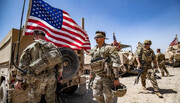
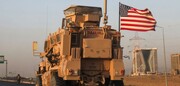
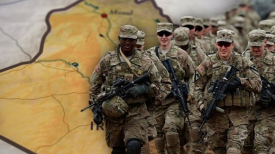
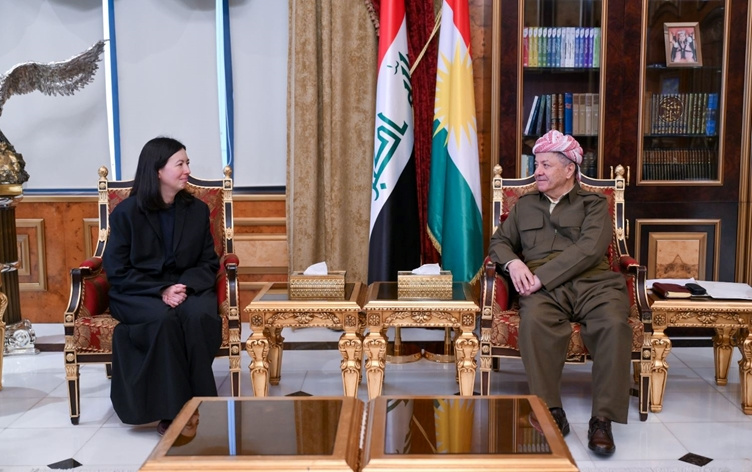
According to KurdPress, Victoria Taylor, former US Assistant Secretary of State for Iraq and Iran Affairs and Director of the Iraq Initiative at the Atlantic Council, described the recent withdrawal of US forces from the Kurdistan Region of Iraq as the "end of an era" in an interview with Al-Monitor's "On the Middle East" program, and said that this development has important consequences for the political and security situation of the Kurdistan Region.
Taylor emphasized that the US presence in Erbil was not only a military presence, but also had a symbolic and political role for the Kurdistan Region.According to him, the US presence was seen as a security guarantee against pressure from Baghdad and Iraqi armed groups. The withdrawal of US forces, the evacuation of a large part of the US consulate in Erbil, and the removal of Patriot defense systems have made the Kurds feel more vulnerable.
He noted, of course, that the US presence had not been able to prevent attacks by Iran and its affiliated militias against US positions or the region, but Washington provided the region with important capabilities such as anti-drone defense and political support, which have now been reduced. In his opinion, the Kurdistan Region will also be more vulnerable to pressure from Baghdad after the US withdrawal, because the Trump administration will not play an active role in mediating between Erbil and Baghdad, as previous governments have done.Taylor identified internal divisions between the Kurdistan Democratic Party of Iraq and the Patriotic Union of Kurdistan as one of the main problems in the region. He said that as US support for the Kurds has declined, the continuing differences between the two main Kurdish parties and the long delay in forming a regional government have weakened the Kurds’ position. However, he does not believe that greater Kurdish unity could have prevented the US withdrawal, as he sees this decision as more a result of the Trump administration’s overall policy of ending US military missions in Iraq and Syria and reducing Washington’s foreign commitments.
According to Taylor, the Trump administration did not initially view the continued US military presence in Iraq positively, and the withdrawal of troops was consistent with the administration’s view of the 2003 Iraq War and the reduction of US military commitments in the region.He added that even major developments such as the fall of Bashar al-Assad's regime in Syria or the Iran-US war did not cause a reconsideration of the decision to withdraw troops.
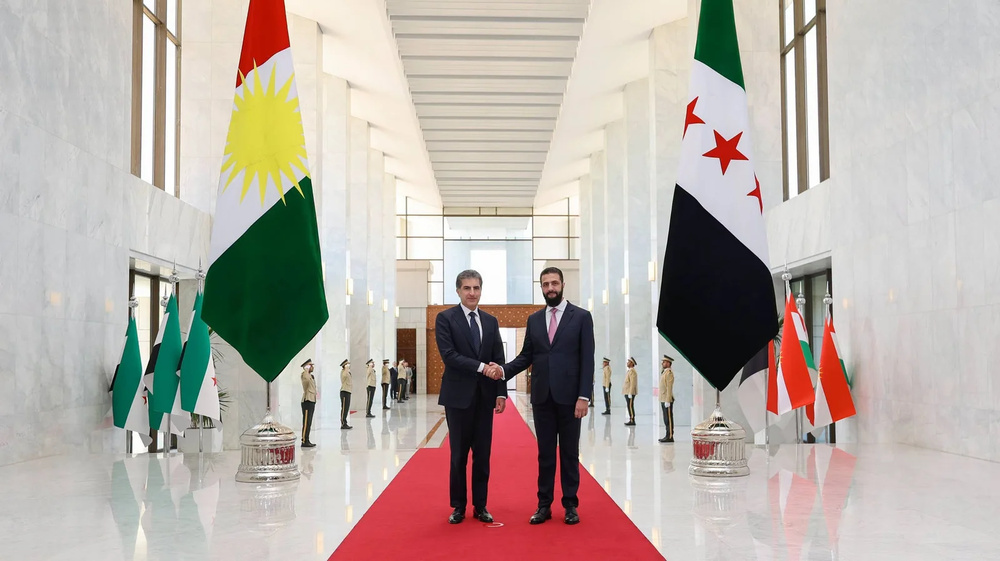
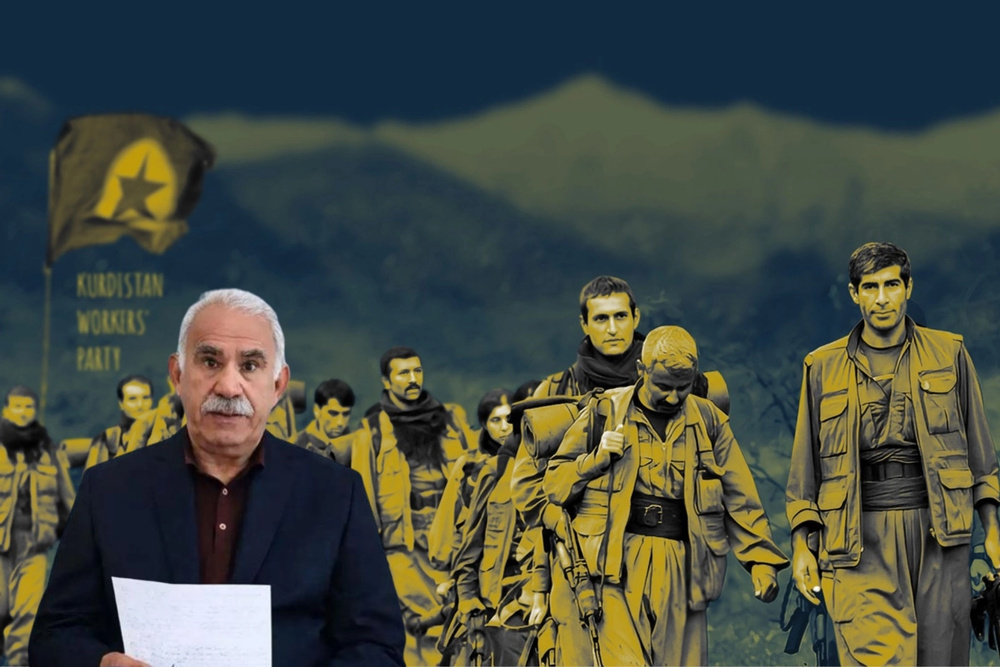
In another part of the conversation, Taylor pointed to the contradiction in US policy towards Iraq. On the one hand, Washington has strengthened its relations with the central government in Baghdad and supported the new Iraqi prime minister, but on the other hand, it has put its traditional ally in the Kurdistan Region in a more difficult situation. He explained that the Trump administration is more inclined to engage with centralized governments and strong leaders, and sees the complex issues of Iraqi democracy and the country's internal disputes as obstacles to advancing its interests.He continued by discussing Turkey’s growing role in Iraq and Syria, saying that relations between Ankara and Baghdad have improved in recent years and that now, with greater coordination between the United States and Turkey, Ankara is trying to fill some of the void left by the reduced American presence. According to him, economic cooperation, energy issues, the Iraq-Turkey oil pipeline, water, as well as the Kurdistan Workers’ Party (PKK) issue are among the main axes of this cooperation.
Taylor believes that this change in approach has created an important opportunity for Turkey, because the US government is now more prepared to hand over a greater security role in Syria and Iraq to Ankara. He said that Turkey had been criticizing America’s support for the Syrian Democratic Forces for years, and now the situation has changed towards Ankara’s desired perspective.Overall, Taylor believes that the US withdrawal from Iraq and the reduction of Washington's support for the Kurds are a sign of a major shift in US regional policy; a shift that has increased the role of Baghdad, Tehran and Ankara in the Iraq-Syria equations and has left the Kurdistan Region in a more vulnerable position than before. In his opinion, the weakness of the Kurds' internal cohesion has also exacerbated this trend.
Your Comment