

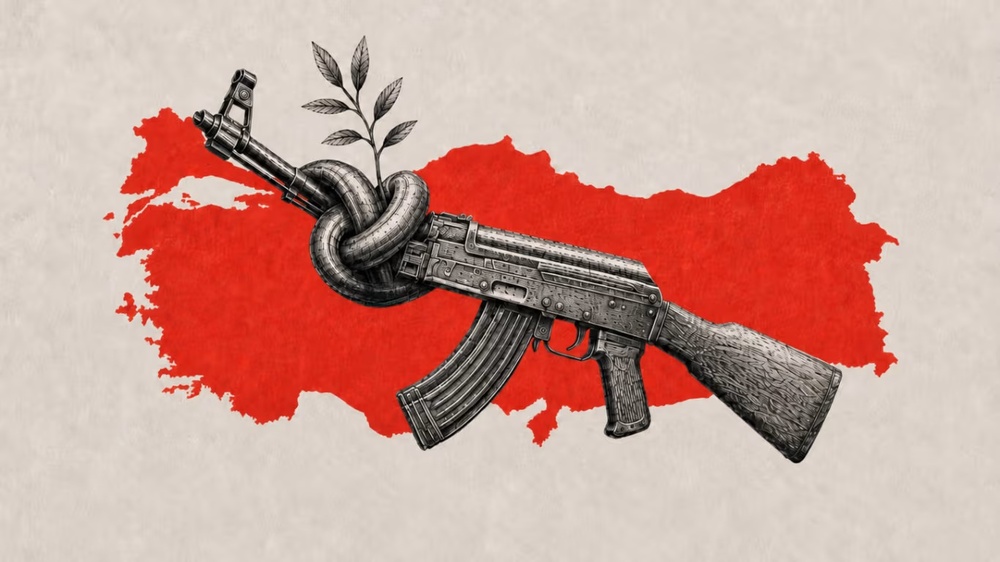
According to Kurdistan Press, the legal proposal, prepared within the framework of the so-called "Turkey without Terrorism" process, will be submitted to the Turkish Parliament today under the title of "Law on Strengthening National Solidarity and Social Integration".
According to the announced program, the 12-article proposal will be examined in the relevant commission on Friday and in the general assembly of the Parliament on Sunday.However, its final approval and timing depend on the negotiations and the vote of the deputies.
The details published by T24 are related to the proposed text and cannot be considered as a law until it is officially registered, approved by the parliament and published in the official gazette.
The implementation of the law is subject to the approval of the National Security Council
According to the draft, the implementation of the provisions of the law is conditional on the Turkish security institutions verifying the end of the practical existence of the PKK / KCK and all its related structures and elements, as well as their complete disarmament.
The Turkish National Security Council (MGK) must also confirm this assessment. The proposed text mentions the handover of all weapons and ammunition under the control of these groups as one of the conditions for the start of the law’s implementation.After the approval of the National Security Council and its publication in the Official Gazette, the persons concerned will have six months to request the benefits of the law by submitting a written request.
What crimes are covered by the law?
According to the published text, the scope of this law includes crimes such as establishing or managing the PKK / KCK, membership in this organization, knowingly and intentionally assisting it, propaganda for the organization, crimes committed within the framework of its activities and crimes related to the financing of terrorism for the benefit of this organization, which are defined in Turkish Law No. 6415. The status of each accused or convicted person will also be reviewed in the same judicial authority responsible for the investigation, trial or execution of the sentence. The request to benefit from the provisions of this law can be submitted to the prosecutor's office of the location of the person or entity, which will be determined by the responsible body.Murder and some life sentences excluded
The draft law excludes “murder committed within the framework of an organization’s activities.”
Investigations and trials of crimes committed before June 1, 2005 and punishable by life imprisonment or aggravated life imprisonment will also be excluded.
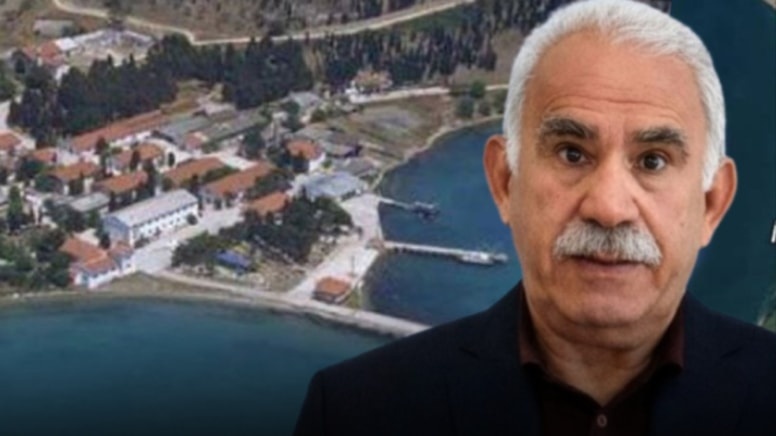
T24 writes that these restrictions effectively prevent Abdullah Öcalan from benefiting from the new law. However, the MHP leader Devlet Bahçeli has simultaneously called for Öcalan to be granted the “right to hope,” an issue that would require a separate legal mechanism if pursued.Suspension of investigations and trials for five or 10 years
According to the proposed law, the duration of the suspension of investigations and trials will be determined based on the potential penalty; thus, the proceedings of crimes with a maximum penalty of 15 years of imprisonment or less will be postponed for five years, and the proceedings of crimes with a maximum penalty of more than 15 years of imprisonment or life imprisonment or aggravated life imprisonment will be postponed for 10 years. The affected individuals can appeal the suspension decision within two weeks, and if the legal conditions are met, precautionary measures such as temporary detention and judicial supervision will also be canceled. If the case is at the appeal or review stage, the ruling will be overturned and the case will be returned to the court of first instance to decide on the suspension.If the individual does not commit a new crime during the five or 10-year period and meets all the stipulated conditions, a restraining order or dismissal of the case will be issued for his case at the end of this period.
Suspension of the execution of final sentences
The proposed law also includes the execution of final sentences; accordingly, the total of prison sentences up to 15 years will be suspended by the decision of the execution judge for five years, and the total of sentences over 15 years, as well as life sentences or aggravated life sentences, will be suspended for 10 years. There is a possibility of appealing these decisions, and if the convict does not commit a new crime during the suspension period, the issued sentence will be considered executed. Also, during this period, the statute of limitations related to criminal litigation and execution of the sentence will not be calculated.
Possibility of removing deprivation of rights
The proposed law also regulates the issue of legal deprivations resulting from investigations, trials, or convictions.Suspension decisions will be reviewed periodically by the “Assessment and Coordination Board.” This board may, if deemed necessary, request the Criminal Peace Court, the trial court, or the execution judge to revoke all consequences of the individual’s legal deprivation.
For cases with a five-year suspension period, at least two years must have passed since the decision was issued. In cases with a 10-year suspension, it will also be possible to file a request for lifting the deprivation after three years.
Establishment of an Evaluation and Coordination Board under the supervision of the Vice President
To oversee the implementation of the law, an “Evaluation and Coordination Board” will be established under the chairmanship of the Vice President.The Ministers of Justice, Foreign Affairs, Interior and National Defense, the Secretary General of the Presidency, the Head of the Turkish National Intelligence Organization (MİT) and the Secretary General of the National Security Council will be members of this board, and its activities will be coordinated by the Presidential Secretariat. In addition to following up and evaluating the implementation of the law, this board will also review decisions regarding the suspension of cases and requests for the removal of legal disqualifications resulting from investigations, trials or convictions.
Establishment of a 17-member Oversight Commission in the Parliament
Within the framework of the law, a 17-member commission entitled “Turkish Parliament Oversight Commission” will be established to follow up on the activities and stages of the implementation of the regulations.
The members of this commission will be appointed by the Speaker of the Parliament.The proposed text also states that the new commission will not be subject to the usual provisions of the parliament's internal regulations; an issue that could distinguish its powers and mode of operation from regular parliamentary committees.
Registration of individuals, surrender of weapons and disarmament
According to the proposal, the Ministries of National Defense and the Republic of Turkey will be required to prepare a joint instruction for registering individuals, surrendering weapons and implementing the disarmament procedures, after receiving the opinions of the security institutions.
The implementation of this mechanism will begin after the organization's activities are verified and approved by the National Security Council.
Six-month period for submitting an application
Individuals who want to use the provisions of the law will have six months from the date of publication of the National Security Council's decision in the official gazette to submit their written application.The requests will be submitted to the prosecutors' offices in the applicant's place of residence or to the institutions designated by the Evaluation and Coordination Board.
If the text is approved without changes, the new law will not be a general amnesty, but a conditional mechanism for suspending investigations, trials and the execution of certain sentences. The final benefit of individuals will also depend on the type of accusation, the severity of the conviction, compliance with the conditions of the suspension period and the decision of the judicial and executive bodies.




Your Comment