

Kordpress
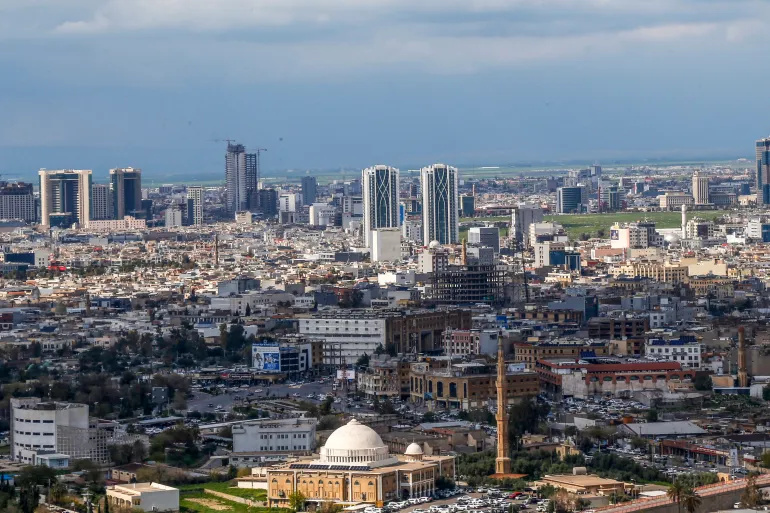
The Kurdistan Region of Iraq, which after the fall of Saddam in 2003, introduced itself to the world as "the gate of stability" and "the most successful experience of federalism in the Middle East", is now caught in a historical twist.
The experience of governance in the Kurdistan region of Iraq is an instructive story of turning "historical opportunities" into "sectarian impasses". The roots of the current miserable situation should be searched for in the wake of the 1991 Intifada; When the Kurds tasted the first taste of self-government after decades of oppression. But that seed of hope turned into the first black mark on the forehead of Kurdish rule in the middle of the 90s with the civil war between the two ruling parties. At that time, the reliance of one pole of power on Saddam Hussein and the other on regional powers showed that the survival of the party and the dynasty, even in its most primitive form, took priority over collective interests. This legacy of mistrust, after the fall of Baghdad in 2003, instead of being assimilated into the structure of a nation-state, was reproduced in the form of a modern "spoils-sharing theory."
After 2003, Kurdish leaders received a blank check from the international community using "historical oppression" and "military efficiency". But instead of transitioning to civil institutions, the power structure was frozen in the form of "dynasty rule". The golden era after 2003, which was accompanied by a flood of petrodollars and the unwavering support of the international coalition, could turn the region into the "Singapore of the Middle East". Diplomatic traffic reached its peak in Erbil and consulates were opened one after another, but under the skin of this glittering development, the structure of "patrimonialism" (property rule) was taking root. Using rich oil revenues and dubious fuel contracts—the massive money-laundering dimensions of which have been exposed today in cases such as Mansour Barzani and legendary fortunes in California—Kurdish leaders effectively held the economy hostage to politics. This "spoilt economy" closed the way for any reforms and turned government institutions into administrative branches of parties. In fact, what Washington reports today as "disappearance of weapons" or "financial corruption" is the natural output of a system in which the line between party coffers and government coffers has disappeared.
Meanwhile, the main tragedy occurred in the systematic blocking of the political space. The reformist and opposition movements that emerged with slogans such as "justice" and "the end of dynastic rule" were quickly caught in the trap of bribery or soft repression due to the parties' complete control over financial and military resources. The opposition leaders were either sidelined with the promise of government posts or lost their social base in the middle of the power balance game between the party and the party. The lack of a powerful political alternative has caused public discontent to turn into desperation and mass migration instead of structural change. This political vacuum has made the region defenseless against the pressures of Baghdad and regional powers; Because a government that is not based on "national satisfaction" is forced to find its survival in "dealing with foreigners".
Comparing the volume of diplomatic exchanges in 2015 with 2026 reveals a bitter reality. Erbil, which was once a safe haven for diplomats and investors, is now facing several simultaneous crises:
Declining strategic importance: With the classic war on terror over, Washington is no longer willing to ignore systemic corruption in the climate under the pretext of "stability."
Tension with Baghdad and neighbors: Ambitious but unsupported policies (such as the 2017 referendum) and lack of transparency in financial and military cases have caused the Iraqi Federal Court and regional powers (Iran and Turkey) to increase pressure on the lifeblood of the region (oil and borders).
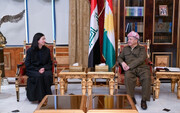
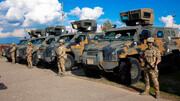
Today, the diplomatic isolation of Erbil and the significant reduction of political traffic in this city is the logical result of this free fall in international prestige. The international community, which once saw the region as a strategic partner during the war with ISIS, is now facing a structure that spends donated weapons in internal media wars and sacrifices financial transparency for the luxurious villas of its leaders. From 1991 until today, the golden opportunities that were obtained with the blood of thousands of Peshmerga and historical sufferings have been sacrificed at the foot of short-term factional interests and dynastic ambitions. The Kurdistan Region is not a model for democracy, but a "grey area" in the security doctrine of the powers that is only considered when there is a deal or security pressure against a rival. This is the fate of the rule in which "family" became bigger than "homeland".
Your Comment