
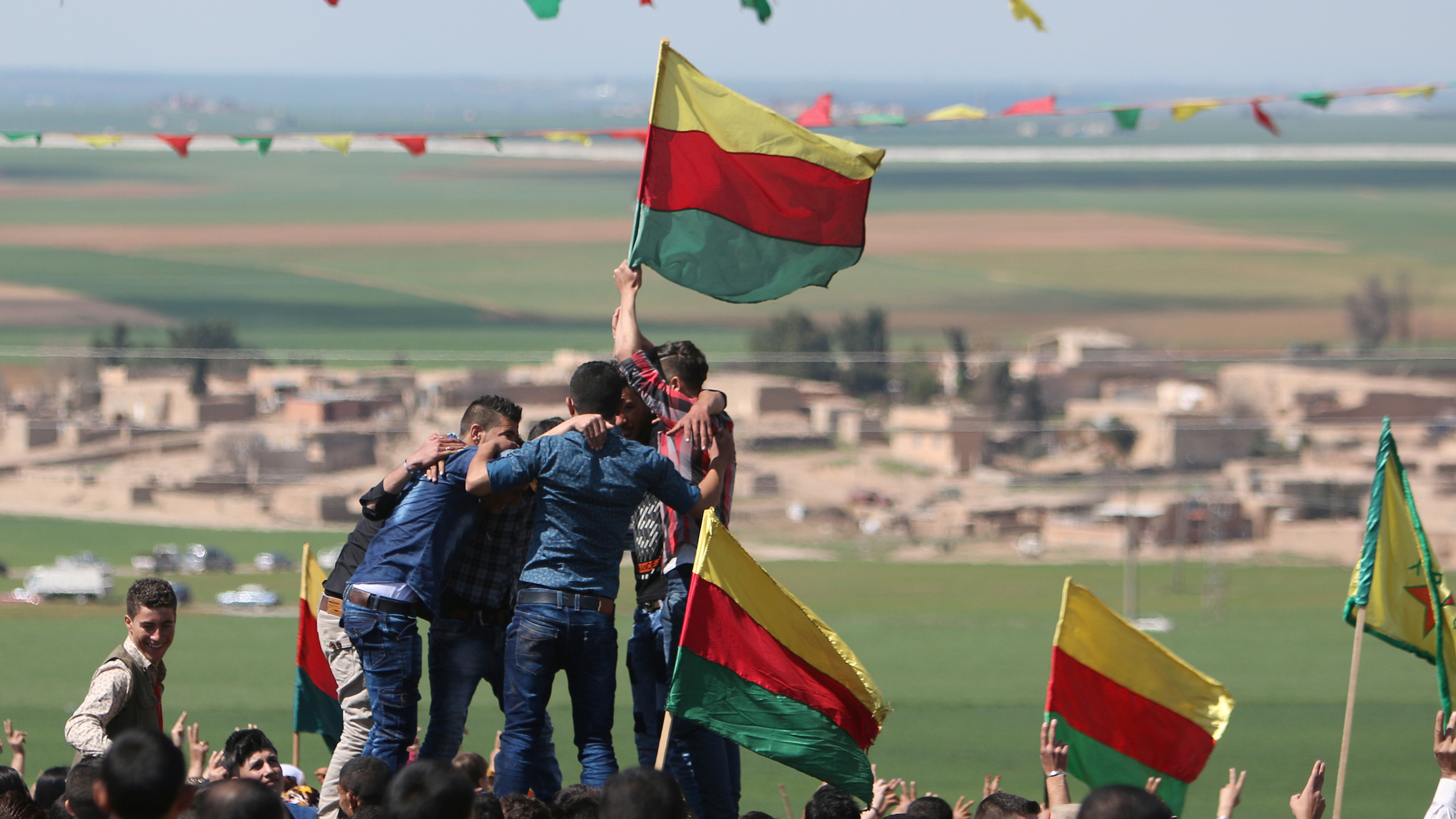
According to Kurdpress, citing Sharq al-Awsat, the process of merging the Syrian Democratic Forces with the Syrian government has been interrupted due to differences over issues such as the case of prisoners and arrests, and the implementation of the agreement between the two sides has faced a challenge.
According to news sources, the exchange of prisoners between the Syrian government and the SDF, which started in March, has been stopped since mid-April and is tied to political issues; An issue that has slowed down the implementation of the January 29 agreement.
In this regard, Abdul Karim Omar, one of the senior officials of the "Kurdish Self-Governing Administration" told Sharq Al-Awsat that some issues still require "more dialogue and agreement". According to him, the case of prisoners and the return of refugees is a priority and both sides are committed to the full implementation of the agreement.
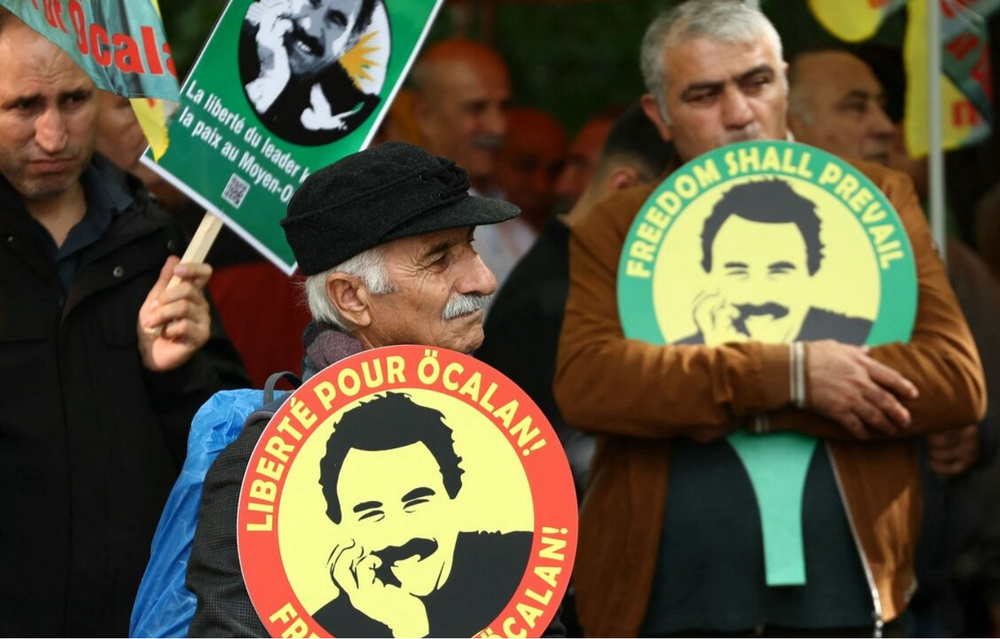
These statements were made while the families of QSD prisoners gathered in different cities, including Haskeh, and demanded the release of their children. The reports also mention mutual arrests between the two sides in Hasakah and Raqqa provinces.
Emphasizing the continued follow-up of the prisoners' cases, he said: "We adhere to the full implementation of the provisions of the agreement, and this agreement is an important framework for cooperation between the autonomous administration and the Syrian transitional government."
Abdul Karim Omar added that the integration program includes military, security and administrative institutions, but the characteristics of Kurdish regions should also be considered. According to him, the realization of this process requires building trust and avoiding political tensions.
Meanwhile, Kurdish sources have reported that some families are complaining about not being able to visit their prisoners in detention centers, especially in Aleppo.
This Syrian Kurdish official also announced that the return of refugees is still one of the priorities. According to him, about 1,400 families have returned to Afrin, but thousands of other families are still waiting to return in the areas of Jazeera and Kobani. Efforts for the return of displaced people from Sri Kani and Gari Sepi areas are also ongoing.
On the other hand, some key issues; Among other things, the integration of women's defense units into the structure of the Syrian Ministry of Defense, education in the Kurdish language, recognition of educational documents issued by the self-governing administration, and issues related to the judicial system remain unresolved.
In the same context, Sipan Hamo, the Kurdish Deputy Minister of Defense of the interim government of Syria, described linking the prisoners' case to political pressure as "immoral" and said that the process of exchanging prisoners in stages was a wrong approach.
On the other hand, Ahmad Al-Hilali, the spokesperson of the presidential team responsible for following up on the implementation of the agreement, announced that the delay in the delivery of some institutions, especially the courts in Qamishlo, had a negative impact on other cases, including the issue of prisoners.
According to published statistics, several stages of prisoner exchange have been carried out in recent months, and in the last case, about 400 SDF forces were released in exchange for 91 prisoners. Before that, hundreds of people were exchanged in the form of similar agreements.
However, there are reports of continued mutual arrests. Local sources have announced that SDF forces have arrested several people in Hasaka, and on the other hand, government forces have also arrested people close to SDF in Raqqa.
Observers believe that the continuation of this situation can weaken the trust-building process between the two parties and make it more difficult to reach a final agreement for the merger.


Your Comment