
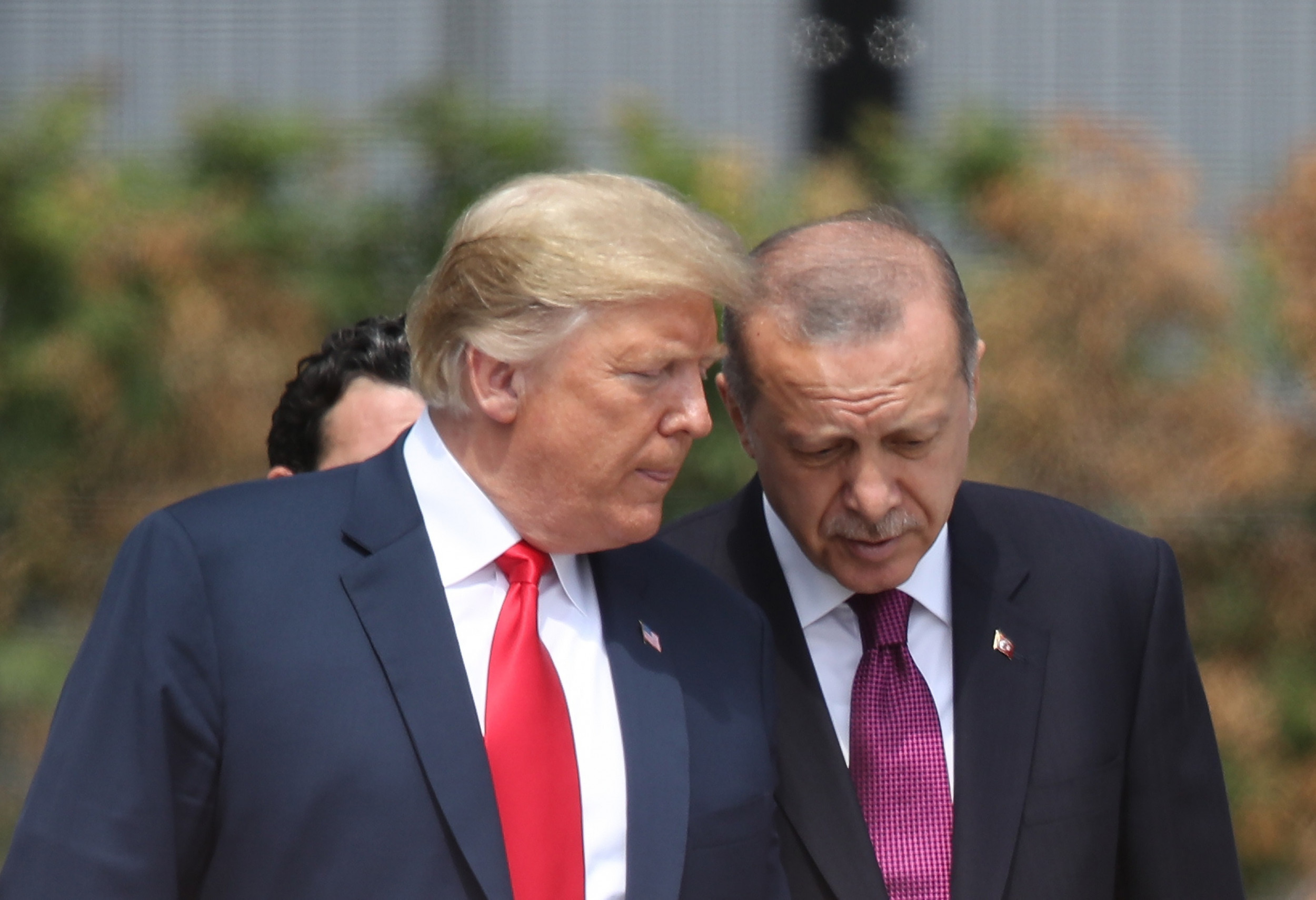
According to a report by KurdPress, the Council on Foreign Relations (CFR)—in an analysis by Henri J. Barkey, a Lehigh University professor emeritus and veteran expert on Turkish affairs—argues that the NATO summit in Ankara will serve less as a security event and more as an opportunity for Recep Tayyip Erdoğan to consolidate his domestic and international legitimacy; an opportunity that, in the author's view, has been bolstered more than ever by the direct support of Donald Trump.
Barkey writes that both Trump and Erdoğan conduct foreign policy based on their personal preferences, showing little regard for institutional mechanisms or collective decision-making. He believes Erdogan intends to use the NATO summit to portray himself as an "irreplaceable ally" to Europe and a trusted partner to the U.S. president—a role that simultaneously helps consolidate his personal rule within Turkey.
The analysis notes that Erdogan has managed to maintain relations with both sides throughout the Russia-Ukraine war. While continuing to supply military equipment to Ukraine and mediating the Black Sea grain export deal, Turkey has preserved its economic and tourism ties with Russia; furthermore, by controlling the Bosphorus and Dardanelles straits under the Montreux Convention, it has emerged as a key player in European security.
In the author's view, European nations currently find themselves in a difficult position. On one hand, they are concerned about the potential scaling back of U.S. security commitments during the Trump era; on the other, they are compelled to rely more heavily than ever on Turkey—which possesses NATO’s largest military force in Europe—even if such cooperation entails turning a blind eye to the country's growing authoritarianism.
Barkey notes that in recent years, Erdoğan has brought virtually all state institutions under his control, dismantled judicial independence, and sidelined political opponents through legal proceedings. The detention of Istanbul Mayor Ekrem İmamoğlu—Erdoğan’s most significant electoral rival—is cited as an example of this trend.
This analysis emphasizes that although European governments have repeatedly condemned these actions, security considerations have led them to adopt a pragmatic, transactional approach in their dealings with Ankara—a dynamic that has bolstered Erdoğan’s bargaining power.
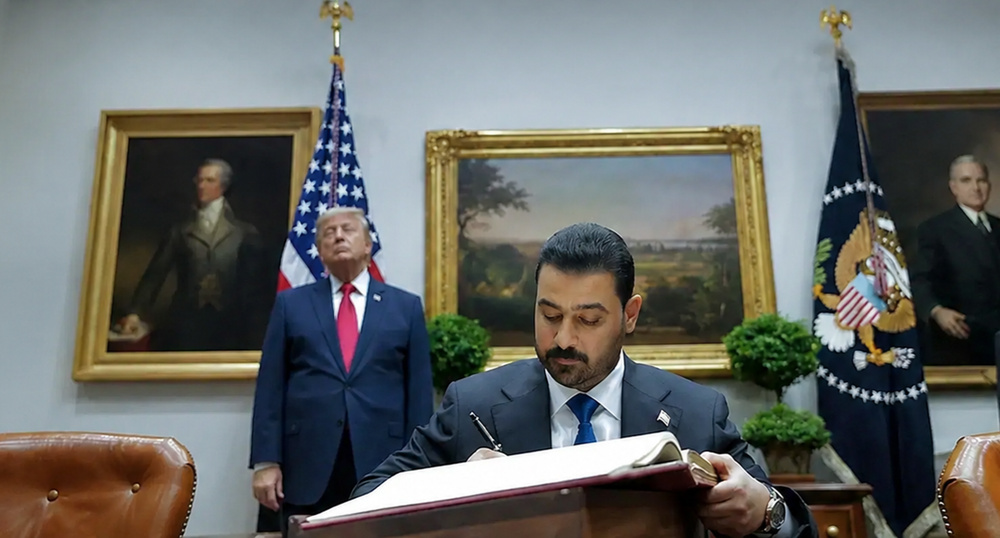
According to Barkey, Trump’s return to the White House has removed the final major obstacle to the consolidation of Erdoğan’s authoritarian regime. Unlike the Biden administration, which took a critical stance on Turkey’s human rights record, Trump has frequently praised Erdoğan, supported his position regarding the Syrian Kurds, and even stated that he would not have attended the NATO summit without a personal invitation from the Turkish president.
The author also points to the Trump administration's decision to move forward with the sale of approximately 80 fighter jet engines to Turkey—intended for the development of the indigenous KAAN fighter—as well as its exploration of ways to bring Turkey back into the F-35 fighter program. According to the author, these steps are being taken despite widespread opposition from the U.S. Congress and at a time when the Russian S-400 missile system remains deployed on Turkish soil.
Barkey recalls that Trump had previously paved the way for Turkey's military operation against Syrian Kurdish forces by withdrawing U.S. troops from northern Syria—an operation that, he notes, resulted in the displacement of more than 180,000 Kurds. Furthermore, according to the analysis, Trump’s swift support for the new Syrian government led by Ahmad al-Sharaa—along with the lifting of some sanctions against Syria—counts as another achievement for Ankara.
Ultimately, the author concludes that the NATO summit will yield two major gains for Erdoğan: first, the consolidation of his international standing through Trump’s presence and support; and second, the conferral of a degree of legitimacy upon his administration—even as, the analysis notes, hundreds of people were arrested prior to the summit and some critical journalists were barred from covering the event.

Your Comment