

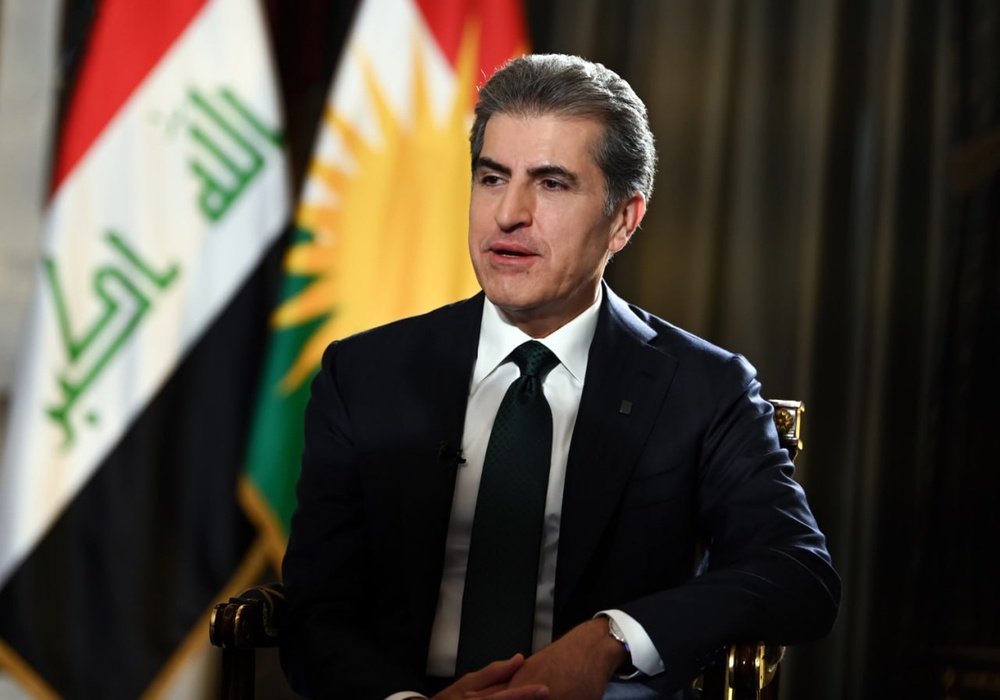
According to Kurdpress, Dr. Masoud Pezeshkian, President of the Islamic Republic of Iran, met with Nechirvan Barzani, President of the Kurdistan Region of Iraq, and his accompanying delegation—who had traveled to Tehran to attend the ceremony honoring the martyred leader of the Islamic Revolution. During the meeting, Pezeshkian expressed gratitude for the Kurdistan Region’s sympathy, solidarity, and friendly, sincere stance toward the Iranian people, and voiced hope that the ties between the two sides would be further strengthened.
Pointing to the recent acts of aggression by the United States and the Zionist regime against the Islamic Republic of Iran, Pezeshkian described these actions as lacking any legal basis and contrary to the fundamental principles of international law, the UN Charter, and international humanitarian law. He stated that the perpetrators launched these attacks against the Iranian nation under the pretext of defending human rights and human values, while the outcome of their actions was the martyrdom of the Leader of the Islamic Revolution, a number of commanders, officials, and innocent citizens, as well as the targeting of civilian and educational facilities.
Pointing to the objectives of those who orchestrated these attacks, the President added that the enemies had imagined that by exerting military pressure and targeting the pillars of the state, the Islamic Republic of Iran would suffer instability, internal rifts, and collapse; however, what actually transpired was a strengthening of national cohesion, social solidarity, and widespread public support for the country and the establishment.
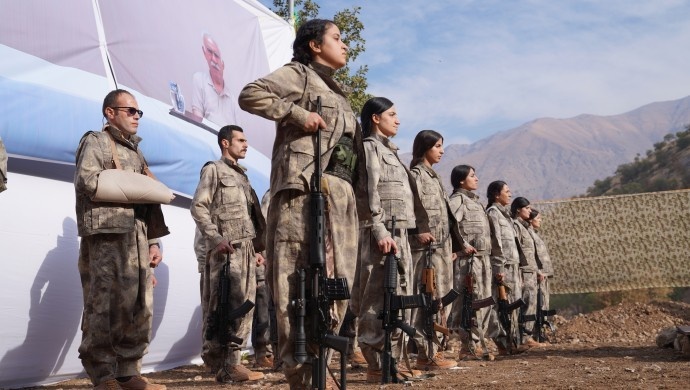
Pezeshkian also commended the responsible stance taken by the Kurdistan Region in preventing its territory from being exploited for actions against the Islamic Republic of Iran, noting that while certain affiliated factions and separatist elements had sought to pave the way for hostile acts against Iran as part of destabilizing schemes, the prudence and sense of responsibility demonstrated by the Kurdistan Region's officials led to the thwarting of these plots.
Emphasizing the necessity of regional cooperation to counter insecurity and instability, the President stated that all governments and nations in the region must strive to strengthen peace, security, and sustainable development. The Islamic Republic of Iran seeks neither discord nor tension with its neighbors and fellow Islamic nations; rather, it regards the expansion of cooperation and the deepening of ties with regional countries as a fundamental strategy.
Pointing to the vast potential for cooperation between the Islamic Republic of Iran and the Kurdistan Region of Iraq, Pezeshkian noted: "We are prepared to further expand our cooperation in scientific, educational, cultural, economic, commercial, and people-to-people spheres, and to leverage all available capacities to serve our mutual interests."
During the meeting, Nechirvan Barzani, President of the Kurdistan Region of Iraq, expressed his condolences and sympathy over the martyrdom of the leader of the Islamic Revolution and a number of Iranian citizens, describing this event as a major loss not only for the Iranian people but for the region as a whole.
Highlighting the long-standing ties between the Kurdistan Region and the Islamic Republic of Iran, Barzani stated: "Our relations with Iran are deep-rooted and founded on mutual trust. The people of the Kurdistan Region always remember the support and solidarity shown by the Islamic Republic of Iran at various historical junctures, and they regard Iran as a partner and a supporter."
The President of the Kurdistan Region described Dr. Pezeshkian’s visit to the region as a turning point in bilateral relations, adding that the visit paved the way for expanding ties and cooperation, the effects of which are evident across various sectors.
Pointing to recent regional developments, Nechirvan Barzani stated: "It was clear from the very outset that military attacks against the Islamic Republic of Iran would fail to achieve their declared objectives, given Iran’s broad public support and significant social capital. We fully understood this reality and, on that basis, conveyed to various parties that pressure and military action could never force the Iranian nation to submit."
Highlighting the existing economic potential between the two sides, Nechirvan Barzani noted that the Kurdistan Region possesses vast capacity for expanding trade and economic cooperation with the Islamic Republic of Iran; he emphasized that the ties between the two parties are not merely political but are rooted in shared history, culture, and people-to-people relations.
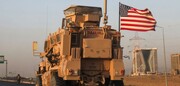
Referring to the missile and drone strikes that hit various parts of the region during the recent conflict, the President of the Kurdistan Region also stated that the presence of foreign bases in certain areas was not the result of bilateral agreements between the region and foreign parties, and that the Kurdistan Region has never sought to become a launchpad for threats against its neighbors.
Your Comment