

According to Kurdistan News Agency, Turkey's positive diplomatic relations with the central government of Iraq, the Kurdistan Regional Government and the new Syrian government have so far failed to bring the expected economic gains. Diyarbakir's exports to Iraq and Syria have decreased significantly in the first half of 2026 compared to the same period last year.According to information published on the Diyarbakir Soz news site (Diyarbakir Speech), Diyarbakir's exports to Iraq and Syria have decreased by 45 percent. High inflation, increased production costs, high bank interest rates, calculating raw material prices based on foreign currencies, and changes in border trade regulations are cited as the most important reasons for this decrease.
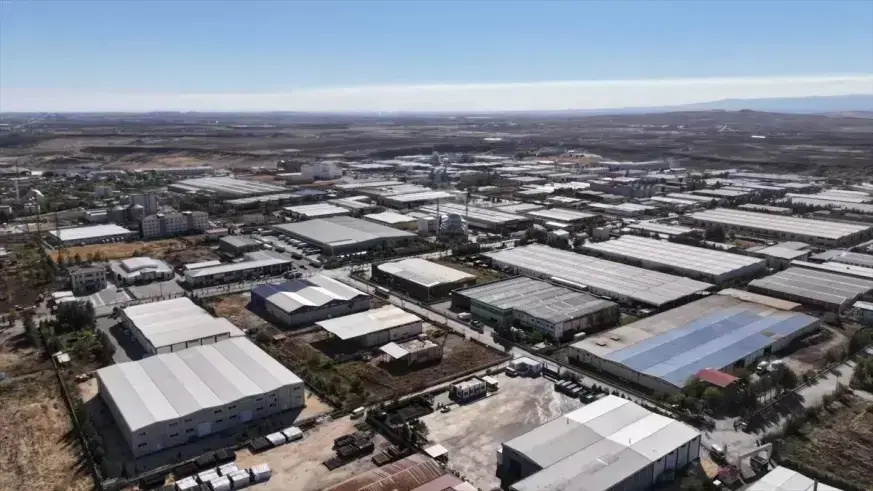
The increase in costs has forced many manufacturing companies to reduce capacity. Some manufacturing units have also reduced their production to 30 percent of capacity in order to continue operating.
New customs and tax regulations at the Khabur border crossing, located in the Silopi district of Şırnak province, have been announced as factors affecting the decrease in exports to Iraq.
Economic activists say the new system has made border trade more difficult and has reduced the competitiveness of Diyarbakir and other provinces in the region in the Iraqi market.High interest rates on bank loans, rising input costs, and costs calculated in dollars and euros are other obstacles facing exporters.
Despite the start of a new era after the Syrian civil war and increased diplomatic contacts, Diyarbakir's exports to the country have not experienced the expected growth.
Diyarbakir's exports to Syria decreased by 35 percent in the first half of 2026 compared to the same period last year. Although some trade problems at the Jelgava border crossing have been resolved, the expected boom in the region's exports has not yet occurred.
Regional economic activists are calling for the solution of logistical problems and the reopening of border crossings closed to trade.The closure of the Şenyorut border crossing in front of the Geziletepe district of Mardin province and the Ras al-Ayn border crossing in the Ceylanpinar district of Urfa province has negatively affected the activities of exporters in Diyarbakir and the surrounding provinces.
Investors and exporters from Diyarbakir, Batman, Mardin, Sirte, Bingol, Bitlis and Elazig are forced to use the Jelvuguzu border crossing in Hatay province to export goods to Syria. This situation has increased logistics costs and reduced production capacity.
Turkey's position in the Iraqi market has also weakened in recent years. Turkey, which was the first country to export goods to Iraq in 2014, has fallen to third place after the United Arab Emirates and China according to 2025 statistics.Exporters warn that Turkey's share of the Iraqi market will decline further if trade barriers are not resolved through negotiations with the Iraqi government and new economic agreements are not signed.



Your Comment