

According to KurdPress, Forbes magazine writes in an analytical report that the vulnerability of the Iraqi Kurdistan Region to air threats is not an issue that is only related to recent wars, but has roots that go back more than 60 years.From the first battles of the Peshmerga with the Iraqi government in the 1960s to today’s drone attacks, the Kurds have always sought to acquire air defense systems, but because they are not an independent state, they have almost never been able to obtain such equipment.
According to Forbes, the death of an American soldier while neutralizing the remains of a suicide drone in the Kurdistan Region is the latest example of a threat that has now become part of daily life in the region. The incident occurred just a day after two other American soldiers were killed in an attack in Jordan, showing that the threat of drones is not limited to the borders of a single country.
The author believes that the turning point in this process dates back to October 2, 2016, when ISIS first targeted Peshmerga positions using a drone carrying explosives.In that attack, two Peshmerga forces were killed and two French soldiers were wounded. According to Forbes, this event marked the beginning of an era in which drones became one of the main tools of war against the Kurdistan Region. Before that, ISIS’s most dangerous weapon was bombed armored vehicles that were destroyed by German “Milan” anti-tank missiles.
Forbes explains that after ISIS’s defeat, the threats not only did not end but also took on a more complex form. Since 2020, Iraqi armed groups have begun rocket attacks on the coalition base at Erbil airport, and these attacks soon changed to the widespread use of suicide drones.
The American magazine also referred to the recent one-year drone attacks on the Kurdistan Region and wrote that, according to the statistics provided, between February 28 and July 17 of this year, at least 904 drones and missiles were fired at the region, killing 29 and injuring 138.Despite the coalition's defense systems protecting Erbil airport, attacks on the region continued.
A demand that began in the 1960s
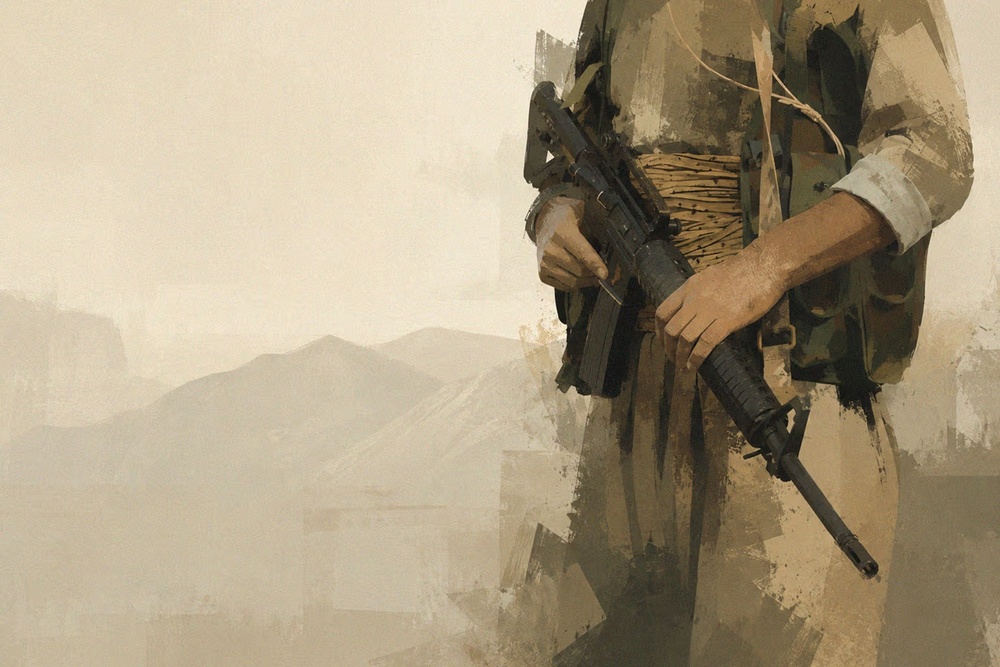
Forbes, reviewing the history of the Iraqi Kurdish movement, notes that the request for anti-aircraft weapons had been in place since 1963. Ibrahim Ahmed, one of the leaders of the Iraqi Kurdish movement at the time, believed that having anti-tank and anti-aircraft weapons could change the balance of the war and make it possible to govern autonomous regions.
The only recorded success against the Iraqi Air Force
Between the agreement on autonomy from 1970 and the start of the 1974 war, the Peshmerga, with the secret support of Iran, the United States and Israel, were equipped with shoulder-launched SA-7 missiles. During this period, they managed to shoot down an Iraqi MiG-19 fighter jet and capture its pilot.Forbes emphasizes that despite this success, the sudden cessation of Iranian support after the Algiers agreement defeated the Iraqi Kurdish insurgency and nullified their military gains.
The report then turns to the 1980s and, referring to the Barzani genocide, the Anfal campaign and the Halabja chemical attack, narrates that the peshmerga’s mission was no longer simply to fight the Iraqi army, but to protect Kurdish civilians from Baghdad’s repressive policies.
The West never provided the Kurds with Stingers
After the 1991 uprising, Kurdish leaders asked Western countries to provide them with Stingers and TOW missiles to counter Saddam’s helicopters and armored forces. This request was rejected, but the establishment of a no-fly zone by the international coalition allowed the Kurdistan Region to continue to exist.Unfulfilled American Promises
Forbes also points to Washington’s unfulfilled promises. Before the 2003 invasion of Iraq, the US had spoken of the possibility of delivering Javelin anti-tank missiles to the Peshmerga, but this promise was never fulfilled. Later, in 2012, Massoud Barzani expressed concern about the delivery of F-16 fighter jets to the Iraqi government, although these aircraft have not yet been used against the region.
An uncertain future
The author concludes by warning that with the planned withdrawal of US-led coalition forces from the Kurdistan Region in the next two months, the Kurdistan Region will need air defense systems more than ever.Although the Iraqi government has recently promised to deploy defense systems to protect the region's oil and gas facilities, Forbes, citing a long history of failed promises, does not consider the realization of this plan certain and concludes that Iraqi Kurdistan will remain vulnerable to new aerial threats, especially drones.

Your Comment