

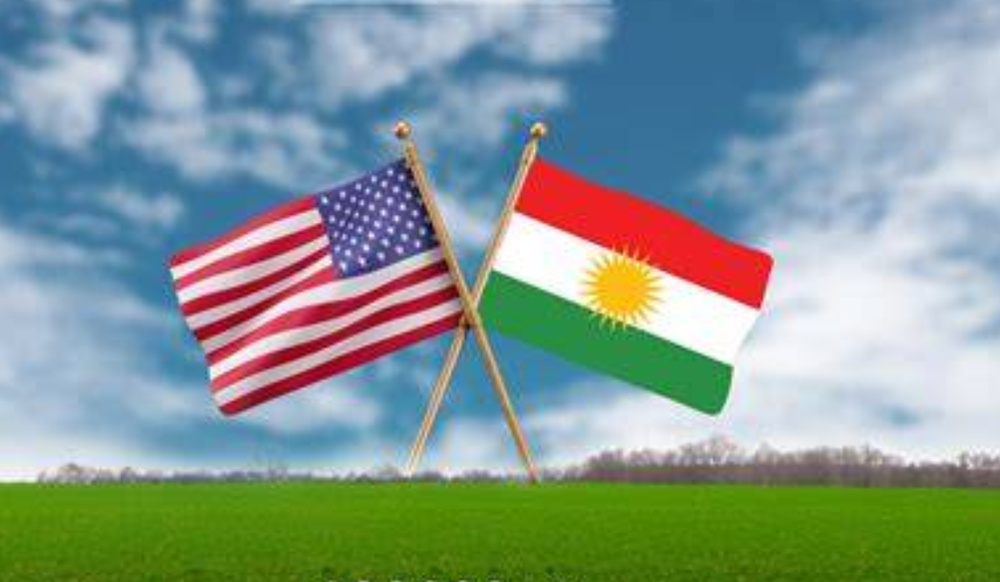
According to a new report by the Middle East Institute, the Peshmerga forces of the Kurdistan Region of Iraq remain one of the United States' most important defense partners in the Middle East; a security relationship that has continued since 1991. Based on previous research and more than 20 interviews with Peshmerga commanders, US military officers and military experts, the report assesses the Peshmerga's combat performance, especially in the fight against ISIS and in the confrontation with the Iraqi army after the 2017 independence referendum, and offers suggestions for the future of cooperation between Washington and Erbil.The report emphasizes that, despite some significant setbacks, the Peshmerga has been an effective force, adapted to war conditions, and a reliable partner for the United States. However, its most important structural weakness remains the dependence of the forces on the two main parties in the region, the Kurdistan Democratic Party of Iraq and the Patriotic Union of Kurdistan. This dependence has led to the division of command and control of the forces between the two parties and the process of military operations and structural reforms facing serious problems.
According to this assessment, if the political conditions are right, the United States should prioritize strengthening the military capabilities of the Peshmerga so that this force can defend the region’s borders against conventional military threats while continuing its mission to confront terrorist groups.In this regard, Washington should recognize the Peshmerga as the main force responsible for protecting the region’s borders and provide them with heavier weapons and air defense systems.
However, the report emphasizes that any improvement in military relations between the United States and the region must be conditional on real progress in Peshmerga reforms. Reforms aimed at fully transferring command of the forces from party structures to the regional Peshmerga Ministry and creating a single, non-partisan command. The author believes that despite years of promises about reform, no tangible progress has been made in this area.
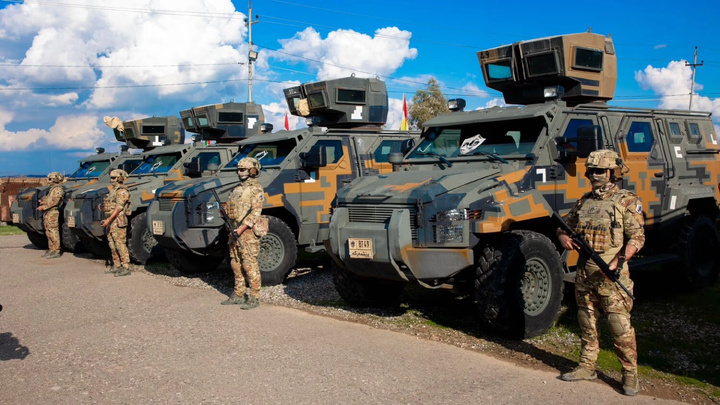
The report also suggests that the United States play a more active role in the reform process, including overseeing the appointment and promotion of commanders so that they are selected based on military merit, not party affiliation.If these reforms are implemented, Washington could expand its military cooperation and provide weapons directly to the Peshmerga, such as reconnaissance drones, anti-tank missiles, air defense systems, and armored vehicles that have been deemed essential for the role of territorial defense. The United States could also resume paying the Peshmerga salaries if the transparency of the electronic payment system for troops is ensured. At the same time, the report warns that the development of US relations with the region must be done taking into account the sensitivities of the Iraqi and Turkish governments.Overall, the study concludes that the Peshmerga remain one of America’s most effective security partners in the region, but the future of this partnership will depend on the extent to which the Kurdistan Region succeeds in ending the dual and partisan structure of the Peshmerga forces and creating a professional, integrated army under the command of the regional government.



Your Comment