

According to Kurdpress, consultations between Baghdad and Erbil regarding the deployment of air defense systems at Kurdistan Region oil and gas fields signal an unprecedented level of security convergence between the two sides; this move aims to protect energy infrastructure from drone attacks and facilitate the return of Western—particularly American—companies to Iraq’s energy sector. However, disputes over the authority of the Peshmerga and the influence of armed groups in Iraq continue to cast uncertainty on the future of this cooperation.
Following years of discord between Baghdad and Erbil, repeated drone attacks on the Kurdistan Region’s oil and gas facilities have drawn the two sides closer in terms of security cooperation.
In recent weeks, officials from the Iraqi government and the Kurdistan Region have initiated intensive negotiations regarding the deployment of air defense systems around oil and gas fields—a move that could mark a turning point in security relations between the federal government and the Kurdistan Region.
The primary objective of these systems is to protect energy infrastructure against drone and missile attacks by armed groups—attacks that have repeatedly halted the region's oil and gas production and disrupted the operations of foreign companies in recent years.
These talks are proceeding alongside efforts by Thomas Barrack, the U.S. President’s special envoy for Iraq and Syria, to bring Baghdad and Erbil closer together within a joint economic and security framework.
Attacks on Energy Facilities: A Catalyst for Baghdad-Erbil Rapprochement
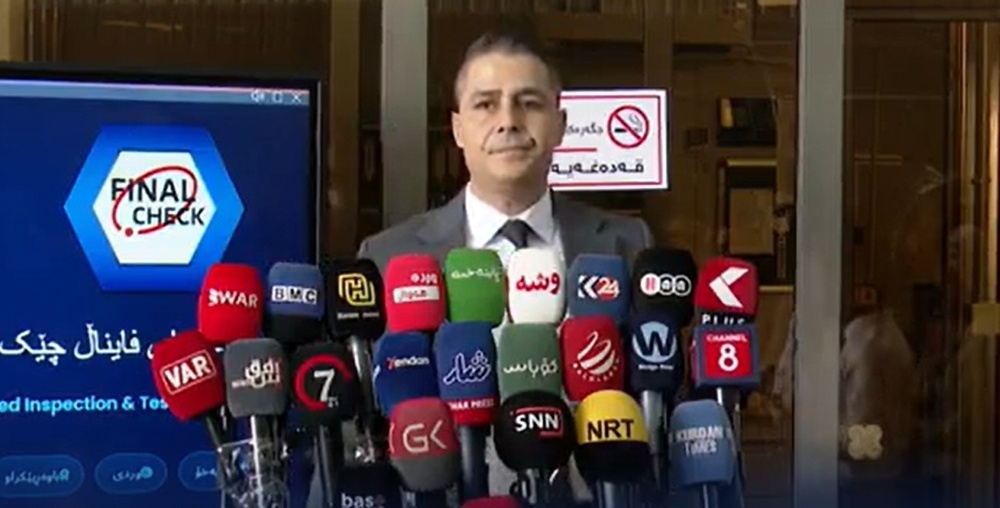
On June 18, a security delegation from Baghdad traveled to Erbil to discuss the deployment of air defense systems at the Kurdistan Region’s oil and gas fields. This development is significant because the Iraqi central government had previously been highly sensitive to the Region’s efforts to bolster its independent defense capabilities.
According to Iraqi MP Shirwan Dubardani, Baghdad is set to provide air defense systems to the Region for installation around the oil fields.
Analysts believe that Israeli and US strikes against Iran—and the ensuing conflicts that turned the Kurdistan Region into a theater of confrontation between Iraqi and US forces—have played a pivotal role in shifting Baghdad's approach.
Bringing Back Foreign Investors
Ali al-Zaidi’s government believes that international companies will be unwilling to continue investing in Iraq without security guarantees. Consequently, bolstering the protection of oil and gas fields has become a government priority.
In this context, U.S. companies Chevron and Halliburton initiated talks with Iraqi officials in June to resume their investments. The Regional Government has also announced that several oil companies have resumed operations following the suspension caused by recent attacks.
Experts believe this trend aligns with Washington’s policy of increasing the presence of U.S. companies in Iraq’s energy sector while curbing the influence of China and Russia in the industry.
A New Chapter in Security Cooperation
Caroline Rose, a senior director at the Soufan Center, believes that the deployment of air defense systems in the Kurdistan Region could elevate security relations between Baghdad and Erbil to a new level.
According to her, recent attacks have demonstrated the extreme vulnerability of Iraq's energy infrastructure, and this shared threat has driven the central government and the Kurdistan Region toward greater cooperation.
Wladimir van Wilgenburg, an analyst specializing in Kurdish affairs, also believes this cooperation could pave the way for further joint initiatives—such as combined military exercises between the Iraqi Army and Peshmerga forces—though, at this stage, it will primarily serve to build trust.
Erbil Concerned Over Expanding Baghdad’s Influence
Despite welcoming security cooperation, leaders of the Kurdistan Region remain protective of their security prerogatives.
The Kurdistan Region has enjoyed de facto autonomy since the 1991 Gulf War, and following the 2005 constitution, the Peshmerga forces were formally recognized as part of the region's legal structure.
In recent weeks, as the Iraqi government seeks to implement a policy of consolidating arms under state control, Kurdish officials have emphasized that this policy will not extend to the Peshmerga forces.
Mohammed Salih, a researcher at the Foreign Policy Research Institute (FPRI), believes that while Washington should support the deployment of air defense systems, it must not allow this equipment to become a tool for expanding the influence of Baghdad—or Iraqi factions—within the region.
He also emphasizes that the Peshmerga, unlike other forces in Iraq, holds a special legal status under Article 121 of the Iraqi Constitution and should not be subject to disarmament programs.
The Future of Cooperation: Security or Dispute?
While recent security cooperation could pave the way for closer ties between Baghdad and Erbil, its success hinges on resolving deep-seated political differences. On one hand, protecting energy infrastructure could boost foreign investor confidence and facilitate the return of Western companies; on the other, the continued influence of Iraqi armed groups, disputes over the status of the Peshmerga, and rivalry regarding security authority remain major obstacles to establishing a sustainable security framework between the central government and the Kurdistan Region.
For this reason, many observers believe that the deployment of air defense systems is only part of the solution, and that ensuring the long-term security of Iraq's energy industry will depend, above all, on curbing the country's destabilizing political and military factors.
Forbes Magazine





Your Comment