

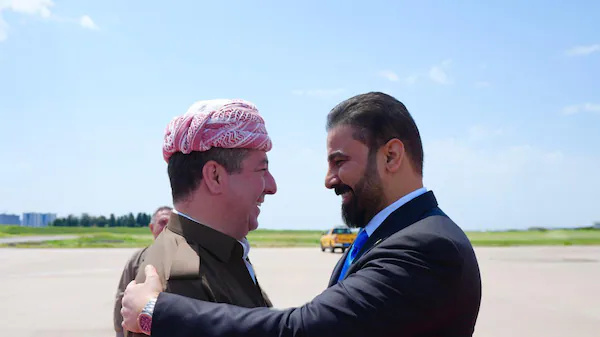
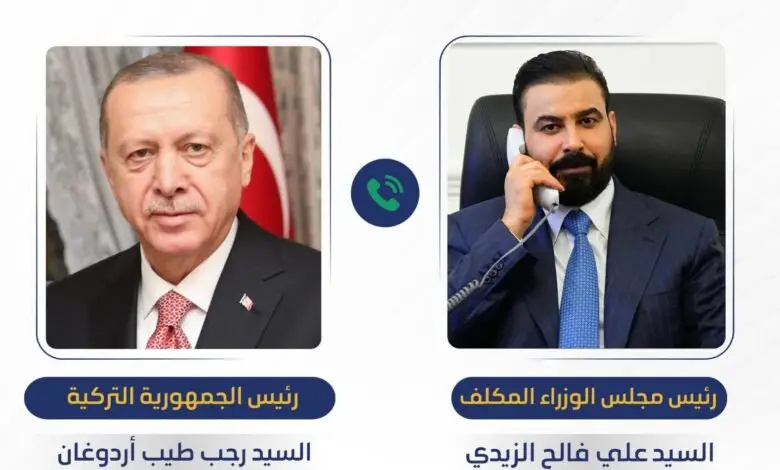
According to Kurdpress, National newspaper reported that Ali al-Zaidi, the Iraqi government formation official, arrived in Erbil on Saturday to get the opinion of Kurdish leaders to complete his cabinet within the legal deadline of 30 days.
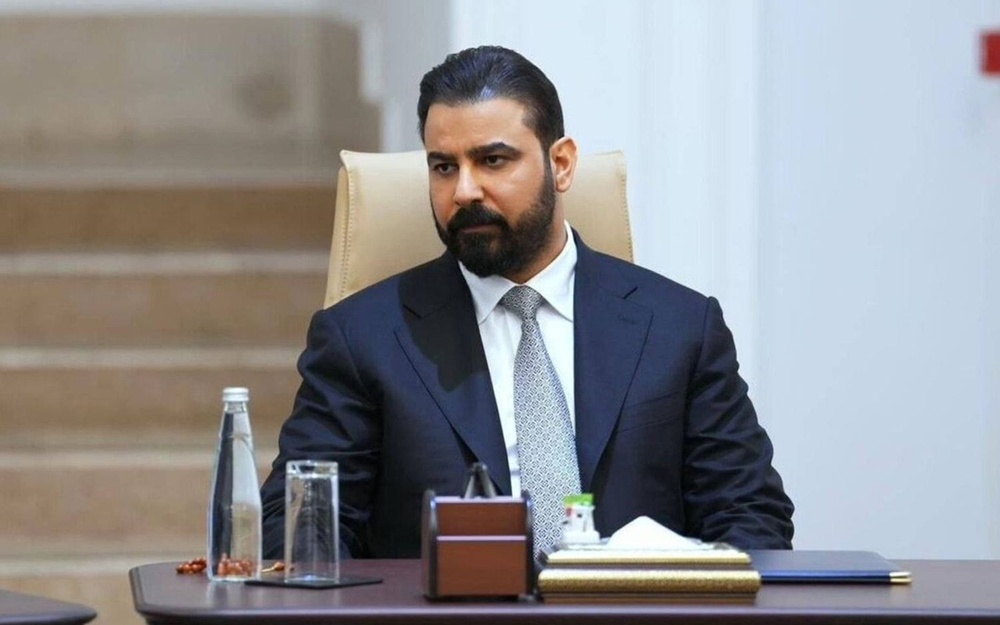
Al-Zaidi, who was introduced last week by the "Coordination Framework" coalition as a compromise option, ended months of political deadlock in Baghdad. However, he now needs the support of various ethnic and religious groups in Iraq to form a government.
Meanwhile, the Kurdistan region is one of the key players in the power equation. Kurdish officials emphasize that the long-standing differences between Erbil and Baghdad are not related to individuals, but to approaches and policies. Nour al-Din Veysi, the spokesman of the regional prime minister, announced that the main demands include respect for the constitutional rights of the Kurds, recognition of the federal status of the region, fair allocation of funds and settlement of the disputed areas.
According to him, the experience of the previous governments has shown that the prime ministers seek the support of the Kurds in a soft tone at the beginning of their work, but after consolidating their power, they withdraw from their commitments; The pattern that he said was repeated in the course. However, Vesey believes that Al-Zaidi can win Erbil's trust.
Some Kurdish officials also emphasize that they expect the new government to reverse the policies that, according to them, have "weakened the authority of the region". They also criticize what they call "Baghdad's economic pressure on the region" and demand its end. Tensions increased especially after the implementation of the new electronic customs system by the central government; An action that Erbil considers as an interference in its economic powers.
At the macro level, the climate position is based on the necessity of forming a government in Baghdad that adheres to federalism and guarantees the representation of all Iraqi groups. According to the Kurdish officials, such a government can contribute to the stability of Iraq and the entire region.
Al-Zaidi, who has no background in public office and is known mostly as a businessman, was chosen because of his ability in "political negotiation," according to analysts. Renad Mansour of Chatham House Institute believes that the coordination framework relies on his skill in negotiating with different blocs in order to gain the satisfaction of all parties.
On the other hand, Mikel Knights, an expert on Iraq issues, believes that the signs indicate that al-Zaidi will be able to form a government within the deadline and will probably gain the support of the Kurdistan Democratic Party; A change that he said could result from some kind of reassurance, possibly from the United States.
Also, Sajjad Jihad, an expert on Iraqi issues, predicts that the process of forming the government will go even faster than expected, because the parties want to vote before the Hajj holiday and the end of the parliamentary term. He also believes that al-Zaidi can gain the support of Kurdish leaders during his trip to Erbil.
All in all, Erbil's trip can be seen as a decisive test for the appointed prime minister; A test in which success will pave the way for the formation of the new Iraqi government.

Your Comment