

Kurdpress - The note you are reading challenges the common reductionism in the analysis of Kurdish politics. The author believes that the behavior of local agents is never formed in a vacuum, but is a direct function of the pressures and requirements of the macro structure of the international and regional system. The conflict or overlap of the interests of the great powers, like a domino, first redefines the regional dynamics and is then reproduced in the form of partisan behavior in Erbil and Baghdad.
This note touches on an important geopolitical break: changing the doctrine of alignments in the Middle East. The shifting of the stakes by key players such as Turkey, Iran, and the United States and their new direction in parallel crises (such as the cases in Syria and Iraq), forces peripheral players such as the Kurdistan Region to adapt to new rules; The adaptation that the recent trips and diplomatic efforts of Erbil officials to Baghdad and neighboring countries are clear signs of.
From the perspective of Iraq's "political history" after 2003, we are witnessing a political turn. The traditional dichotomy of "Party-Yekhti" (Democratic Party and Patriotic Union), which formed the foundation of power in northern Iraq for more than two decades, has now lost its independent function and has become a dependent variable. Even the phenomenon of "internal opposition", which historically should be the driving engine of internal structural changes, is formulated in this analysis as a tool in the service of reproducing the balance dictated from outside.
Many of my friends say that the Kurdistan Region is boiling in the whirlpool of conflicts between the Patriotic Union and the Democratic Party. However, you do not involve yourself in the discussion of these conflicts, climate problems and political forces outside of power, and it seems that my discussions are more focused on international and regional conflicts!! Therefore, I want to answer these friends by mentioning a few points!
Every internal (local) conflict is a reflection of regional conflicts, and regional conflicts are also a reflection of international conflicts. This means that all political, military and economic conflicts consist of three rings of conflict (from international to regional and then to domestic).
Look at the conflicts within the region and Iraq, you can clearly see two fronts that are divided between the regional poles; I mean the regional poles (the Israeli front and the anti-Israel front), which also have a direct connection with the international poles.
The war between America, Israel and Iran has created a series of new changes at the level of regional relations; Those who were enemies and rivals yesterday become friends and allies today.
For example, Türkiye; When Israel prevents the Turkish influence in Syria, the Turks enter into a conflict against the Israeli influence from this point. Without a doubt, Türkiye has become a partner of the Iran-Iraq front and is acting against Israel's influence in Iraq.
This is the strategy that makes Turkey coordinate with the forces affiliated with Iran's front in Iraq so that (with Iran's green light and consent) the post of Kirkuk governorate is given to the Turkmens; A post that the Turkmen affiliated to Türkiye have been dreaming of for about 23 years.
Also, it was Türkiye that was able to resolve the conflicts, tensions, fears and concerns of Iraqis about the new Syrian government. Open the sea gate in the port of Banias for the export of Iraqi oil, and in addition, in Banias, Tartus and Latakia, completely open the gates for the export of goods to Iraq.
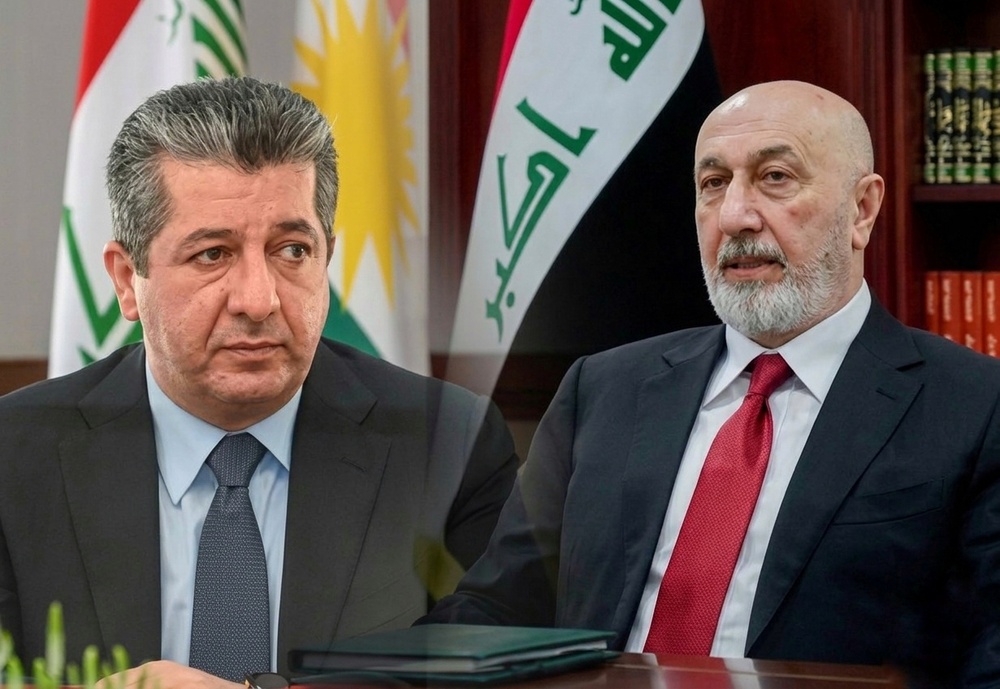
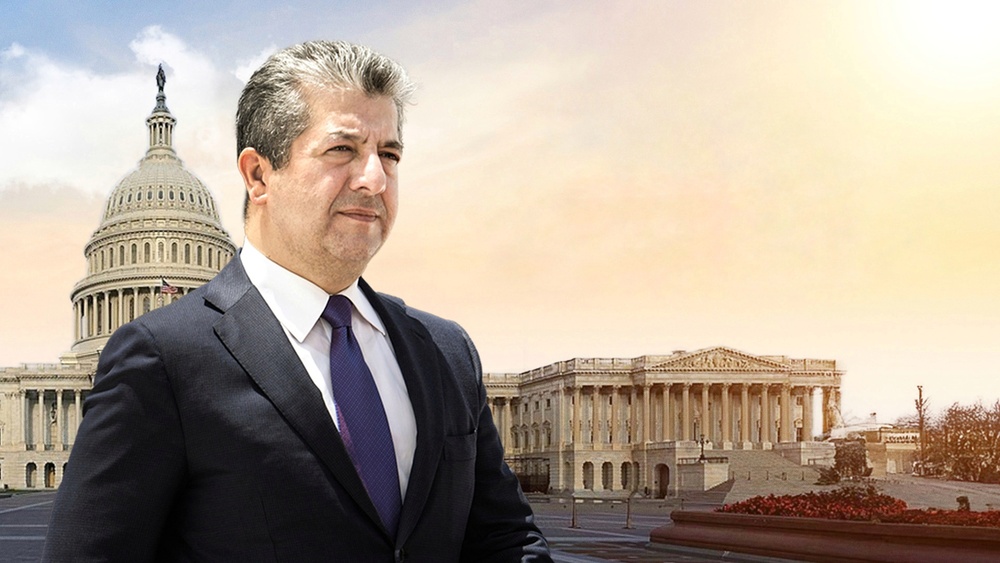
In other words, Türkiye has changed its line of alliance and cooperation with political forces **180 degrees**. Therefore, don't be surprised when Masrour Barzani goes to Erdogan and asks him to put pressure on both parties (Islamic Union and Jamaat Adalat) to form a government with the Democratic Party, Turkey responds by opening the Rabia Pass to the Democratic Party, and even the Islamic Union Party is asked to act as a mediator between the Democratic Party and the Patriotic Union, because Turkey does not want a government without the presence of Unity. This issue, rather than the will of the Turks, is the desire of Iraq and Iran that the patriotic union should not leave the scene (August).
One day after the negotiations between Iran and the US came to an end, Masrour Barzani rushed to Baghdad. Meanwhile, during the tensions between Iran and the United States, the Democratic Party was waiting for the end of the power of the Shiites and was obstructing the export of Iraqi oil! But the question is, why does Masrour arrive in Baghdad in such a hurry? This is so that the new equation of the region and Iraq will not be left out. Some say that he has gone for the issue of Cork company and Ibrahim Khalil crossing! But these two issues were the result of the same party policy which was considered part of the regional conflicts. From now on, instead of monthly trips to the Emirates, Masrour Barzani should go to Baghdad every month.
The last new development was that an opposition force against the rule of the Democratic Party and the Patriotic Union (ie Ittihad Islamic Party) becomes a mediator and a factor in bringing these two forces closer!! I ask you, where in the world does a so-called opposition force try to bring closer and improve relations with the ruling forces? While it does nothing to bring closer and improve the relations of the forces outside the power (opposition)? In other words, these forces are also guided by foreign plans and strategies, not for the benefit of the people!!
In the end, I want to say: Look and be careful, all these changes in the climate between the Patriotic Union and the Democratic Party on the one hand, and the changes that are happening in Baghdad on the other hand, are directly related to regional conflicts, which are also a reflection of international conflicts. For this reason, from now on, power equations and conflicts will be much different than what happened in Iraq and the region during the last (23) years.
The political and economic situation of the region will undergo many changes and from now on, the centrality of Iraq (the central government) will become stronger. So, my friends, I am talking more about the roots of the problems and the main players, not about the Democratic Party and the Patriotic Union and those forces that are merely tools and pawns of these regional and international powers. Once you understand these games, then you will easily understand the conflict between the forces inside the region and inside Iraq.
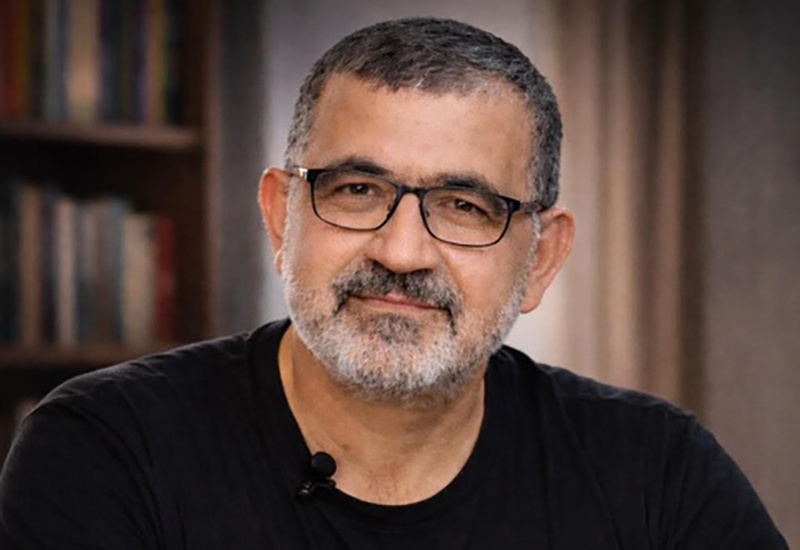
**Dilshad Majeed**


Your Comment