

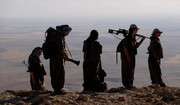
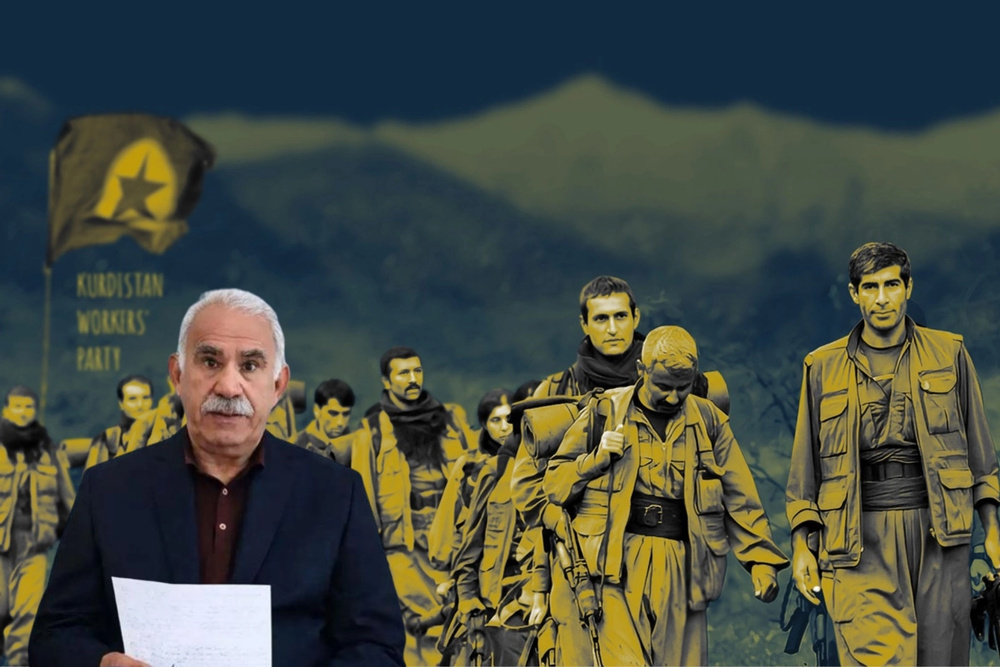
According to Kurdpress, reports regarding the evacuation of key PKK positions in the Gara Mountains—if confirmed—could represent the most significant development on the ground since the start of the new peace process between Turkey and the group. Unlike previous withdrawals from border areas such as Zap, Metina, and parts of Haftanin—which were carried out under direct pressure from the Turkish military—Gara is considered one of the PKK’s safest and most strategic strongholds deep within the Kurdistan Region; thus, abandoning it would not be viewed merely as a tactical relocation.
Over the past three decades, Gara has served as a vital link connecting Qandil, the Turkish border regions, Sinjar, and Syria; beyond its logistical role, it has housed the PKK’s training centers, command posts, weapons depots, and security infrastructure. Reports indicate that even the underground "Siyan" camp—considered one of the group's most fortified facilities—has been evacuated.
The significance of this development lies in the fact that, for the first time, the peace process has moved beyond mere withdrawal from conflict lines to impact the PKK’s core military infrastructure. If Gara has indeed been evacuated, this move could signal the beginning of the gradual dismantling of the group's military structure in the Kurdistan Region—a step that would make a return to the status quo far more difficult.
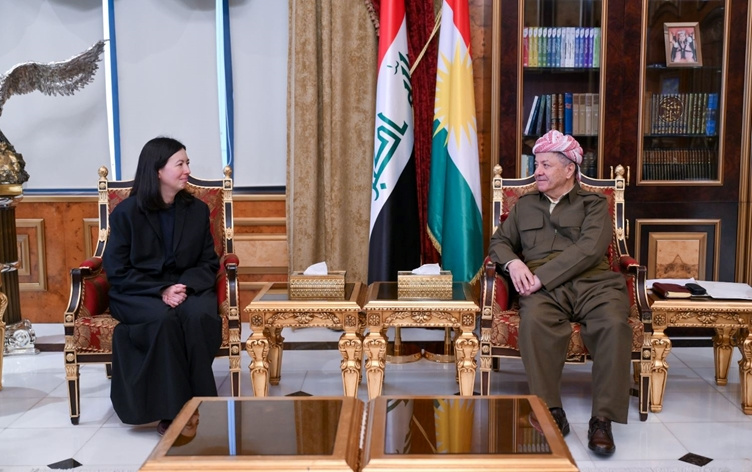
This development has also coincided with recent political and security maneuvers. The visit of Ibrahim Kalin, the head of Turkish intelligence, to Baghdad and Erbil—and his meetings with Iraqi officials, Masoud Barzani, and notably Bafel Talabani—indicate that negotiations regarding the post-disarmament phase have entered an operational stage. Many believe the Patriotic Union of Kurdistan (PUK) could play a significant role in organizing the future status of some PKK commanders and fighters; a matter that was likely a key focus of the recent talks.
In contrast, Qandil remains excluded from this process. It appears that Turkey and the PKK have reached a middle-ground solution: Qandil is to be maintained pending a final legal and political resolution regarding the fate of the group's commanders and fighters, while Gara is to be evacuated as a signal that the disarmament process has reached a point of no return.
However, a significant ambiguity remains: whether the Turkish military will establish a permanent base in Gara following the PKK's withdrawal, or vacate the area once the retreat has been verified. This issue could have a substantial impact on the future sovereignty of the Kurdistan Region and on security relations among Erbil, Baghdad, and Ankara.
All in all, the PKK’s withdrawal from the Kurdistan Region is no longer merely a matter of abandoning a few border outposts; rather—if reports regarding Gara are accurate—the peace process has entered a phase that directly targets the group’s military and logistical infrastructure, a phase that could mark a turning point in ending the PKK’s decades-long armed presence in the Kurdistan Region.
National Context


Your Comment