

According to Kurdpress, Senator Lindsey Graham—one of the most influential figures in the U.S. Republican Party and a close ally of Donald Trump—has passed away at the age of 71 following a sudden illness. His death marks the end of the political career of a highly influential senator in the realm of U.S. foreign policy—a politician who, in recent years, had frequently taken clear and impactful stances on developments in the Middle East, particularly regarding issues concerning the Kurds.
Graham’s office issued a statement announcing that he died on Saturday "following a brief and sudden illness." His family expressed their gratitude for the messages of condolence and requested that their privacy be respected during this time.
The American media "NBC News" also reported, quoting the wireless conversations of the rescue forces, that the emergency workers were sent to the senator's home in Washington on Saturday evening after receiving a report of a cardiac arrest.
Just one day before his death, Graham had returned from a trip to Ukraine and met with President Volodymyr Zelensky in Kiev.
The Republican senator from South Carolina was an influential member of the US Senate for more than two decades and played an active role, especially in the field of foreign policy, national security and Middle East issues. Graham was one of the politicians in favor of America's hostile approach in the region and the use of war to achieve America's goals and interests. In recent years, he had become one of Donald Trump’s closest political allies, although he occasionally expressed independent views on foreign policy matters.
Among American politicians, Lindsey Graham was one of the few senators who consistently took a stance on Kurdish issues in Iraq and Syria. He repeatedly warned against the withdrawal of U.S. forces from northern and eastern Syria, emphasizing that Washington should not abandon its Kurdish allies, who had played a pivotal role in defeating ISIS. Graham viewed a hasty U.S. troop withdrawal as a threat to regional security and a move that would pave the way for the resurgence of ISIS.
Following Turkey's 2019 military operation in northern Syria, he was also a vocal critic of the move and, alongside a number of U.S. senators, introduced measures to impose sanctions on Ankara. Graham had repeatedly emphasized the need to establish a mechanism to ensure the security of Kurdish-populated areas in Syria and prevent a security vacuum.
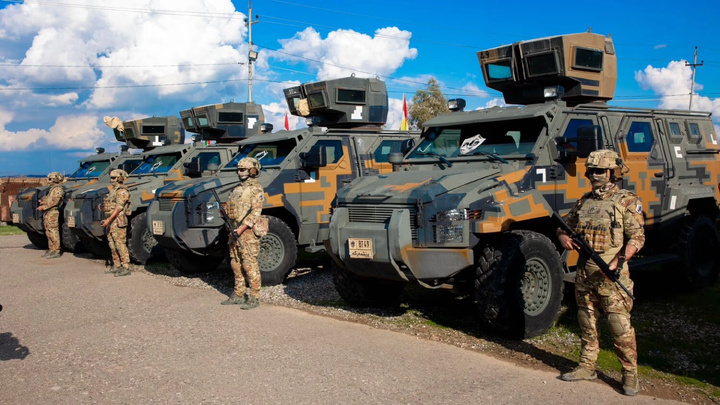
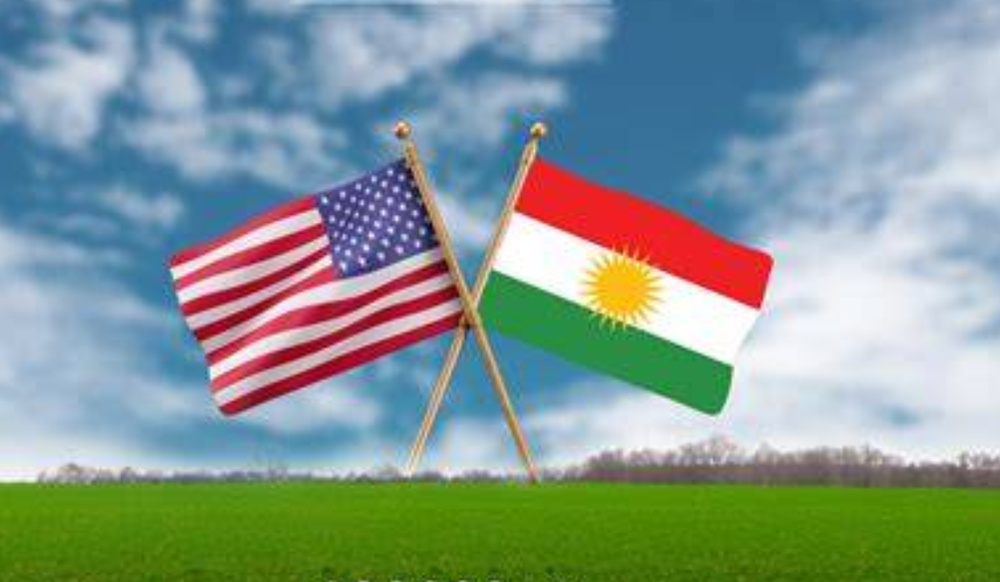
The senator's stance was not limited to Syria alone. In recent years, he frequently expressed support for the Kurdistan Region of Iraq and called for the resolution of disputes between Erbil and Baghdad through dialogue. Graham viewed the resumption of the region's oil exports as a crucial factor for economic and security stability in the area, and he underscored the importance of continued U.S. military cooperation with Peshmerga forces and sustained Washington support for the Kurdistan Region.
For this reason, Lindsey Graham’s name frequently appeared in reports over the years regarding developments in Iraqi Kurdistan, northern and eastern Syria, and U.S. policy toward the Kurds. His sudden death marks not only the end of the life of one of the longest-serving Republican senators but also the loss of one of the most prominent advocates in the U.S. Congress for continued American cooperation with the Kurds.






Your Comment