

Kordpress
While the accelerated developments in the Middle East have once again put the region on the verge of a costly reorganization, the Kurdistan region has inevitably been exposed to fateful choices; Choosing between entering into risky military equations or maintaining neutrality in the middle of the competition of regional and extra-regional powers. In such an atmosphere, different readings of the interests of the Kurds, the role of foreign actors and the real capacities of the climate to face the crisis are being formed.
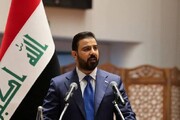
In this context, Kurdpress News Agency, in an interview with Dr. Ghalib Mohammad, a Kurdish representative in the Iraqi Parliament and a member of the Economic Commission of this institution, investigated the political, economic and security aspects of these developments and tried to analyze the options ahead of the Kurdistan Region in one of the most sensitive regional situations with a realistic view.
The text of the interview:
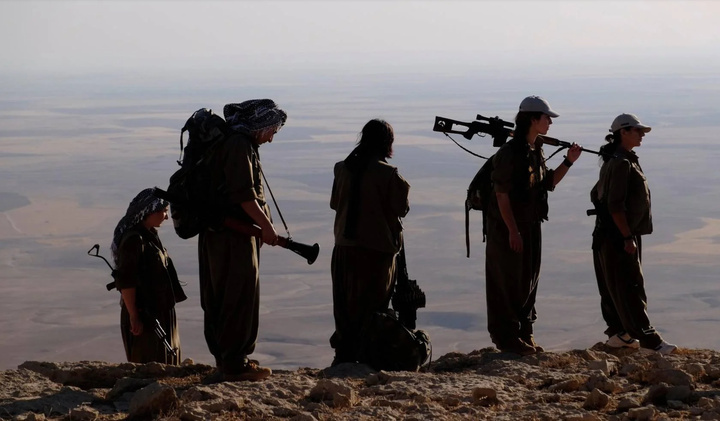
After these events that engulfed the Middle East and turned the region into a battlefield and chaos, most of the countries—including the countries involved in the war and even those who participate indirectly—their main goal is to protect their citizens in the first degree and to secure their economic interests and sources of income in the second degree. Changes are happening fast. In the meantime, if the Kurdistan region acts with tact, impartiality and in line with the interests of its nation, it can keep the region and its citizens away from any chaos. But if a decision is made against this and - as Trump says "Kurds are good fighters" - we enter this war, our future will be uncertain and this situation is like gambling with the fate of a nation.
How do America and Israel see the Kurds?
America currently follows a completely different policy; a policy based on money and trade. It can be clearly said that the interests, freedom or welfare of any other nation is not a priority for him. If he brings the Kurds into this war, it will be for a specific purpose, and then he will abandon them—and we have experience of such behavior.
Therefore, a positive response to Trump—in a situation where there is serious opposition even within the United States and the hashtag "send your child to war, not our children" has become popular among the American people (that is, the Americans themselves want their troops not to be sent to war with Iran)—for us, it means to risk the lives of our Peshmerga for a country that seeks commercial interests. Such an action would be a big mistake and the Peshmerga should not accept it; rather, they should tell Masoud Barzani: Send your children to war, they are good fighters.
What has Iran done?
Iran is our neighboring country and has the largest volume of trade with the Kurdistan Region (now that it has limited its borders, the increase in the price of goods can be clearly seen).
Iran has always opened its arms to its citizens in all the crises that the country has faced. Throughout history, from the past to the present, every time the Kurds have been displaced—which has been 9 times—Iran has accepted them.
From a military point of view, Iran is one of the regional powers. What can be used to fight Iran? If America and Iran reach an agreement and reach the stage of stopping the war (which there is such a possibility), then what will happen to the Kurds who entered the war with their neighbor? Do only Kurds live in Iran? There are also Azeri and Baluch; why don't they enter the equation and we are the ones who have to be used as tools?
Therefore, the best decision for the Kurds is neutrality and silence and trying to maintain peace in the climate; as the federal government of Iraq also acts in the face of this situation.
Your Comment