

According to Kordpress, Sara Glynn, an analyst of Kurdish issues in Australia, in her latest report, instead of focusing on obvious developments, focused on "what is not happening"; This means stopping the process that was supposed to lead to peace in Turkey, as well as the wide obstacles that have been put in the way of the integration of the Kurdish regions of northern and eastern Syria into the new structure of this country
Türkiye; The peace process is deadlocked
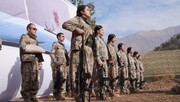
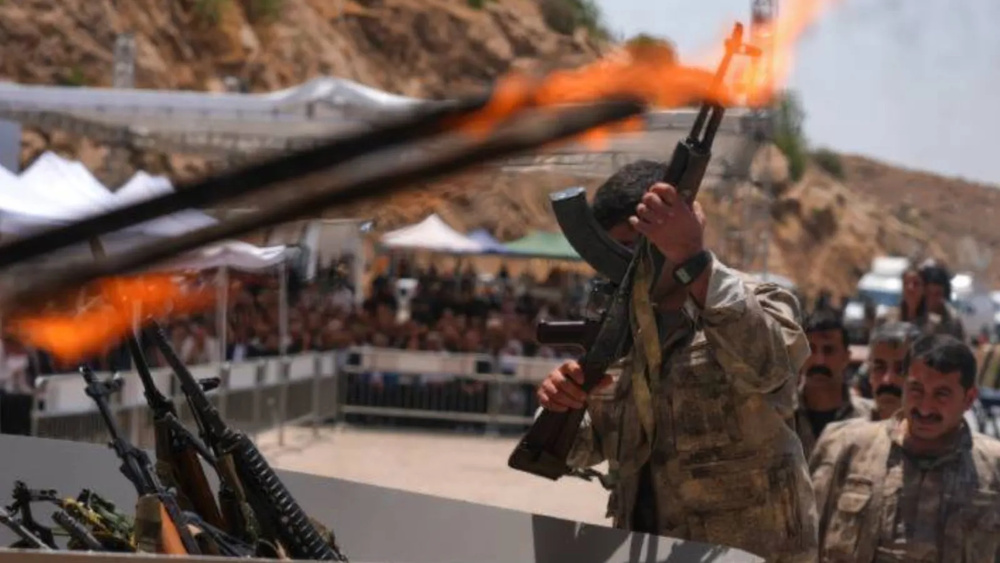
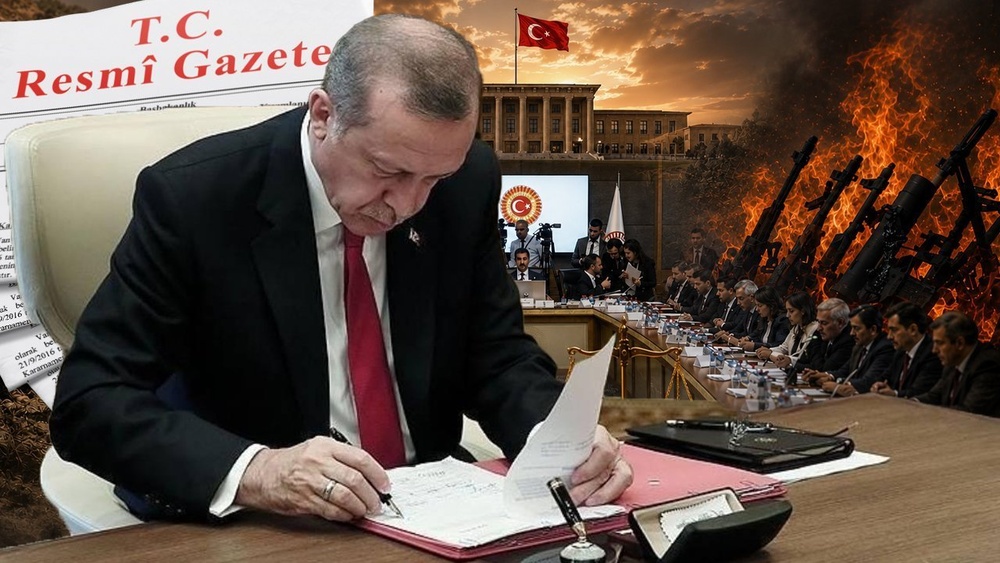
According to Glynn, talks about the so-called peace process in Türkiye are practically at a standstill. The Justice and Development Party government is trying to blame the Kurdistan Workers' Party (PKK) for the shutdown and claims that the group did not take further steps to disarm after a symbolic act of burning weapons.
However, critics say no force will lay down its arms without receiving assurances about its political and security future. From their point of view, if the real goal is to end the violence, the Turkish government should provide clear guarantees about the fate of the forces involved, the political rights of the Kurds, and legal reforms.
People's Equality and Democracy Party (DEM Parti) has also emphasized that the implementation of basic rights, according to the judgments of the European Court of Human Rights, should not be conditioned by the actions of the PKK.
Glin believes that the Turkish government is trying to erode the process by giving minimum points. According to him, Ankara is worried that any lasting peace will strengthen the organization of the society and increase its political weight. Therefore, prolonging the process can be a tool to weaken the social dynamics of the Kurds.
Meanwhile, the pressure on the domestic opposition continues, and two more mayors from the People's Republican Party (CHP) were arrested last week. According to this analyst, if some Kurdish political prisoners are released in the future, this action may not be a sign of democratization, but part of an effort to create a rift between the DEM and the CHP.
Also, the Turkish government has formed a new department to investigate "unsolved murder cases", but the Minister of Justice has stated that this institution will only investigate "some" of the past cases; An issue that has reduced hopes for clarifying the fate of the disappeared Kurds in the 1990s.
Syria; Undermining the achievements of the Kurds
In another part of his report, Glin writes that the situation of the Syrian Kurds is directly linked to the developments in Türkiye. According to him, the Turkish government is against any kind of Kurdish autonomy in the region, and this issue has cast a shadow on the formation of the new Syria.
According to him, the support of Turkey, the United States and some western powers to Ahmed al-Shara, the interim president of Syria, has weakened the hope of the Kurds to maintain the self-governing structure of northern and eastern Syria and the political model based on women's participation and multi-ethnic coexistence.
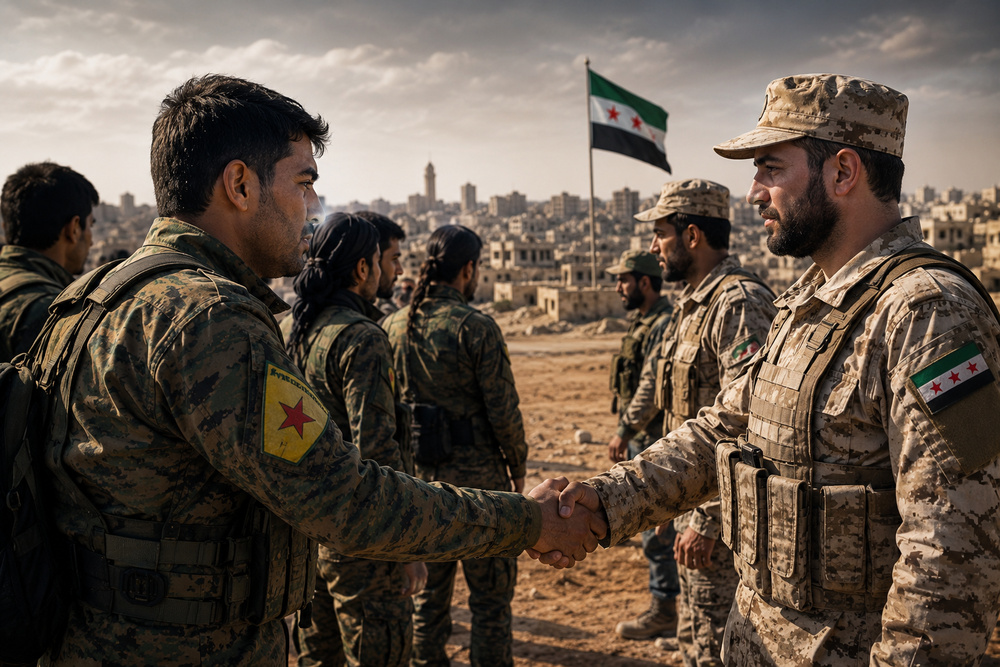
As a result, the Kurdish forces were forced to sign an agreement with the Syrian Transitional Government, according to which the self-governing structure would be integrated into the framework of the central government. But Glynn emphasizes that the agreement of January 29 was not the end of the story, but the beginning of a new phase in which Damascus and its supporters try to leave the smallest possible part of Rojava's political and social structure.
He points to examples of this trend:
Women nominated to manage government institutions are not appointed to the desired positions;
The names of the schools attributed to the killed Kurds will be changed;
Dozens of young Kurds have been arrested and transferred to unknown places;
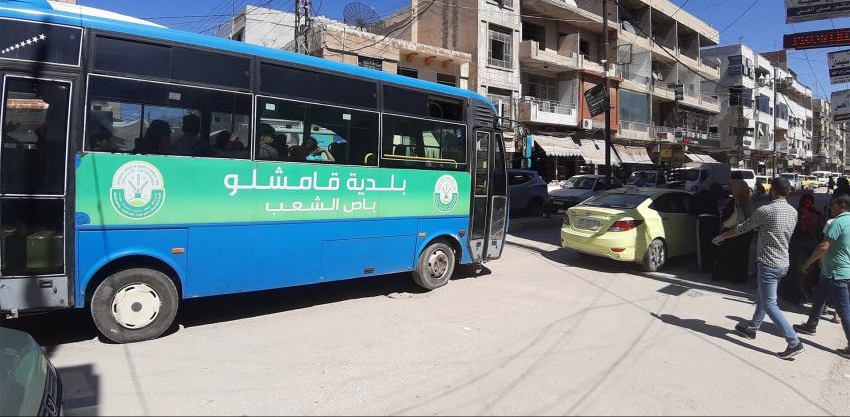
Attempts have been made to return Baath-era judges to replace Kurdish judges in Qamishlo;
Many families who returned to Afrin have not yet been able to reclaim their homes from the armed forces supported by Türkiye;
The representatives of the island region in the future Syrian parliament will also be determined through non-electoral mechanisms.
Europe; Silence in the face of developments
Glynn writes that the European Union has also remained indifferent to these trends and has practically supported the transitional government by proposing a full resumption of the cooperation agreement with Syria.
According to him, one of the reasons for this approach is the efforts of European countries to reduce the wave of immigration. Now that the situation in Syria is considered "improved" in the eyes of some governments, fewer Syrian citizens are receiving asylum in Europe.
He also believes that immigration concerns, along with economic and security considerations, have made Europe reluctant to criticize Turkey. However, Ursula von der Leyen's reference to Türkiye alongside China and Russia as a threat to Europe provoked reactions; The reaction that was partially moderated by Charles Michel's stance in support of Türkiye's strategic role.
At the end, Glynn criticizes the official use of the title "Terror-free Turkey initiative" by some European institutions and says that such terms accept the narrative of the Turkish government and reduce the Kurdish issue to terrorism, while the main issue is Kurdish political and civil rights.
Your Comment