Hasaka
-
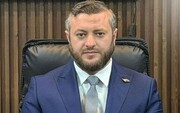
13 people arrested following recent incidents, tensions and attacks in Sarkani
Syria Service - The deputy governor of Hasakah announced that 13 people have been arrested following recent incidents, tensions and attacks in the city of Sarkani, and investigations are ongoing to identify other suspects. He emphasized that security forces have taken action to control the situation and that the process of returning refugees to the city has not been stopped and will continue as planned.
-
The Syrian Democratic Council called for an investigation into the attack on the convoy of returning refugees from Sarkani
The Syrian Service - MSD condemned the attack on the first convoy of refugees from Sarkani who had set out to return to their areas and called on the Syrian interim government and the responsible parties to conduct an immediate, transparent and independent investigation to identify and punish the perpetrators of this attack.
-
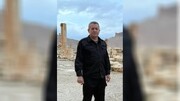
A number of perpetrators of the attack on the returned refugees to Sarkani were arrested
Syria Service - Mahmoud Khalil, deputy commander of the internal security forces of Hasakah province, announced that following the attack on the Kurdish residents of Sarkani who were returning to their homes, a number of people related to these incidents have been arrested, and search and investigation operations to identify other people involved are still ongoing.
-
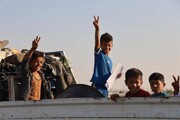
The first convoy of displaced people from Sarkani left for their hometown
Syria Service - The first convoy of displaced people from Sarkani, consisting of about 400 families, left for their hometown after seven years of displacement today from the village of "Tuyan" on the outskirts of Hasakah and the Washukani camp.
-

30% increase in basic goods prices in Hasakah
Syria Service - The director of domestic trade and consumer protection in Hasakah announced a 10 to 30% increase in basic goods prices in the province over the past month, and considered the high cost of fuel, dollar transactions and increased customs tariffs to be the main factors; he also announced that the process of integrating the economic institutions of the autonomous administration with the ministries of the Syrian interim government has progressed by 95%.
-
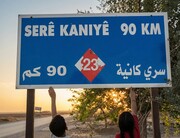
Return of displaced people from Sarkani postponed
Syria Service - Security officials in Hasakah province announced the postponement of the return of the first convoy of displaced people from the city of Sarkani due to the lack of infrastructure and logistical requirements and announced that, according to the new plan, 648 families will return to their city from Monday, August 10, within the framework of the January 29 agreement.
-
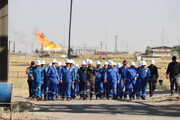
Syrian Kurdistan oil production to reach 250,000 barrels per day by the end of 2027
Syria Service - Following the signing of a 25-year cooperation agreement between the Syrian Oil Company and the American company HKN, the two sides announced the implementation of a plan to increase oil production from 100,000 to 250,000 barrels per day by the end of 2027, by starting field visits to the oil and gas facilities of Syrian Kurdistan.
-
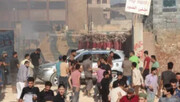
Consequences of the protests in the Kurdish regions of Syria
World Service-Haed Haed, a writer for the magazine "Al-Majla", believes that if Damascus does not respond to the demands of the residents of Hasakah and does not expand political participation, the protests could turn into a widespread and destabilizing crisis in northeastern Syria.
-
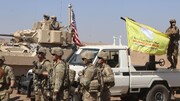
Will the Syrian Kurdish-led force be dissolved?
World Service - The Syrian Democratic Forces, which have been considered the most important military force of the Syrian Kurds for the past decade, may soon be replaced by a new structure within the framework of the Syrian government; a development whose consequences will go beyond the military sphere.
-
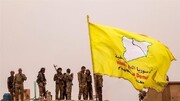
Dissolving the Autonomous Administration and the SDF does not mean eliminating them
Syria Service - "Sihanouk Dibo", the representative of the Autonomous Administration in Damascus, announced that the dissolution of the Autonomous Administration and the SDF will not mean the end of their activities or the elimination of these institutions, but rather, within the framework of the process of integration with the structure of the Syrian government, these groups will continue to operate with a changed structure and political identity.
-
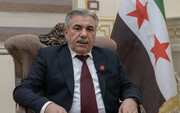
"Noureddine Ahmed", Governor of Hasakah:
70% of the process of merging government institutions in Hasakah province has been completed
Syria Service - The Governor of Hasakah announced that the process of merging and activating government institutions in this province has reached an advanced stage and about 70% of it has been completed so far. According to him, thousands of employees in the education, health, electricity and other service institutions have been integrated into the structure of the Syrian government.
-

"War tents" in Hasakah failed to change the political equations and balance of power in northern and eastern Syria
Syria Service - An analyst of Syrian affairs, examining the recent developments in Hasakah, believes that the establishment of "war tents" under the title of tribal representation, although carried out with the aim of increasing political pressure simultaneously with the negotiations between Damascus and the autonomous administration, ultimately failed to change the balance of power and showed once again that the future of northern and eastern Syria depends more on the process of negotiations and political agreements than on being determined on the ground.
-
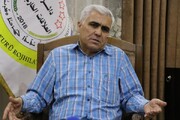
Relations between Kurds and Arabs should not be damaged
Syria Service - Khaled Ibrahim, a member of the Hasakah Provincial Council, announced the development and implementation of a comprehensive plan for the return of displaced people from Afrin and Sarkheni, and announced that more than 13,000 displaced families are waiting to return to their areas. He also emphasized the need to maintain the coexistence of Kurds and Arabs, resolve the problems of the region through dialogue, resolve the Hasakah water crisis, and support international institutions for the reconstruction process and stabilize security.
-
The reason for the uprising and mobilization of Syrian Arab tribes against the Kurds
World Service - According to a professor at the University of Oklahoma in America, the dissatisfaction of Arab tribes in Deir Ezzor and Hasakah is not simply ethnic in origin, but rather due to the economic crisis, competition over oil resources, and the feeling of being excluded from the new Syrian power structure.
-

different accounts of the integration of the Kurdish structure into the Damascus government
World Service- While the Syrian ambassador described the integration process as “miraculous”, the UN has announced that negotiations on the most important issues between Damascus and the Syrian Democratic Forces are still ongoing.
-
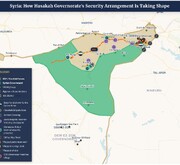
Damascus' strategy to consolidate influence in the Kurdish areas of Syria
World Service - The formation of the temporary executive office of Hasakah province, with the presence of most figures close to the Syrian Democratic Forces, at first glance seems to benefit these forces, but an examination of the developments shows that Damascus, by handing over some administrative positions, is gradually consolidating its security, judicial, and institutional influence in northeastern Syria; a strategy that could ultimately lead to the complete integration of the autonomous structures into the central government.
-
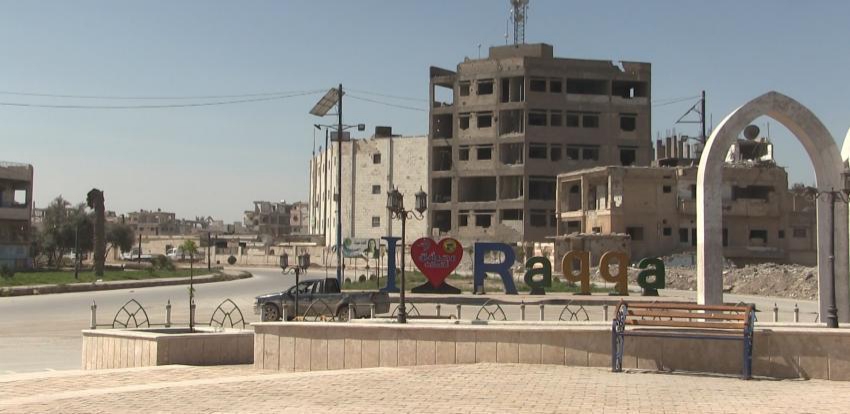
Warning about the intensification of discrimination against Kurds in Raqqa
World Service - The Syrian Observatory for Human Rights, referring to the arrest and kidnapping of 15 Kurdish citizens in the last two weeks, considered this trend a sign of the intensification of discrimination and violation of the rights of Kurdish citizens.
-
9 killed in various incidents in Syria over the past 24 hours
Syria Service - Local Syrian sources announced that at least 9 people were killed in various parts of the country in the past 24 hours due to shootings, family conflicts, attacks by unknown gunmen and explosions of mines left over from the war.
-

Democratic Union Party (PYD):
The process of forming the Syrian People's Assembly does not reflect the true will of society.
Syria Desk – Criticizing the process of forming the Syrian People's Assembly, the Democratic Union Party (PYD) stated that the mechanism for selecting the body's members failed to ensure genuine representation for the various segments of Syrian society. Expressing concern over the continued marginalization of Kurds, the party called for the adoption of a democratic approach and guarantees for the equitable participation of all components of society in the country's political structure.
-
The native Kurds of Afrin should take over the administration of this region
Syria Service - The joint spokesperson of the Afrin Human Rights Organization announced the end of the process of the return of refugees from this region, while referring to the return of the majority of refugees in 2018, demanding the transfer of the management of Afrin to the native Kurds of Afrin and the withdrawal of armed groups and their families from this area.
-

Two children from Saudi Arabia were handed over to their families by the autonomous administration
Syrian Service - The autonomous administration handed over two children from Saudi Arabia, who were kept in support centers in northern and eastern Syria for years, to their families.
-
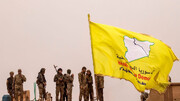
8 thousand SDF forces are still outside the Syrian military structure
Syrian Service - An official source in the SDF announced the continuation of the process of integrating these forces into the Syrian Ministry of Defense and announced that despite the organization of part of the forces in the form of three new brigades and the joining of thousands of people to the security institutions, about 8 thousand SDF forces have not yet joined any military or government security structure.
-

The control of the American company over the oil of Kurdish regions of Syria
World Service - The 25-year agreement between Damascus and the American company HKN on the seven oil fields of Remilan is considered not only an economic contract, but also a part of the process of gradual integration of the SDF-controlled areas into the structure of the central government of Syria.
-
The opening of the Nasibin-Qamishlo border crossing was postponed
Syria Service - The governor of Haskeh announced that the opening of the Nasibin-Qamishlo border crossing on the border of Syria and Türkiye has been postponed, and this crossing will not be reopened this week, contrary to previous predictions.
-

The appointment of "Mohammed Shoghi" as the co-chairman of the Economic Board of Self-Governing Management as the internal commercial manager of Haske
Syria Service - Following the implementation of the January 29 agreement between the interim government of Syria and the SDF, Mohammad Shoghi Mohammad, the co-chairman of the Economic and Agricultural Board of the Autonomous Administration, was appointed as the director of the Internal Trade and Consumer Protection Department of Haskeh province.
-
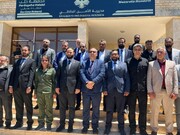
The governor of Aleppo entered Kobani on an official visit
Syrian Service - The governor of Aleppo headed an official delegation entered the city of Kobani to discuss the latest developments in the region, the process of the institutions and the needs of the stage of integration and coordination between the administrative structures in a meeting with the local officials, elders and elders of the region.
-
The official start of the integration of the Syrian Kurdistan Relief Forces into the structure of the Syrian Ministry of Interior
Syrian Service - The deputy commander of the internal security forces of Haskeh province announced the official start of the process of integrating the security forces of Syrian Kurdistan into the Syrian Ministry of Interior and announced that in the first phase, 100 security officers will join the internal security forces of this ministry while maintaining their rank and organizational position.
-

Three big challenges of Syrian Kurds
World Service - According to the director of the Kurdish Peace Institute, at the same time as the gradual integration of northeastern Syria into the structure of the transitional government, the Kurds face three simultaneous challenges; The gradual elimination of the Kurdish language and identity, the limitation of the role of women in the power structure, and the increasing control of Damascus over the economic resources of the region are faced.
-

The uncertain future of the agreement between Damascus and the SDF
Syria Service - A few months have passed since the signing of the integration agreement between the interim government of Syria and the Syrian Democratic Forces, reports indicate a significant gap between the provisions of the agreement and the process of its implementation. While this agreement was drafted with the aim of consolidating the ceasefire, guaranteeing the rights of local communities and integrating administrative and security structures, sources close to the autonomous administration criticize the reduction of local powers, the limitation of the role of women, the ambiguity of the status of prisoners, the continuation of human rights violations and the neglect of the political and cultural rights of the Kurds.
-
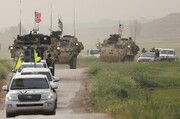
Pentagon report about the end of the alliance between the US and the Kurds in Syria
World Service- The new report of the inspector general of the US Department of Defense shows that the military developments in the north and east of Syria in the winter of 2026 have led to the end of Washington's decade-long cooperation with the Syrian Democratic Forces (SDF) and the US has replaced the support of the Damascus government with the Kurdish forces in the framework of its new strategy. A process that has led to the gradual integration of QSD into the structure of the Syrian government.