

According to Kurdpress, the peace process between Turkey and the Kurdistan Workers' Party (PKK), which was recently renamed to the Apuyi Movement, has entered a stage that is not limited to the internal relations between Turkey and the Kurds, but has also changed the political and security arrangements of the region. This process has now affected Ankara's relations with Kurdish actors in Iraq and Syria, and even the relations between the Kurdish parties in the region have entered a new phase in which the fate of these actors is more dependent on each other than before.
In the meantime, the Iraqi Kurdistan Democratic Party based in Erbil has become one of the main actors in mediating between Damascus and the Syrian Democratic Forces (SDF). The development came after fierce clashes between Damascus-aligned forces and Kurdish forces in northeastern Syria eventually led to a fragile deal to merge.
According to this agreement, the SDF forces are supposed to be integrated into the structure of the Syrian army, and the central government of Damascus will take full control of the areas under the administration of these forces. At the same time, Türkiye's attempt to solve the "Kurdish issue" inside the country has also provided the ground for reducing Ankara's long-standing tensions with the Patriotic Union of Iraqi Kurdistan.
Türkiye and new confidence in regional politics
The developments of recent years show that Türkiye's regional policy is pursued with more confidence. In December 2024, the Syrian opposition forces supported by Ankara were able to overthrow the Baath government in Damascus; An event that significantly strengthened Türkiye's position in the Syrian equation.
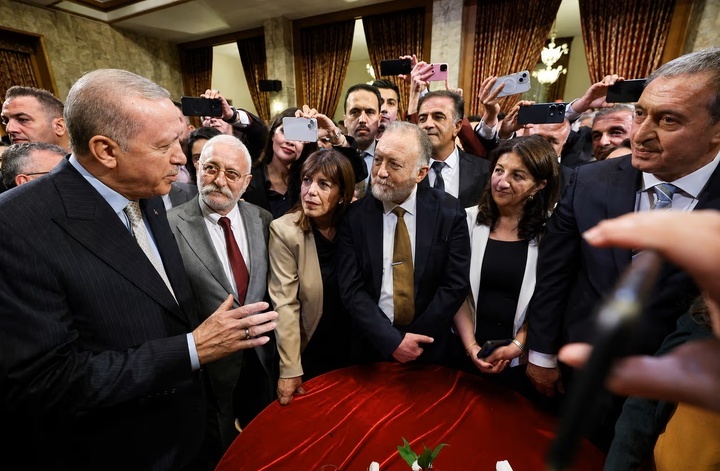
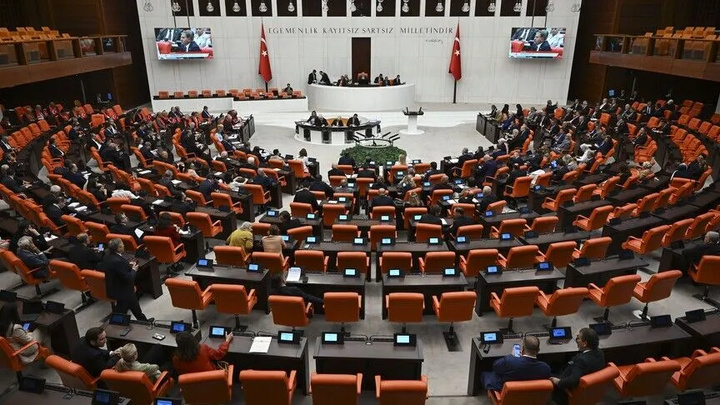
Meanwhile, the process of ending the decades-long conflict between Türkiye and the PKK has entered a serious stage. After announcing the PKK's readiness to disarm in May 2025, the special commission of the Turkish Parliament, with the support of pro-Kurdish parties, is following the process of implementing the agreement.
Experts believe that this time, Ankara tried to learn from the experience of the failure of the peace talks of 2013-2015, which eventually collapsed due to ignoring the issue of the Syrian Kurds. Now the agreement between Damascus and the SDF has reduced part of Türkiye's security concerns in Syria.
However, Türkiye's regional concerns persist. One of the most important concerns of Ankara is the possibility of Israel supporting the PKK and the Syrian Kurdish forces to curb Türkiye's influence in the region. For this reason, the Turkish government has tried to manage possible threats on its southern borders while reducing internal tensions.
Iraq; From security competition to reconciliation efforts
Northern Iraq is still one of the most important areas of competition and interaction between Türkiye and Kurdish actors. Over the past years, the Turkish army has expanded its military presence in the border regions of Iraq and intensified operations against the PKK; An action that has been repeatedly protested by Baghdad and some Kurdish currents.
Although Türkiye's relations with the Kurdistan Democratic Party of Iraq have been close and strategic, Ankara's relations with the Patriotic Union of Kurdistan have been tense in recent years. Türkiye has repeatedly accused Sulaimaniyah of indirect cooperation with the PKK, and this issue has deepened the gap between the two main parties of the Kurdistan Region.
Türkiye's drone attacks in areas close to the area of influence of the Patriotic Union, showed that Ankara does not set many limits in pursuing its security goals in Iraq.
However, over the past year, there have been signs of a reduction in tension between Türkiye and Sulaimaniyah. The hosting of the Patriotic Union of the disarmament ceremony of the PKK forces was a sign of the party's willingness to participate in the peace process.
In response, Türkiye canceled the multi-year ban on flights to Sulaymaniyah in October 2025. This decision can be a prelude to the expansion of economic and commercial cooperation between the two sides.
In addition, Turkey's support for handing over the temporary governorship of Kirkuk to a Turkmen figure close to the Iraqi Turkmen Front - contrary to the position of the Kurdistan Democratic Party - is seen as another sign of the gradual rapprochement between Ankara and the Patriotic Union.
Although the Kurdistan Democratic Party may consider the expansion of relations between Türkiye and the Patriotic Union as a threat to its traditional position, the new regional atmosphere is based on de-escalation and reconciliation more than in the past.
Syria; From confrontation to cautious cooperation
Relations between the Kurdistan Democratic Party of Iraq and the Syrian Democratic Forces were always affected by the dispute over the PKK in the past years, but recent developments have changed this equation.
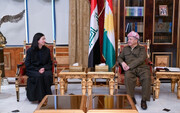
Now that Erbil is one of the main guarantors of the agreement between Damascus and the SDF, Mazloum Abdi's frequent meetings with Masoud Barzani have become a symbol of the closeness of the two sides.
This show of Kurdish solidarity is politically important for both the Kurdistan Democratic Party and the SDF commander. However, the Syrian Kurdish forces need political and regional support more than before after the recent retreats against Damascus-affiliated forces.
Strengthening relations between Erbil and SDF is also important for Türkiye. Ankara is now close to the conclusion that if the Syrian Kurdish forces are integrated into the structure of the Damascus government and do not pose a security threat to Turkey, the stage of absolute confrontation can be passed.
Turkish Foreign Minister Hakan Fidan also recently emphasized that Syrian Kurdish forces should enter into a "historical transformation" that does not threaten Turkey's security.
On the other hand, Syrian Kurdish leaders have also realized the need to reduce tension with Ankara. Aldar Khalil, one of the leaders of the Democratic Union Party, said in a statement that without Türkiye's consent, many regional agreements will remain unfinished.
The beginning of a new stage in regional equations
Recent developments cannot be considered the end of disputes, but the region has undoubtedly entered a new phase. Although the complete normalization of relations between Türkiye and the Syrian Kurdish forces still seems out of reach, the possibility of direct talks and even the visit of the Syrian Kurdish leaders to Ankara is no longer a far-fetched scenario.
If this trend continues, economic cooperation between Türkiye, Iraq and Kurdish areas of Syria; Especially in the field of energy, reconstruction and trade can also be expanded.
However, the future of the region remains uncertain. The increasing pressure of America and Israel on some countries in the region and intensifying the competition of regional powers can all change the current equations.
Despite this, recent developments show that Türkiye has come to the conclusion that it cannot define its security and stability apart from the fate of the Kurds in the region.





Your Comment