

According to Kurdpress, Rami Abdul Rahman, director of the Syrian Observatory for Human Rights, announced that despite the efforts of the transitional government in Damascus to gain legitimacy and international recognition, the situation of Kurds in different regions of Syria is deteriorating and cases of violations of their rights continue.
According to him, the January 29 agreement between the government of Damascus and the Syrian Democratic Forces (SDF), which was signed with the aim of resolving military, administrative and political disputes, as well as the gradual integration of existing structures, has not been fully implemented after more than three months. Abdul Rahman emphasized that the main issues, including the release of prisoners, the reconstruction of security structures and determining the status of strategic areas, remain unresolved.
He considered Kobani to be one of the most important points of dispute and said that this city, in addition to its symbolic importance for the Kurds, also has a special place from a strategic point of view, and there are still disagreements between different parties about its administrative and security future.
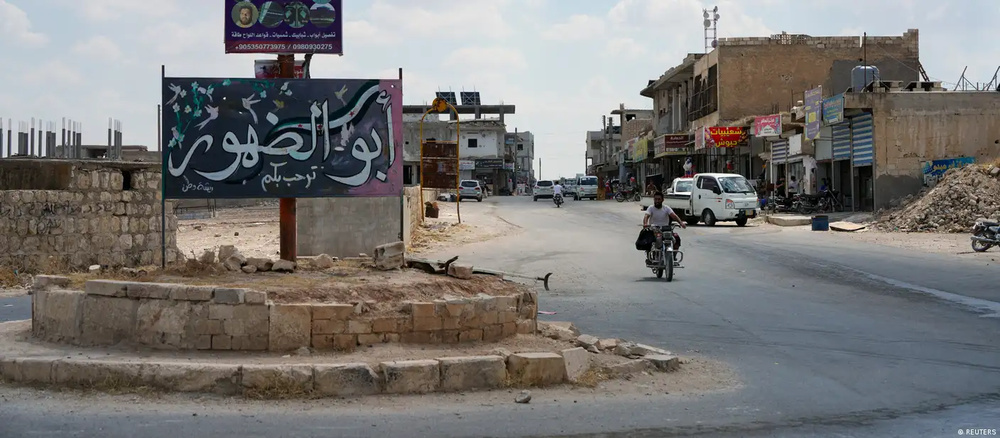
The director of the Syrian Observatory for Human Rights also mentioned the situation of the Kurdish refugees and said that the return process of the residents of Afrin and Srikanyeh (Ras al-Ain) has practically stopped. According to him, although a few caravans returned to Afrin in March and April, the returns did not continue and so far, almost no progress has been made in the return of the displaced to Sri Kanye.
He also announced the intensification of insecurity in the Arab-populated areas, from which the SDF forces had retreated during the recent attacks. According to him, a wide security gap has been created in Raqqa, Taqa and Deir ez-Zor, public services have collapsed and protests against the new power structures have increased.
The director of the Syrian Observatory for Human Rights emphasized that the Kurds in these areas are particularly targeted. He said that in April alone, at least 15 Kurds were arrested in Raqqa and one more person in Deir Ezzor, and at the same time houses, shops and business units belonging to Kurds were confiscated. According to him, several cases of forced evacuation of houses and confiscation of bakeries, restaurants and industrial centers have been recorded.
Rami Abdur Rahman also announced the increase in pressures in the field of education and said that Kurdish students in some areas have been deprived of receiving educational certificates, educational files and exam documents.
He described the situation in the Kurdish neighborhoods of Aleppo, especially Sheikh Maqsood, as "very worrying" and said that severe travel restrictions, checkpoints, lack of water and electricity, and limited access to the media and independent observers have created difficult conditions for the residents of these areas.
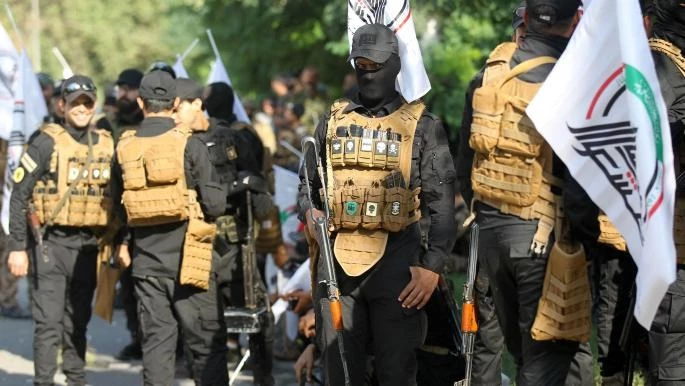
The director of the Syrian Observatory for Human Rights also accused groups such as "Sultan Suleiman Shah" (Al-Amshat) and "Hamza Sect" of arbitrary arrests, torture and systematic extortion and said that these groups continue to operate outside the government's control despite their formal integration into the new Syrian military structure.
In the end, Abdurrahman warned that the continued activity of armed groups outside the framework of the government, the lack of accountability mechanisms and the intensification of ethnic and political tensions have led Syria to "controlled instability"; A situation in which gradual changes occur, but there is no clear perspective for the country's political and security stability.


Your Comment