

According to Kurdpress, the Interior Ministry of the interim government of Syria announced that more than 10,000 Kurdish citizens have applied for birth certificates and official identity documents. This action is taken after decades of depriving some of the Kurds of this country from the right of citizenship.
In an official statement, the ministry announced that the process of registering applications has started within the framework of Decree No. 13 of 2026 and so far, the applications of 2,892 families have been registered. According to published statistics, these requests include a total of 10,516 people.
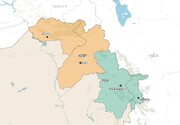
According to the announcement of the Ministry of Interior of the interim government of Syria, the largest number of requests was related to Haskeh province; where 2,772 families have registered to receive identity documents. After Hasaka, the city of Aleppo with 75 requests and Damascus, the capital of Syria, with 32 requests are in the next ranks. It is also reported that a number of citizens have applied for registration in Raqqa and Deir ez-Zor provinces.
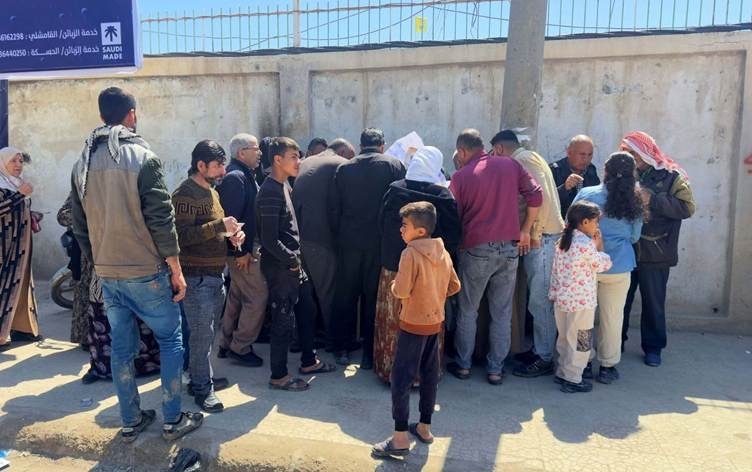
The registration centers in Damascus and the Kurdish regions of North and Northeast Syria have started their activities since April so that the citizens who have lived for years without birth certificates and official documents can organize their legal status. The registration process is currently ongoing in five Syrian provinces.
The interim government of Syria initially set a month for the implementation of this process, but officials have announced that there is a possibility of extending this deadline.
Why were many Syrian Kurds without birth certificates?
The problem of statelessness of Kurds in Syria goes back to the special census of 1962 in Haskeh province. As a result of that census, nearly 200,000 Kurds were deprived of the right to receive citizenship and birth certificates and were known as "alien" or "Maktum" (people whose names are not in any official register).
This situation caused a large part of Syrian Kurds to be deprived of basic rights such as education, official employment, property ownership and freedom of movement for about 6 decades.



Your Comment