

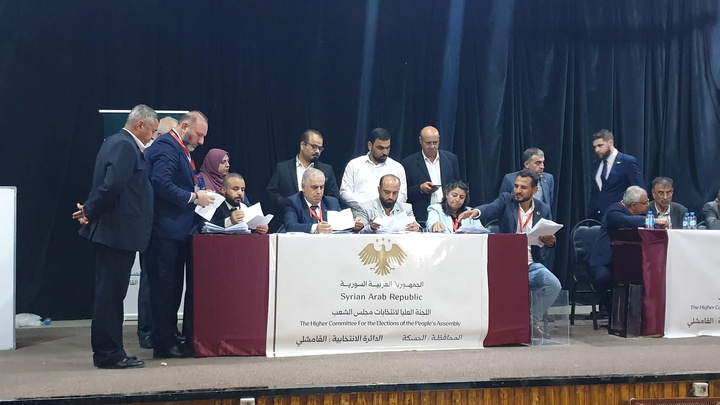
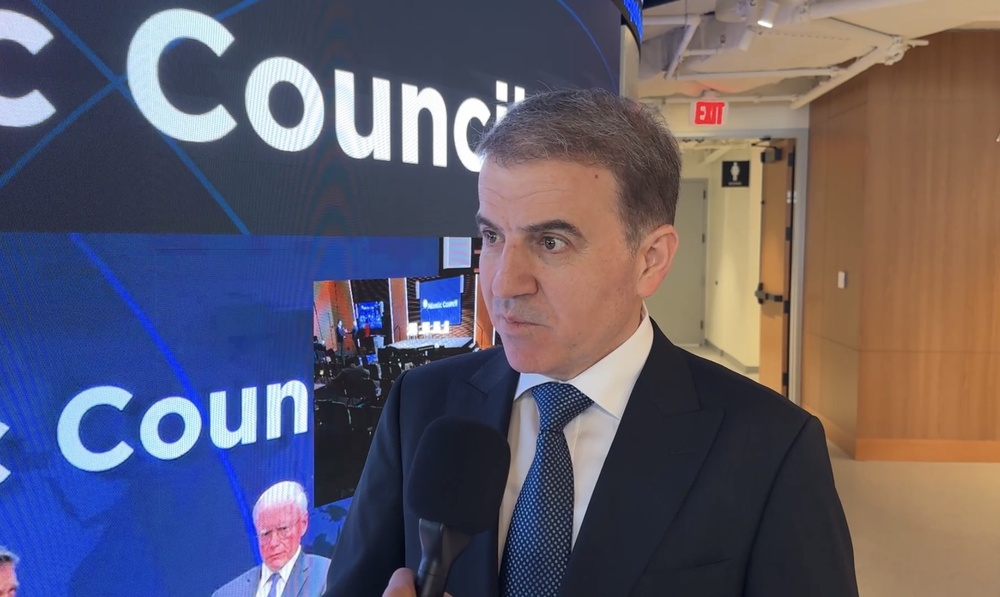
According to Kurdpress, two different but overlapping assessments of the recent Syrian parliamentary elections in the Kurdish regions, in a discussion between "Megan Bodt", the head of the Kurdish Peace Institute, and "Seth Franzman", an expert on Middle East issues, on the X social network, present a complex picture of the political and generational divides in the north and east of Syria; Gaps that are not limited to differences between parties, but also to the difference in the historical experience of generations, the concept of autonomy, and even the definition of "political participation".
In her analysis, Megan Bodet first emphasizes the generation gap in the Syrian Kurdish society. According to him, the Kurds who had political experience before 2011 consider the current situation as a kind of progress compared to the Baath regime. This generation considers even the possibility of "claiming rights" as a political achievement; Because there was basically no such space in the past. But the younger generation, which entered the political sphere after the formation of Kurdish self-government, has a different view. From the point of view of this generation, the integration of self-governing structures into the Syrian central government is a retreat and surrender of established achievements, not a political success.
Boudet explains that the older generation grew up politically in a period when it was believed that the Syrian Kurds could not be the main actors of the Kurdish movement in the region and that the main developments should first take place in Turkey or Iraq. Even the Kurdish areas of Syria were called "Little Bashur"; A reference to the idea that the Kurdistan Region of Iraq is the center of gravity of the Kurdish issue. But the younger generation was formed in an atmosphere where the Syrian Kurds saw themselves at the center of regional developments; A generation that witnessed the presence of volunteers from Diyarbakir, Erbil, Mahabad and Europe in the war against ISIS to defend the Syrian Kurds.
At the same time, Bodet describes the behavior of the Democratic Union Party (PYD) as contradictory. He reminds that this party and its related institutions; From joining the People's Protection Units (YPG) forces to the army to integrating the employees of the North and East Syrian Autonomous Administration into the administrative structure of the government, they are actually being integrated into the structure of the Syrian government. Therefore, from his point of view, it is not understandable for many to boycott the parliamentary election process while other parts of the political and military structure are being integrated.
In another part of this discussion, Buddt also questions the common argument about preventing Türkiye from holding multi-party elections in Kurdish regions of Syria. He says that Türkiye had previously occupied Afrin and then Srikanye and continued its attacks; Therefore, the argument that "Türkiye forced us to create a one-party system" is not convincing for him. He also mentions the arrest of ENKS members and even people who carried the flag of Kurdistan and calls this process "tragic"; According to him, the path that started from one-party rule and now has reached non-participation in the political process.
In contrast, Seth Franzmann shares some of Buddt's concerns, but takes a different view of the role of external threats, especially Turkey. He emphasizes that the threat of Türkiye's renewed attack is real and not only the PYD but also the international anti-ISIS coalition had warned about it many times. Frantzman says he has personally been in the area and talked to American officials, the PYD, the KNC, the Unity Party, the Peshmerga Rouge forces, and ordinary citizens.
He describes dealing with the Syrian Kurdish Patriotic Council as a "regrettable mistake" and believes that the Kurdish unity agreement should have been reached much earlier. However, unlike Bodet, it is recalled that in 2017, local elections were held and parliamentary elections were also supposed to be held, but the Turkish attack on Afrin stopped the process.
Franzman, like Budd, does not consider the recent elections to be "free and fair", but emphasizes that a distinction should be made between the participation of the Kurds in the structure of the Syrian government and the limited nature of the recent electoral process. From his point of view, the main problem is the excessive concentration of power in the political structure of Syria; Especially that the president has the authority to appoint the members of the parliament. He considers this level of power concentration unacceptable even in post-war conditions.
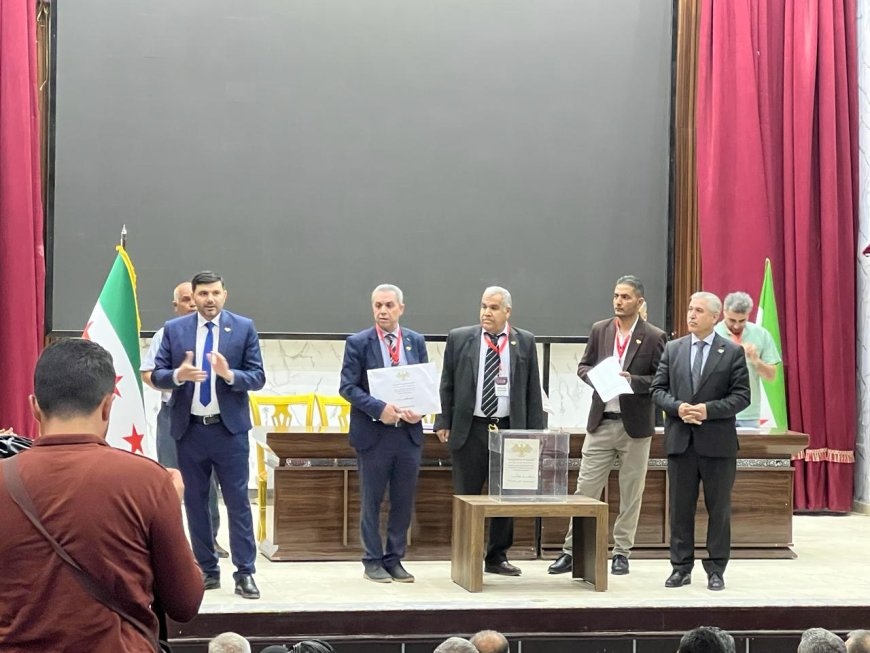
In sum, the discussion of these two analysts shows that the issue of elections in the Kurdish regions of Syria is not limited to the PYD and KNC competition, but is tied to deeper questions about the future of self-government, the relationship of Kurds with the central government, the legitimacy of the new Syrian political structure, and the divide between different generations of Kurds.


Your Comment