

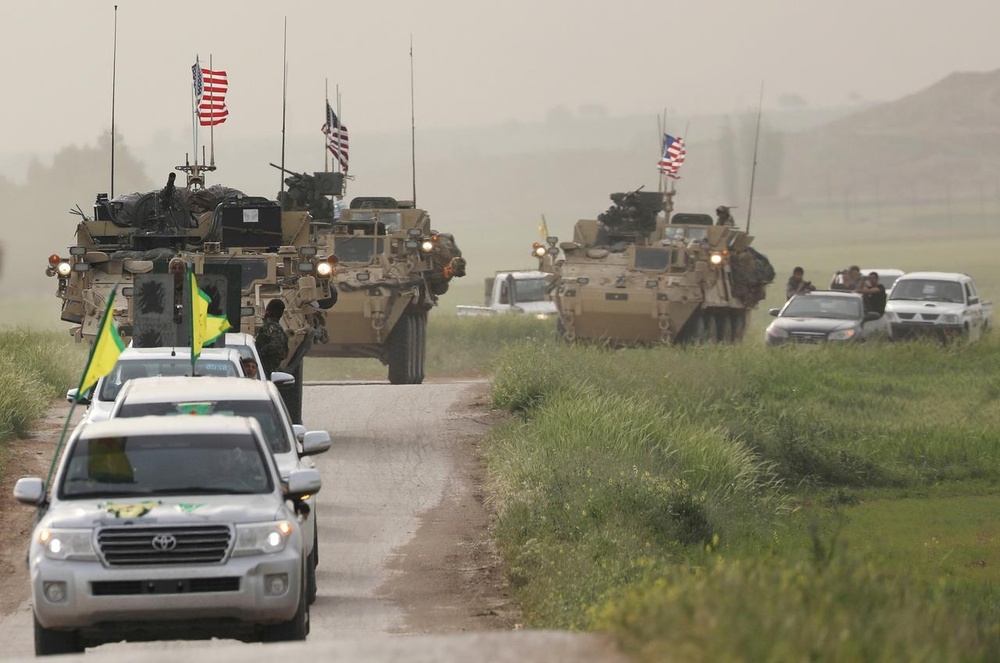
According to Kordpress, the new report of the Inspector General of the US Department of Defense on Operation "Firm Resolve" shows that the military developments in the north and east of Syria in the winter of 2026 have led to the official end of Washington's ten-year cooperation with the Syrian Democratic Forces (SDF). This report emphasizes that with the collapse of the SDF military structure against the advance of the Syrian government forces, America was forced to change its strategy from cooperating with the Kurdish forces to cooperating with the Damascus government; A change that has led to the gradual integration of QSD into the structure of the Syrian government and the practical end of Kurdish autonomy.
The inspector general of the US Department of Defense has announced in its quarterly report that the rapid advance of the Syrian government forces in January 2026 removed the control of the majority of the north and east of the country from the hands of the Syrian Democratic Forces and for the first time in more than a decade, Damascus restored the sovereignty of these areas. This development ended America's long-term partnership with the SDF, which had been the mainstay of the fight against ISIS in Syria since 2015.
The report says that the collapse of Qasd also had wide-ranging security implications. At the same time as the Kurdish forces retreated from many areas, some of the forces responsible for protecting ISIS prisons were transferred to the front lines, and this situation provided the basis for the escape of at least 150 ISIS members from Shadadi Detention Center.
The sudden withdrawal of QSD forces created a big security gap in Al-Hol camp. According to this report, up to 20,000 residents of the camp, including members and families affiliated with ISIS, left the camp without effective supervision; An event that American officials have described as a serious threat to regional security.
In order to prevent the crisis from spreading, Washington started a massive operation to transfer ISIS prisoners from Syria to Iraq. During this operation, 5,704 ISIS prisoners were transferred from the prisons under the former management of the SDF to Iraqi detention centers. The Inspector General's report emphasizes that after the Syrian government established control over the Kurdish areas, the US played an active role in mediating between Damascus and the SDF. These efforts finally led to an agreement between the two sides on January 29; An agreement based on which the Syrian Democratic Forces and related administrative institutions are gradually integrated into the structure of the central government.
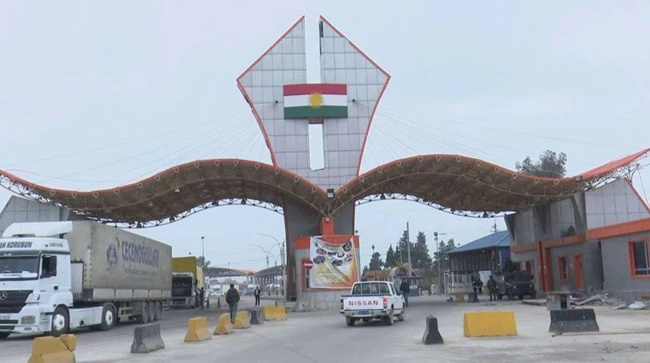
In the framework of this agreement, Syrian government forces entered the cities of Hasakah and Qamishlo, and the SDF agreed to hand over the control of crossings and administrative institutions to Damascus. On the other hand, four Kurdish military brigades were allowed to continue their activities in Kurdish areas, and a number of SDF commanders were also given roles in local administrative structures.
But the most important part of the report is Washington's assessment of the future of this agreement. The inspector general of the US Department of Defense writes, quoting US officials, that the integration agreement for the SDF meant giving up autonomy, but in a situation where the US had decided to transfer its cooperation from the Kurdish forces to the new Syrian government, there was no other practical option for the Kurdish leaders.
At the same time, Damascus has made promises to gain the support of the Kurdish community, including granting citizenship to Kurds without birth certificates, protecting the Kurdish language and culture, and recognizing Kurdish language education in Kurdish areas. However, the report emphasizes that sensitive issues such as the status of the People's Protection Units (YPG), how to fully integrate the SDF forces into the Syrian army, and the extent of the powers of the Kurdish regions remain unresolved.
The assessment of American intelligence institutions also indicates that the Syrian government will face serious command and control challenges in recruiting and managing new SDF forces; An issue that can affect the process of fighting ISIS in the future.






Your Comment