

Kordpress
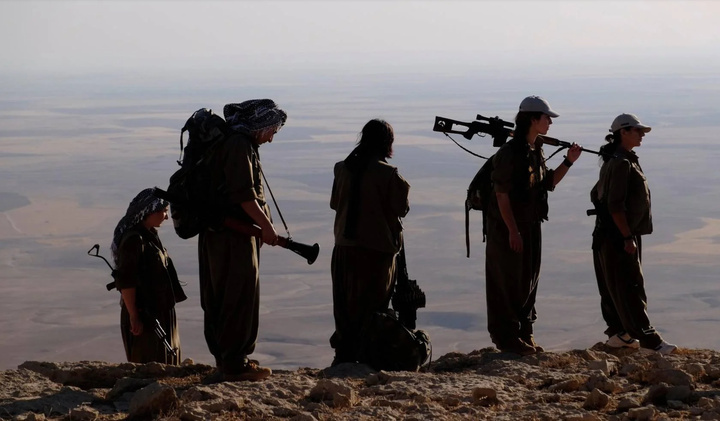
Political agreement or military dissolution? This is a fundamental question that today affects the future of the Syrian Democratic Forces (SDF) in Syria and the Peshmerga forces in Iraq. The conflict between maintaining the independence of these forces or integrating them into the Iraqi and Syrian armies remains a challenging issue between the Kurds and the capitals of Baghdad and Damascus.
Peshmerga experience; From the achievement of the constitution to the current dangers
After the fall of the Baath regime in 2003, Iraqi currents pressed for the integration of the Peshmerga forces into the new Iraqi army under the pretext that the Kurds no longer pose a threat. But the Kurdish political leadership strongly rejected this request and insisted on the Peshmerga remaining as an independent force.
By taking advantage of the conditions of Iraq at that time and with international support, the Kurds forced Baghdad to recognize the Peshmerga as an independent force and part of the Iraqi defense system; An issue that was later fixed in the constitution under the title of "guardians of the climate". If the Peshmerga were integrated into the Iraqi army at that time, they would be treated like ordinary soldiers and their military identity would be melted into the army's structure.
The return of the crisis after 23 years
Now, after more than two decades, the Peshmerga case is being reopened once again. The reason for this is the warnings and requests to equate the Peshmerga with the Hashd al-Shaabi forces, which the authorities of the Kurdistan region strongly reject.
According to the information obtained by Panjareh media, there has not yet been any official discussion about the Peshmerga between the region and Baghdad, but negative voices in this regard are heard from Baghdad.
A high-ranking source in the Kurdistan Region told the Window about these dangers: "Even if it is not close at this point, Iraq will definitely use the Peshmerga case in the future as a pressure card and a big challenge against the region."
Qasd; Integration and its challenges
Similar to the experience of the Kurdistan region of Iraq, the case of the armed forces has become a source of controversy in Syrian Kurdistan. At the beginning of the talks between the Kurds and the Damascus government, the Kurdish side first agreed to the integration of the Syrian Democratic Forces (SDF) into the Syrian army, but later the Kurds withdrew from this decision due to the feeling of danger.
What do the military facts say?
The concept of "integration of two forces" from a military point of view means the end of a smaller force and its dissolution in the heart of a larger force. Although based on previous understandings, it was decided that the SDF would be reorganized within the framework of the Syrian defense system, but the differences are still deep; Especially since the Women's Protection Units (YPJ) vehemently reject Damascus's demand for this kind of integration.
The Syrian government's approach and pressure is aimed at reducing the size of the Syrian Democratic Forces (SDF), handing over their heavy weapons, and entrusting them with the sole task of protecting the Kurdish areas. But the biggest obstacle to this process is the lack of trust between both parties.
Diplomatic movements and new road map
In the midst of these complex conflicts, eyes are fixed on new diplomatic moves. Currently, Mazloum Abdi, the SDF Commander-in-Chief, is in Erbil, and Trump's envoy, Tom Barak, is in Baghdad. Observers believe that the upcoming meetings between Barak and Abdi and the authorities of the Kurdistan Region can draw a new road map for the future of the Kurdish forces in the region.




Your Comment