

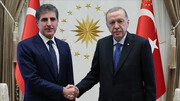
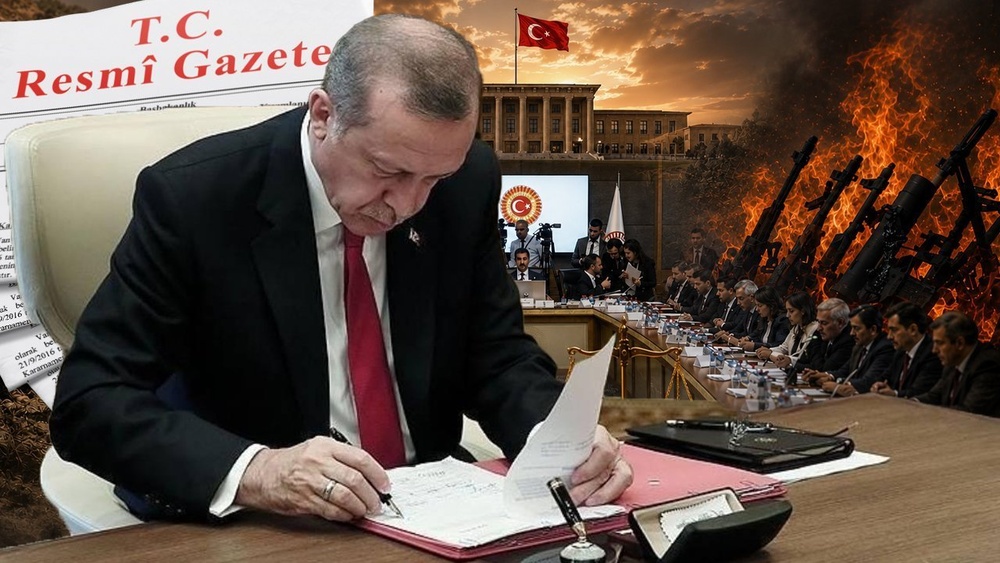
According to Kurdpress, a series of recent meetings between senior Turkish officials and leaders of the Patriotic Union of Kurdistan (PUK)—including Hakan Fidan’s meeting with Qubad Talabani in Ankara and the visit of İbrahim Kalın, the head of Turkish intelligence, to Sulaymaniyah for talks with Bafel Talabani—signal the start of a new phase in relations between the two sides. These relations had frequently been strained over the past decade due to disagreements regarding the Kurdistan Workers' Party (PKK) and the Syrian Democratic Forces (SDF), as well as geopolitical rivalries in northern Iraq and Syria. Now, coinciding with progress in the peace process between the Turkish government and the PKK, Ankara and the PUK are rebuilding their ties. The latest indication of this shift was the meeting in Ankara between Turkish Foreign Minister Hakan Fidan and Qubad Talabani, Deputy Prime Minister of the Kurdistan Regional Government (KRG) in Iraq. Following the meeting, Qubad Talabani expressed satisfaction with Turkey's serious commitment to the peace process with the PKK and affirmed the Patriotic Union of Kurdistan's (PUK) full support for the success of this process.
Just days earlier, Ibrahim Kalin, the head of Turkey's National Intelligence Organization (MIT), had met with Bafel Talabani and Qubad Talabani in Sulaymaniyah. The two sides discussed the peace process, developments in Iraq and Syria, and shifting security dynamics in the region. Sources close to the PUK have also reported the possibility of an imminent visit to Ankara by Bafel Talabani. These diplomatic exchanges indicate that Ankara, following years of tension, is seeking to establish a direct channel of communication with Sulaymaniyah. Relations between Turkey and the Patriotic Union of Kurdistan (PUK) were generally balanced during the tenure of the late Jalal Talabani. Talabani frequently acted as an intermediary between the Turkish government and Kurdish actors, and he was regarded in Ankara as a trusted figure. However, following his death in 2017, relations between the two sides rapidly deteriorated. That same year—after the PKK abducted two Turkish intelligence agents in Sulaymaniyah—Ankara shut down the PUK’s representative office in Turkey and [expelled] Behrouz Zeglali, the party’s long-serving representative in Ankara, who had held the position for approximately 17 years. At the same time, Türkiye accused the Patriotic Union of tolerating the PKK and providing space for the group to operate in Sulaymaniyah. This accusation became the central point of contention between the two sides.
In subsequent years, the tensions also took on economic and transportation-related dimensions. Following the Kurdistan Region’s independence referendum in 2017, Turkey suspended flights to Erbil and Sulaymaniyah. Although flights to Erbil resumed in 2018, restrictions regarding Sulaymaniyah remained in place due to security disputes. In 2023, Ankara once again closed its airspace to flights to and from Sulaymaniyah, declaring that the presence and activities of the PKK in the city posed a threat to Turkish aviation security. Shortly thereafter, a drone strike near Sulaymaniyah Airport targeted a convoy carrying Mazloum Abdi, the commander of the Syrian Democratic Forces. Although Turkey did not claim responsibility for the attack, many attributed it to Ankara. Now, following the start of a new round of talks, Turkey has lifted the ban on flights to and from Sulaymaniyah—a move regarded as one of the most significant signs of de-escalation between the two sides.
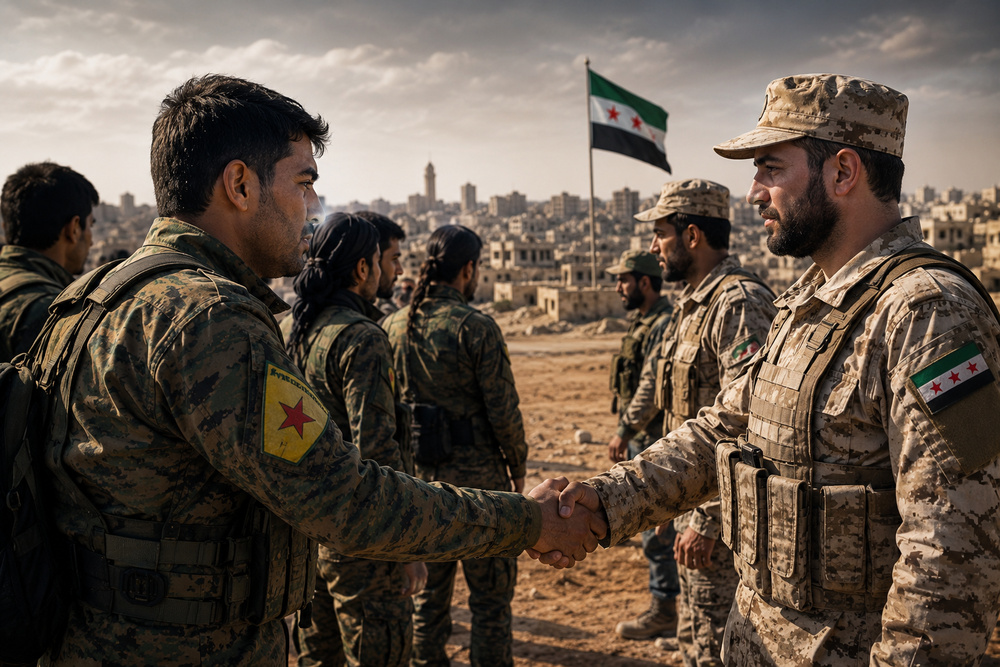
According to analysts, the primary factor behind the strained relations has been the divergent views held by the two sides regarding the PKK and the Syrian Democratic Forces (SDF). Turkey regards the People's Protection Units (YPG) and the Democratic Union Party (PYD) as the Syrian offshoots of the PKK, whereas the Patriotic Union of Kurdistan (PUK) has cultivated close ties with the SDF. These relations intensified after Bafel Talabani rose to prominence; in recent years, he has visited northeastern Syria on several occasions, met with SDF commanders, and spoken of cooperation between the PUK’s counter-terrorism forces and Syrian Kurdish forces. From Ankara's perspective, these contacts signaled a move by the PUK closer to the PKK, prompting increased political and security pressure on Sulaymaniyah.
Part of this policy stems from Bafel Talabani’s personal approach. He has sought to transform the Patriotic Union of Kurdistan (PUK) from a purely domestic actor into an influential player in regional Kurdish dynamics—an approach characterized by an emphasis on solidarity among the Kurds of Iraq, Syria, and Turkey. Bafel has repeatedly spoken of the need to end the four-decade-long conflict between Turkey and the PKK, and in messages marking Nowruz and other occasions, he has underscored the importance of Kurdish unity and a peaceful resolution to the Kurdish issue. However, Turkish officials viewed these stances not as mediation, but rather as interference in their internal affairs.
Analysts believe that several simultaneous developments have paved the way for rebuilding relations.
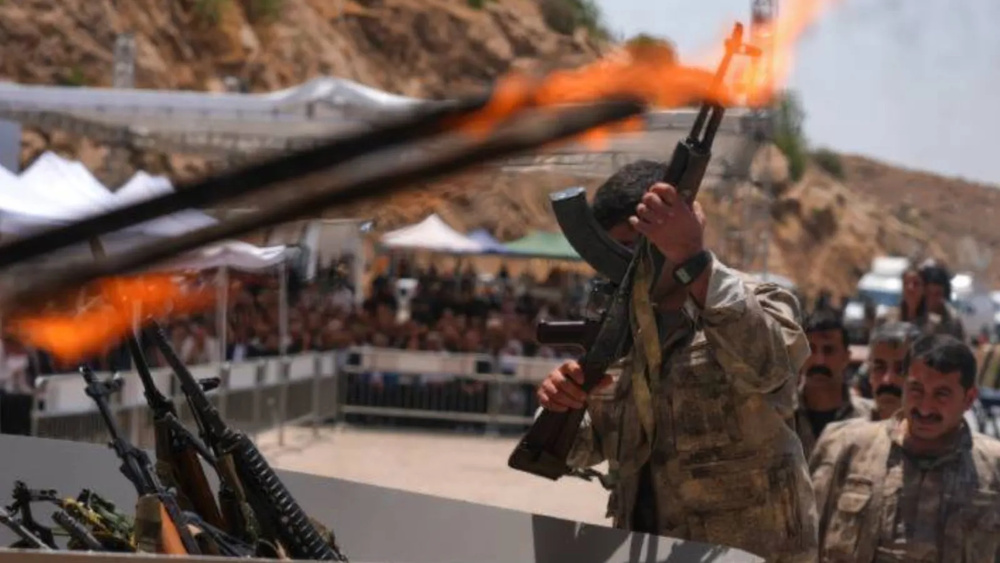
First, the initiation of a new peace process between the Turkish government and the PKK has made Ankara more reliant than ever on cooperation with Sulaymaniyah, given that a significant portion of the PKK’s structure and networks lies within the Patriotic Union of Kurdistan’s (PUK) sphere of influence.
Second, Turkey has concluded that relying solely on the Kurdistan Democratic Party (KDP) to advance its policies in the Kurdistan Region is insufficient, and that maintaining ties with the PUK is essential for achieving political balance.
Third, developments in Syria and the future of that country’s Kurdish forces have heightened the PUK’s importance to Turkey—particularly if the peace process expands to include discussions regarding the status of Syrian Kurds.
Conversely, the Patriotic Union of Kurdistan (PUK) also needs to improve relations with Turkey to attract investment, develop infrastructure, and boost trade. Experts believe that although disputes regarding the PKK and Sulaymaniyah’s ties to Syrian Kurdish forces have not been entirely resolved, shared economic interests, security imperatives, and the initiation of a peace process have driven both sides toward rebuilding their relationship. Recent meetings involving Hakan Fidan, Ibrahim Kalin, Bafel Talabani, and Qubad Talabani serve as the most significant indicators of this shift in approach; should the peace process continue, it could bring an end to one of the most tense periods in relations between Turkey and the PUK since 2017.

Your Comment