
According to KurdPress, crossing the Samalka border from the Iraqi Kurdistan Region to the Kurdish-administered areas in northern and eastern Syria presents a different picture from the past.Two officials from the border control department, appointed by Damascus, have requested permission from the Syrian Ministry of Information for journalists to work in the area, a move seen as a sign of the central government’s increasing role in the region. The pictures that previously covered the walls of the centers with images of Kurdish fighters killed during the 15-year war with jihadist groups are no longer visible, replaced by images of European nature and horses in green fields.
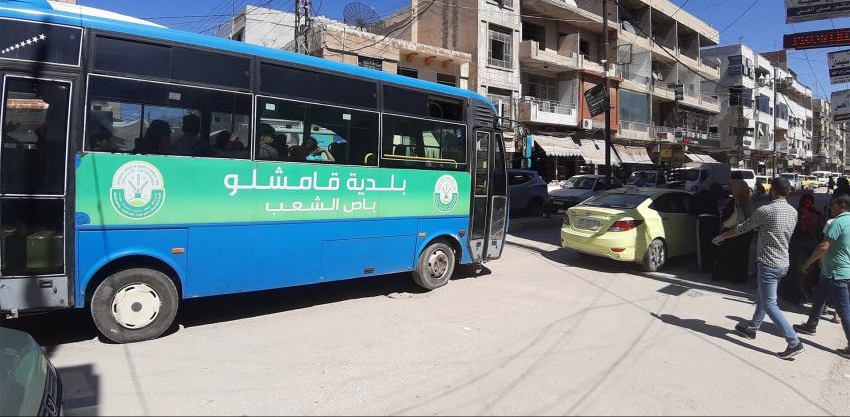
Street signs are also written in Arabic, and only a calendar in the corner of a building remains, marking the start of the Kurdish new year.
From Samalka to Qamishlo: The gradual shift in symbols of power
One of the border officials, who declined to be named, represents the Damascus government. He travels about 14 hours from Damascus to the area and works at the border crossing for two weeks at a time.According to him, the final decision on border issues and its activities rests with the central government representatives.
These small changes are a reflection of larger developments that have taken place throughout the Kurdish regions of northern and eastern Syria; developments that have occurred only about six months after the large-scale fighting between the SDF forces and Damascus and have noticeably changed the balance of power.
An official from the Iraqi Kurdistan Region said of the current situation in the Kurdish regions of Syria: “The Kurds of Syria are still in shock. When we were fighting Baghdad, the whole world was against Saddam Hussein. Now the whole world is with Ahmed al-Sharaa. They are in a difficult situation.”
The Kurds in this region have been engaged in a war with various jihadist groups, especially ISIS, for about the past 15 years, and Kurdish forces have lost thousands of their forces during this time.The End of Assad’s Rule and the Beginning of a New Phase
Bashar Assad left Syria at the end of 2024, ending more than half a century of authoritarian rule by the Assad family. Images of Saydnaya Prison and other detention centers also revealed the extent of decades of state repression to the Syrian public and the world.
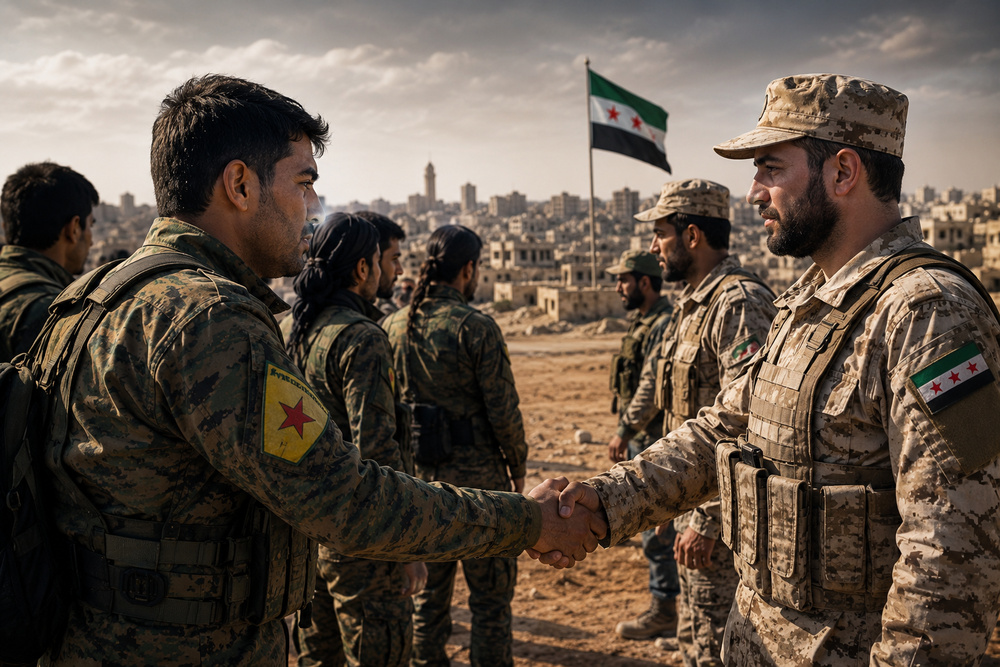
Ahmad al-Shara’s forces took control of Damascus at the end of that year. The self-governing administration, which had a large part of the areas under its administration controlled by the Kurds, continued negotiations and consultations with the new Syrian authorities for nearly a year; negotiations that failed to prevent several weeks of fighting this winter.
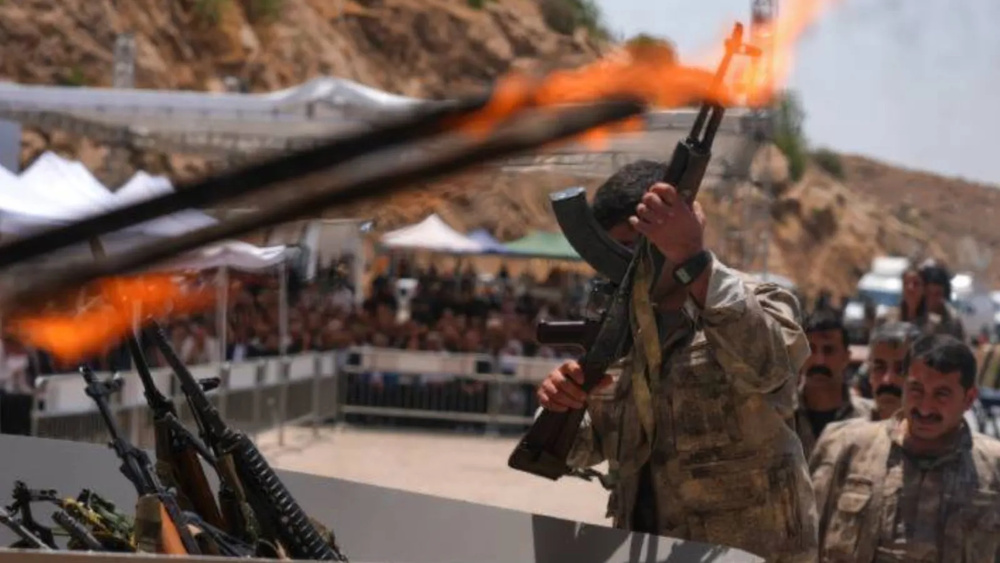
During these clashes, Kurdish forces lost a large part of the areas they had previously controlled with the support of the US-led international coalition. Finally, a ceasefire at the end of December ended the widespread war.Since then, the region has remained largely calm, but the calm is still fragile.
Qamishlo: A City Still Waiting for the Future
On the road from Samalka to Qamishlo, security forces are still seen at checkpoints, but their numbers have decreased compared to the past. Some of the roads, which were previously known for their potholes and dilapidated condition, have been rebuilt, and the towns along the route seem busier. Markets are open and traffic is flowing through the city.
At the same time, new individuals and groups have also entered the region. In Qamishlo, some hotels are almost completely full due to the presence of American employees active in the oil sector.
Damascus currently controls some of the region’s oil institutions, border crossings, the airport, and the trade crossing between Qamishlo and Nusaybin in Turkish Kurdistan.The crossing has not yet been fully opened, but preparations are underway for it to become operational, and many residents hope that resuming trade with Turkey could help Qamishlo's battered economy.
People’s concerns about the future
Manal Mohammad, a 48-year-old accountant and father of three, has spent much of his life waiting for governments to change and for living conditions to improve.
“There is security now, but the future is uncertain. We are all just waiting to see what will happen,” he says in his exchange office.
Mohammad used to work at Qamishlo airport and has memories of the chaos and administrative problems during Hafez al-Assad’s rule. He lost his birth certificate in 1998 and it took him three years to get it back, during which time intelligence forces interrogated him about why his documents were missing.
He is now less worried about the intelligence forces and more concerned about his family’s financial situation.A police officer in Syria may earn only about $100 to $150 a month, he says, and many people rely on second jobs, farming or financial assistance from relatives in Europe to make ends meet.
Manal’s three children, aged between 12 and 20, attend private schools, but he is unsure what the future holds for them in Syria. “This country has no leadership,” he says.
However, Manal’s criticism is not limited to Damascus. He says he pays between $2,500 and $3,000 a year in taxes from his exchange office to the autonomous administration, but receives limited services. He also believes the Kurds have made mistakes over the past 15 years.
Manal is also skeptical about Ahmed al-Shara’s ability to secure Kurdish rights, and believes that a nationalist mindset is deeply rooted in the Damascus bureaucracy.A legacy of decades of discrimination
After 15 years of war and more than half a century of discriminatory policies by the central government, the people of this part of Syria have a long history of distrust and resistance.
In 1962, tens of thousands of Kurds were deprived of birth certificates and citizenship documents as a result of government policies, effectively becoming people without official identity in society. Lack of identity documents also prevented many of these people from enrolling their children in school or accessing some health services.
This historical background has created a deep distrust of the central government, a distrust that has developed over several generations and is now part of the political outlook of Syrian Kurdish society.
Ahmed al-Sharaa has taken steps in recent months to alleviate these concerns, but rebuilding Kurdish trust in Damascus will take more time.Daily life; calm but fragile
Qamishlo is currently calm in terms of security. The administration of the region is still largely in the hands of secular Kurdish structures, and women's participation in daily life and regional management is significant.
Despite the poor condition of the roads, the sound of car horns is not very loud, and women and men are comfortable together in cafes and restaurants. Daily life seems completely normal for many hours; until the electricity goes out.
Your Comment