

According to KurdPress, the German magazine Corrective writes in an analytical note titled "What We Leave Out When We Say "Kurds"" that, contrary to popular belief, Kurdish identity is not a unified and homogeneous concept, but rather a set of historical, linguistic, religious, cultural and political experiences that have been formed within the borders of the countries of the region and among its immigrant communities. According to the magazine, any attempt to introduce "Kurds" as a community with a single identity presents an incomplete picture of reality.Corrective believes that Kurds have faced two different narratives over the past century; on the one hand, governments such as Turkey, Iraq and Syria have tried to marginalize Kurdish identity by denying, suppressing or limiting it at different times, and on the other hand, some Western media and political circles have romanticized the Kurds as a homogeneous, secular, democratic, Western-allied people or simply victims. According to the publication, both narratives ignore part of the reality, because Kurdish society is diverse and cannot be summarized in a single image.
The Corrective also emphasizes the religious diversity of the Kurdish community, noting that Kurds are not only Sunni Muslims, but also Yazidis, Alawites, Yarsans, Shiite Kurds, Christians, and secular groups. According to the publication, after the Yazidi genocide at the hands of ISIS, a part of this community has emphasized its independent identity more than before. Some Yazidis consider themselves Kurds, while others define Yazidi identity independently of Kurdish identity, and both views should be respected.
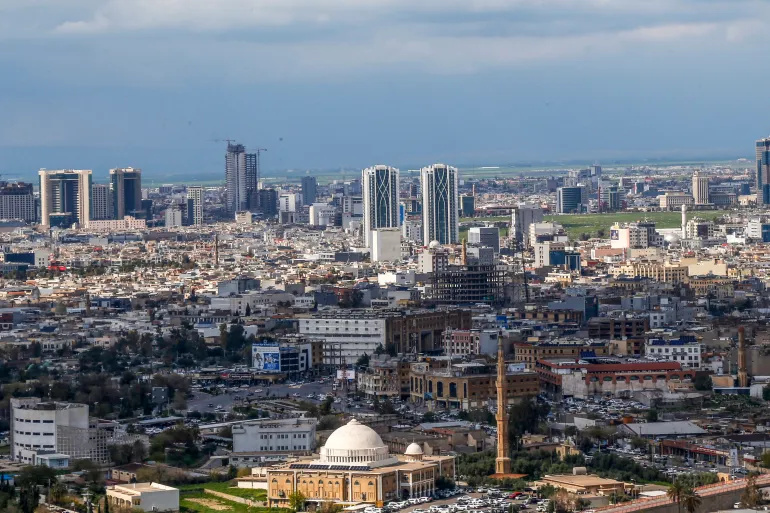
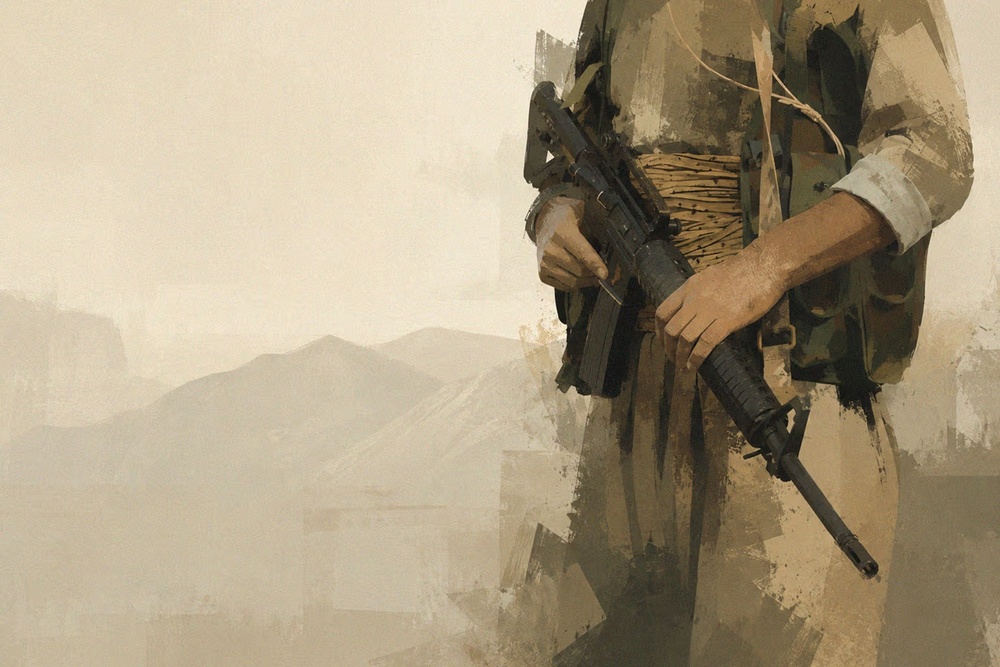
In another part of this article, the image that the Western media has created of Kurdish women after the battle with ISIS is discussed. The presence of armed women in northern Syria has created an inspiring image of Kurdish women worldwide, writes the Corrective, but generalizing this image to all Kurdish women ignores the diverse realities of Kurdish society.Kurdish women in Erbil, Halabja, Van, Qamishlo, or European cities have different social and political experiences, and many of them still struggle with patriarchal structures.
In conclusion, Corrective emphasizes that Kurds, despite having a common historical memory and a long experience of discrimination and oppression, have different languages, religious beliefs, political experiences, and perspectives. In the view of this publication, a realistic understanding of Kurdish society requires distancing oneself from both denialist narratives and idealistic images. In Corrective’s view, the future of Kurdish society and politics lies not in forced assimilation, but in accepting and preserving the internal diversity of this society and transforming it into a basis for democratic coexistence.
Your Comment