

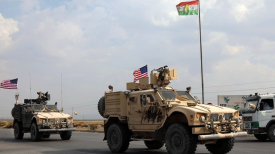
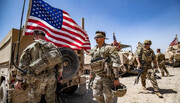
According to KurdPress, as the September 30 deadline for the end of the international coalition's mission against ISIS in Iraq approaches, signs of the transfer of some of the forces and military equipment from the coalition base at Erbil International Airport have been observed.The National newspaper, citing security and government sources in Baghdad and the Kurdistan Region, reported that air defense systems, logistical equipment and some support facilities have been moving from the base in recent days. However, it is not yet clear whether these measures are part of the coalition’s final withdrawal from Iraq or simply the relocation of equipment and its redeployment elsewhere.
Two Kurdish officials told the newspaper that in the last week of July, convoys carrying interceptor systems, logistical containers and military equipment left the Erbil base. The base has been one of the coalition’s most important centers of activity in recent years, training Peshmerga forces and providing intelligence and operational support to the Kurdistan Region.
Referring to these movements, a Kurdistan Regional Government official said: “These movements are not normal.The defense systems that were permanently deployed are now being collected and transferred, but it is not yet clear where their final destination will be.”
According to the official, the regional government has not received any official information or coordination from the coalition or the United States before the start of these transfers.
At the same time, images published on social media show American forces collecting a reconnaissance balloon called an “aerostat” in the sky over Erbil; an action that has added to speculation about the reduction of the American military presence in the Kurdistan Region.
These developments are occurring at a time when American bases in the Kurdistan Region have been repeatedly targeted by drone and missile attacks in recent months.Although defense systems based in Erbil have intercepted the majority of these attacks, some attacks have also resulted in the deaths and injuries of American soldiers and civilians.
Washington and Baghdad agreed in 2024 that the international coalition mission against ISIS would end by September 30, 2026, and that security cooperation between the two countries would continue thereafter in the form of bilateral agreements, including training Iraqi forces, information exchange and defense cooperation.
An Iraqi official in Baghdad also declined to provide further details about the recent movements, emphasizing that the process of withdrawing coalition forces would be “orderly and coordinated.”
Meanwhile, Kazem Yawar, a political analyst based in Erbil, believes that these developments, regardless of whether they lead to a complete withdrawal of American forces, carry important security messages for Baghdad, the Kurdistan Region and Tehran.According to him, reducing the US military presence could, on the one hand, reduce the excuse for armed groups to attack the Kurdistan Region, and on the other hand, place more responsibility for maintaining the region's security on the shoulders of the Peshmerga forces than in the past.
He warned that if the security situation in Iraq deteriorates after the end of the coalition mission, the possibility of a request for the return of international coalition forces would not be far-fetched.




Your Comment