Kurdish issue
-
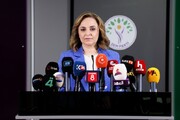
Aysegul Doğan:
This law does not solve the Kurdish issue, but it opens a door
Service Turkey – Aysegul Doğan, spokesperson for the Dem Party, considered the proposal for the “Framework Law” an important but insufficient step to solve the Kurdish issue and said that Abdullah Öcalan’s conditions must change in accordance with his role as the main negotiator of the process so that he can be present in the coordination mechanism.
-
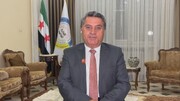
Turkey's New Law; A Major Project to Redefine the Kurdish Issue
World Service - National Context analysis shows that the draft "Law on Strengthening National Solidarity and Social Integration" is not just a framework for dissolving the PKK, but is the first stage of a broad plan to transfer the Kurdish issue from the security sphere to the political arena within Turkey and the region.
-
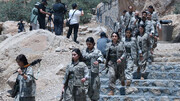
Women's Protection Units (YPJ) join Syrian Ministry of Interior
Syria Service - "Abdul Karim Omar", the representative of the Autonomous Administration in Damascus, announced the agreement of the YPJ to join the Syrian Ministry of Interior and announced that these forces will operate in the form of a special unit to fight terrorism.
-

From Wilson to Trump; 13 US Presidents' Narratives of the Kurdish Issue
World Service-The Kurdish issue has been reflected in the policies and positions of US presidents, from Woodrow Wilson to Joe Biden, at different times. The issue of the rights of nations after World War I to military cooperation with Kurdish forces in the fight against ISIS has been reflected in their positions. A review of these positions shows that Washington's approach has always fluctuated between supporting the rights and security of the Kurds and its own strategic considerations in the region.
-
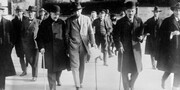
Swiss Heritage for Kurds
World Service - According to an analysis published by the Kurdish Studies Center, many of the crises of the last century regarding the Kurdish issue have their roots in the political arrangements after the Treaty of Lausanne; an agreement that preferred the interests of the great powers over the national demands of the Kurds.
-

Gulistan Kilic:
The peace process is in search of its legal framework
Service Turkey – Gulistan Kilic Kocigit, deputy chairwoman of the Dem Party faction in the Turkish parliament, considered the framework law not the end of the peace process, but the first step on a new path, and called for the formation of a “Peace Monitoring and Follow-up Council” with the participation of representatives of all parliamentary parties. She said that this law should provide legal guarantees for participation in democratic politics, the return of individuals, and the laying down of weapons.
-
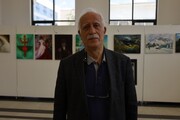
DEM Party MP:
Turkey Has Linked the Kurdish Issue to Developments in Syrian Kurdistan
Turkey Desk – A Member of Parliament for Van representing the Peoples' Equality and Democracy Party (DEM Party), referring to the recent NATO meeting in Ankara, claimed that a new mission has been defined for Turkey within the NATO framework. According to him, the Turkish government has tied the process of resolving the Kurdish issue to recent developments in Syrian Kurdistan and other foreign policy considerations.
-

Kurdish Politician:
The Kurdish Issue Cannot Be Resolved Through a Security-Oriented Approach
World Service – Sabahat Tuncel, a Kurdish politician from Turkey, emphasizes that a security-focused approach to the Kurdish issue is the greatest obstacle to peace. She states that the current process will only yield results if the government moves away from policies of denial and pressure on Kurdish political activities.
-

Mustafa Karasu:
Being Kurdish Remains Illegal in Turkey
Turkey Desk – Mustafa Karasu, a member of the KCK Executive Council, criticized the lack of clarity regarding the drafting of the "framework law" and the absence of meetings with Abdullah Öcalan since May. He stated that resolving the Kurdish issue cannot be achieved solely through disarmament or the withdrawal of forces; rather, the existence of the Kurds must be legally and constitutionally recognized.
-
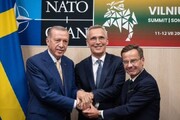
Politico:
The Kurdish Issue Has Dropped Off NATO’s Agenda
World Service – Citing NATO diplomats, Politico reports that following the PKK disarmament process, the Kurdish issue—which for years had been a point of contention between Turkey and some of its allies—is now rarely raised at the alliance's meetings.
-

New tension between Damascus and the autonomous administration
Syria Service - The tension between the interim government of Syria and the administration of the self-governing administration over the name change of schools has entered a new phase. While Damascus sent a list of new names to schools in the Kurdish regions, the local education administration did not accept this proposal and, instead, returned its alternative list to the capital; An action that shows the continuation of deep differences between the two sides in the field of education and identity building in the region.
-

How do digital platforms help the survival of the Kurdish language?
World Service - a new Kurdish language education platform using digital tools and artificial intelligence technology, tries to fill a part of the historical gap of Kurdish education in Turkey and bring this language into the wider digital space.
-
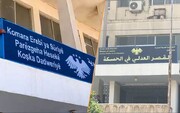
PYD's protest against the removal of Kurdish language from official boards
Criticizing the removal of the Kurdish language from the Haskeh Palace of Justice, the Syrian Service - PYD considered this action contrary to the agreements and the process of national integration in Syria and demanded the recognition of the Kurdish language as one of the official languages of the country.
-
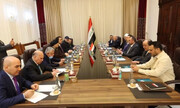
Request from the Kurds to determine the assignment of the presidential issue
The service of Iraq and the Kurdistan Region - Iraq's coordination framework, in its most recent meeting, called on the two major Kurdish parties to decide on the presidential issue in order to maintain their national obligations.
-

Öcalan:
From now on, all institutions in Kurdistan must operate in the Kurdish language
Turkey Service - Abdullah Ocalan, in a recent meeting with his family, said that the existence of the Kurds has been proven after decades of struggle, and now is the time for all democratic institutions in Kurdistan to conduct their activities in the Kurdish language.
-
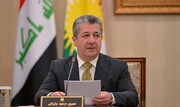
Barzani's warning about the continued threat of ISIS
Service of Iraq and the Kurdistan Region - The Prime Minister of the Kurdistan Region, while warning about the continuation of the threat of ISIS, emphasized the necessity of the continued presence of the US-led international coalition forces to maintain stability and fight terrorism.