

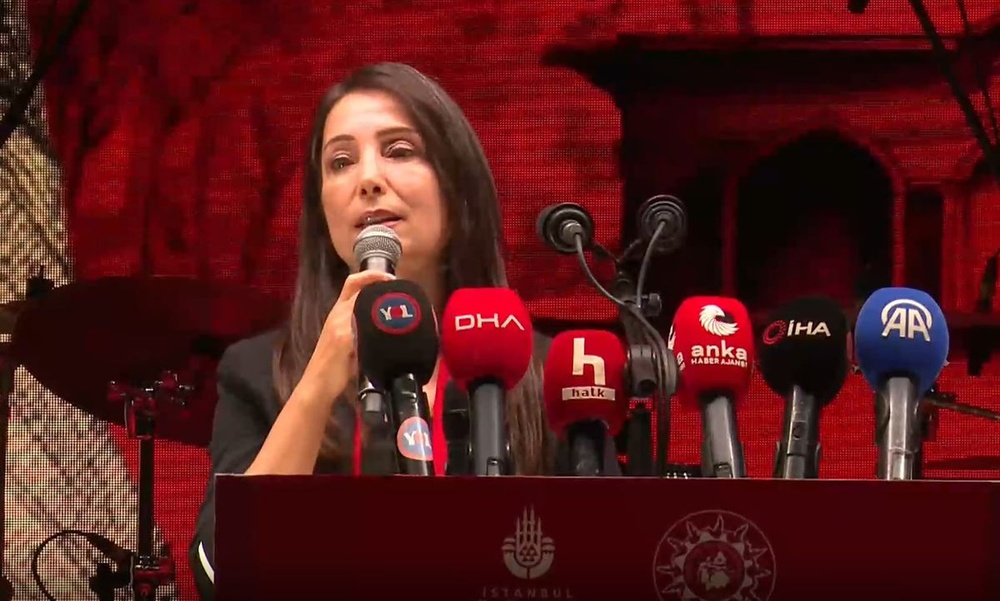
According to KurdPress, Gulistan Kilic Kocigit, deputy chairwoman of the Peoples’ Equality and Democracy Party (Dem Party) faction in the Turkish parliament, considered the law known as the “Peace Framework Law” not the end of the peace process, but the beginning of a new stage, and called for the formation of a “Peace Monitoring and Follow-up Council” with the participation of all parliamentary parties.He stressed that the law should ensure participation in democratic politics, the return of individuals and the laying down of weapons within a legal framework.
Referring to two consolidated bills on the agenda of the parliament, Gulistan Kilic Kociyigit said in her weekly press conference in the Turkish parliament that the first bill includes the amendment of the Higher Education Council Law and the regulation on student amnesty. According to her, in addition to the education sector, the bill also includes issues in the fields of health, endowment universities, technology transfer and security research.
She said: “This bill is also not a law in principle to expand fundamental rights and freedoms or solve students’ problems. However, including student amnesty in it is an important step and I must emphasize that our party’s efforts have also played a role in its realization.” She added that, however, problematic articles still remain in the bill and that sufficient amendments have not been made.
Referring to the aftermath of July 15, 2016, the deputy leader of the Dem Party faction said that many students have been deprived of their education due to the broad interpretation of the concepts of “connection and affiliation.” He asked: “Participation in which rally or protest can be considered as connection or affiliation?” He added that now that the issue of student amnesty is on the agenda, it is unacceptable to continue these restrictions.
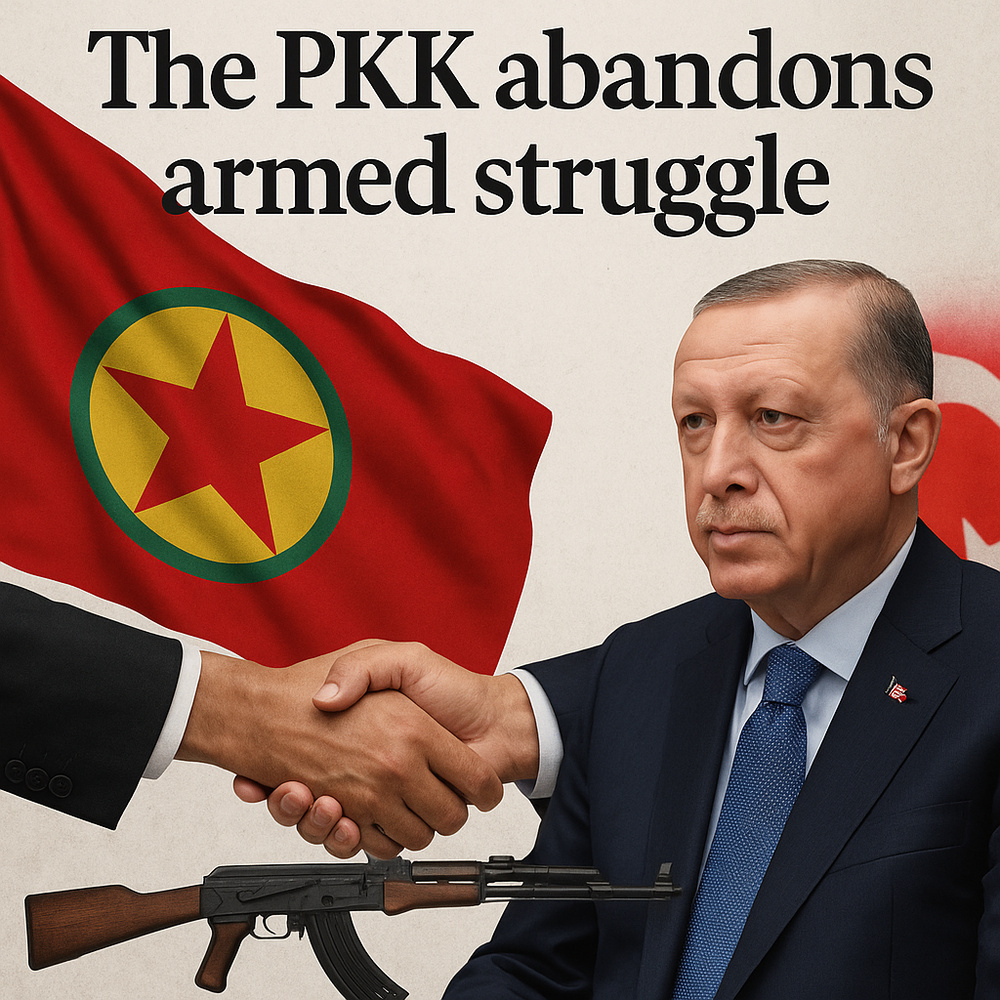
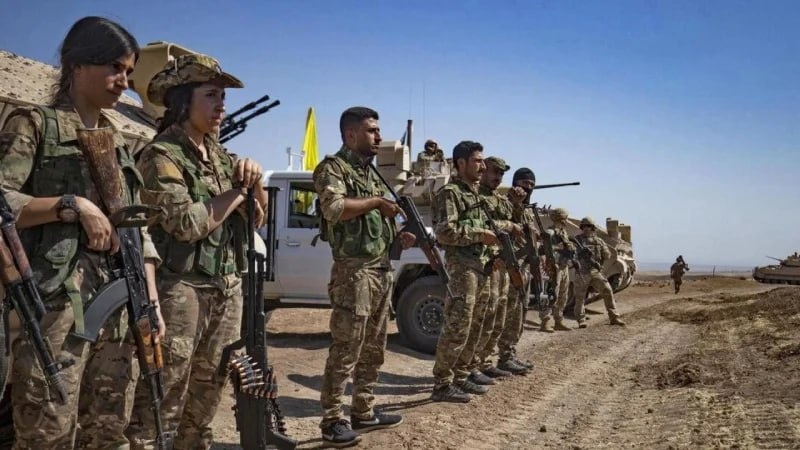
Kilic Kociygit continued by discussing the “Peace Framework Law” and described it as a historic turning point after decades of conflict. He said that Abdullah Ocalan’s February 27 call, the ceasefire declaration and the decision to dissolve the PKK had brought the issue of establishing a legal framework for the peace process to the agenda. Rejecting the view that the law was the end of the process, he said: “This law is not a result, but the beginning of a new path. The century-old Kurdish issue will not be solved with a law, but this step can pave the way for lasting peace.” He stressed that the law should not involve the separation and categorisation of individuals and should create an open framework for all parties seeking peace. According to him, the law should provide legal guarantees for democratic political participation, the return of individuals and the laying down of arms.
Kilic Kociygit said: “Peace is in search of its rights and this process is also in search of its legal framework.” Referring to the words of Sri Soraya Onder, he said that the process has entered a new phase and requires clear legal and political foundations. He emphasized that in addition to the content of the law, the way it is drafted is also important and should be carried out with broad participation and collective agreement: “This issue should not be caught up in narrow party interests.”
He proposed the establishment of a “Peace Monitoring and Follow-up Council” in the parliament, saying that this council should be formed with the presence of all parties and a pluralistic structure.According to him, the council should follow the process, identify problems and facilitate dialogue between the parties. Kilic Kociygit said that after the adoption of the framework law, fundamental reforms should be made in the criminal code and the anti-terrorism law. He added that this law should become the basis for further reforms so that restrictive structures change. He concluded by saying that criticizing the process does not mean undermining it, but is part of the responsibility for achieving sustainable peace.








Your Comment