
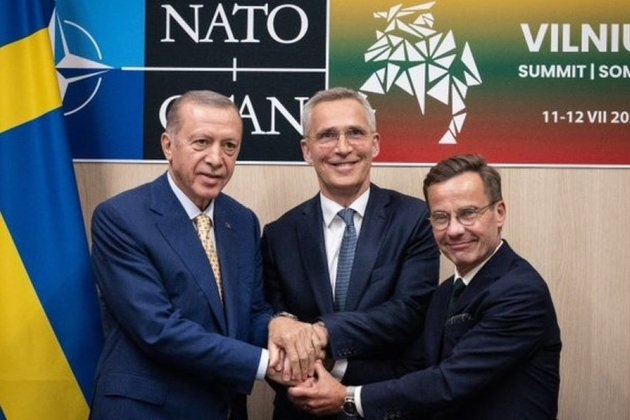
According to a report by KurdPress, *Politico* noted in a report on Europe's shifting defense stance toward Turkey that—following the PKK's decision to lay down arms—the Kurdish issue, which had long been a source of tension between Ankara and certain NATO members, is now rarely raised at the alliance's meetings; a shift that NATO diplomats say has paved the way for smoother security cooperation between Europe and Turkey.
Ahead of the NATO summit, *Politico* reported that amidst growing doubts regarding the US commitment to European security during Donald Trump's presidency, European nations are increasingly looking toward Turkey's military capabilities and defense industries. The easing of tensions surrounding the Kurdish issue is also considered a factor facilitating this trend.
According to the report, the PKK's decision last year to lay down its arms has largely eliminated one of the major sources of friction between Turkey and certain European nations. Although both the European Union and Turkey designate the PKK as a terrorist organization, some European capitals had previously criticized Ankara’s sweeping crackdowns on Kurdish groups and entities accused of ties to the group.
Citing three NATO diplomats, Politico reports that while Turkey used to frequently raise the PKK issue during alliance meetings, the Kurdish question is now rarely discussed at NATO gatherings—a shift considered a contributing factor to the reduced friction between Ankara and its NATO allies.
The report emphasizes that as the United States scales back some of its security commitments in Europe, European nations have come to rely more than ever on Turkey—given its status as NATO’s second-largest military power, its drone capabilities, its expanding defense industry, and its geopolitical position.
However, Politico notes that closer cooperation with Turkey still faces obstacles. Issues such as the human rights situation, the Turkish government's democratic record, Ankara’s close ties with Russia and China, and unresolved disputes between Turkey and the European Union remain among the primary concerns for European nations.
According to the publication, despite these considerations, pressures stemming from the diminished U.S. role in NATO and the need to counter Russian threats have driven Europe toward broader defense cooperation with Turkey, and the Kurdish issue is no longer a serious obstacle to security relations between the two sides, as it once was.










Your Comment