

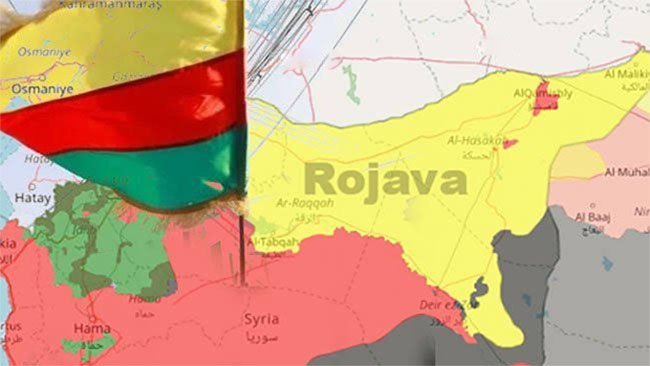
According to Kurdpress, the important point is that in both countries the Kurds are not simply a "minority" but bearers of an independent political and narrative project. This project, whether in the form of federalism in Iraq or self-government in Syria, has posed a direct challenge to the unifying and centralized models of state, which is why any attempt to return to old models, such as denying Kurdish identity or imposing assimilation, is not only ineffective but potentially destabilizing.
Ultimately, the experience of Kurds in Syria and Iraq shoes that the crisis of the nation-state in the Middle East is not simply due to the weakness of institutions, but rather is rooted in the inability of this model to adapt to the multi-ethnic and multi-narrative realities of the region. By establishing alternative narratives and structures, the Kurds have made this gap more apparent and have effectively become one of the determining factors in redefining the future of the political order in these countries.









Your Comment