

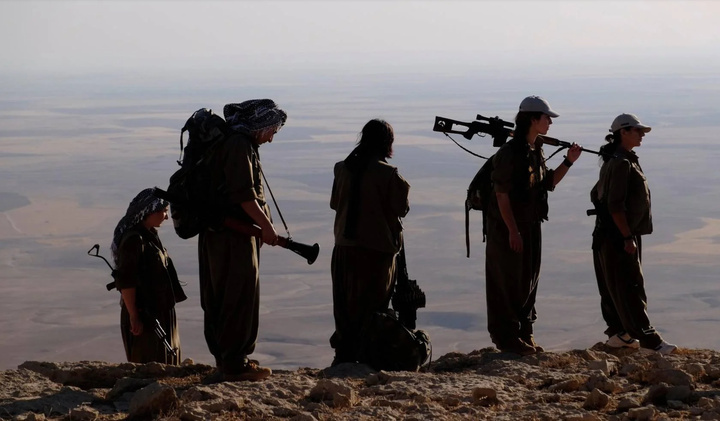
According to Kurdpress, the Pentagon budget for next year shows that the United States intends to completely stop the training and equipping of the Peshmerga forces of the Iraqi Kurdistan Region. The budget, which is $61 million this year, has been reduced to zero in the new plan, leaving only about $1.35 million for medical support. Meanwhile, the support for the Iraqi federal forces and the Syrian security structures continues, and for the first time, Lebanon and Jordan have also been added to the plan to deal with ISIS.
This decision effectively ends a decade of direct US support for the Peshmerga forces; The support that was formed during the war with ISIS and reached its peak in 2015 and 2016. After the defeat of ISIS, this aid had a downward trend, but it was never completely stopped. A gradual reduction in funding from $257 million in 2022 to $77 million (including arms and medical aid) this year has now become a sudden and significant change with a complete elimination next year.
Washington has announced the official reason for this action is the end of the memorandum of cooperation with the Kurdistan Region. The agreement was signed in September 2022 and was valid for four years. In this context, the payment of financial aid has already been stopped and the Iraqi central government was supposed to take over the responsibility of financing the Peshmerga forces. However, the complete elimination of training and armaments funding—beyond the end of the MoU—suggests that other options, such as extending or redesigning cooperation, have also been ruled out.
At the regional level, this change is accompanied by a broader reorganization of American security policy. Lebanon and Jordan have entered the anti-ISIS funding mechanism for the first time; An action that is evaluated at the same time as reducing the direct presence of the US in Syria and focusing more on strengthening the central governments. In the same framework, the US budget for active forces in Syria, including the Kurdish forces, is still maintained at the level of about 130 million dollars.
At the same time, there are signs of a targeted redistribution of support. While the budget of the Peshmerga has reached zero, the credibility of the "Swat Sulaymaniyah" unit - close to the Patriotic Union of Kurdistan - has increased; This shows that not all Kurdish actors were equally affected by this decision.
Recent political and security developments have added to the complexity of this decision. including regional tensions in early 2026 and reports of attempts to activate Kurdish groups from the territory of the Kurdistan Region, which was met with official opposition from Erbil. Also, the naming of a senior military figure in the region in the court case related to the contracts of the American forces, simultaneously with this decision, has attracted the attention of analysts.
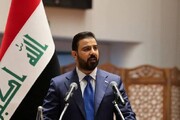
In Baghdad, the political balance has changed to the detriment of the Kurdistan Democratic Party; The election of a president close to the Patriotic Union and the advancement of the process of forming a government without the support of this party indicate the reduction of its political weight in recent equations.
In sum, although the end of the cooperation memorandum has been presented as the official reason, the set of simultaneous developments—from the US regional reorganization to the internal changes in Iraq—shows that the complete cessation of support for the Peshmerga is part of a broader strategic change in Washington's security policy, which is focused on strengthening central governments and redefining the role of local actors.


Your Comment