

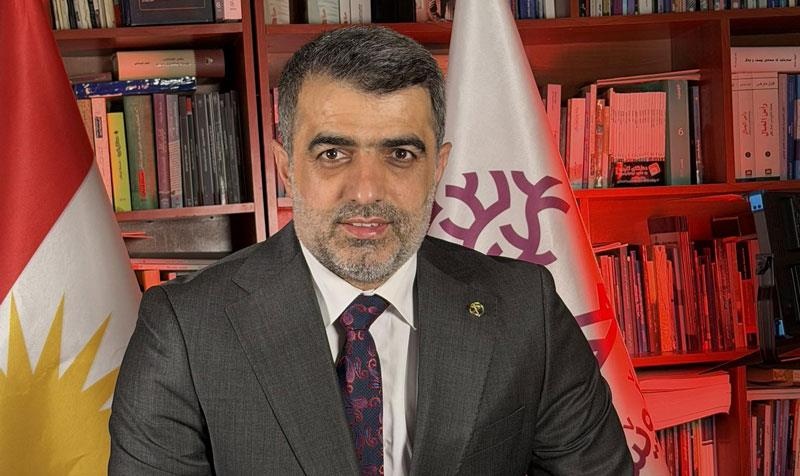
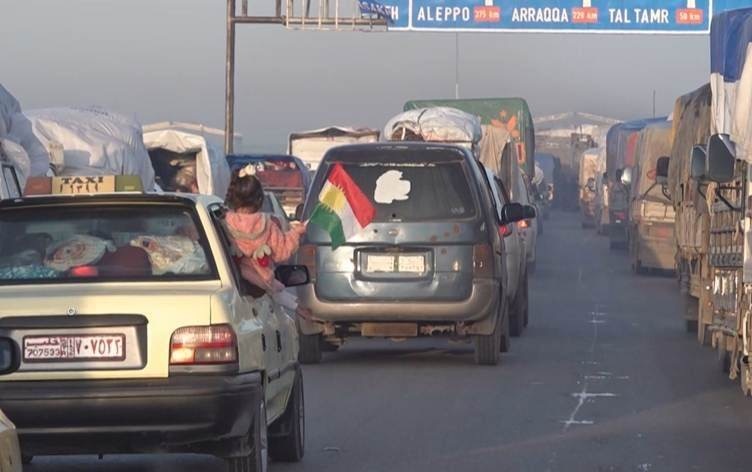
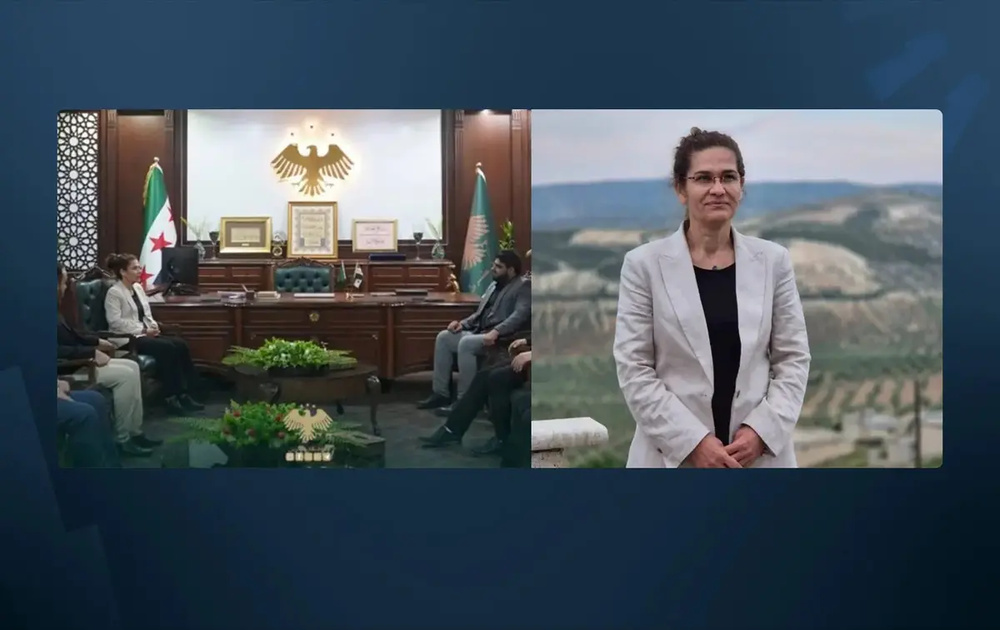
Dr. Eliza Markus in an interview with Al-Monitor and about the situation of the Syrian Kurds emphasizes that the final assessment of the future of the Syrian Kurds is still premature. According to him, although an agreement has been reached for the integration of Kurdish forces with the Damascus government, it is still unclear how this integration will proceed in practice and what model of governance will be formed in the Kurdish regions. In particular, he points to the ambiguity in areas such as the education system, the level of local authority and the level of central government intervention.
At the same time, he states that the Syrian Kurds, contrary to some critical narratives, "have not lost everything". According to him, the fact that the Kurds are now recognized as part of the political structure of Syria and their demands are raised at the national level is an important development.
Marcus also highlights the structural role of currents close to the Turkish Kurdistan Workers' Party (PKK) in shaping the political order in northeastern Syria. According to him, these forces have created local institutions, administrative structures and governance experience over the past years, and these achievements will not be lost easily.
He further points to the possibility of a change in the relationship between the Syrian branches of this movement and the centrality of the PKK. According to Marcos, the new conditions may provide an opportunity to increase the autonomy of the Syrian Kurds, so that they operate in a "semi-autonomous" framework but still influenced by the ideology of the PKK.
In another part of his statement, Marcos defends the decision of Syrian Kurdish leaders, including Mazloum Kobani, to agree with Damascus and considers it "the only realistic option" at that point. According to him, in a situation where there was a risk of simultaneous conflict with the Syrian government and Turkish pressure, and international support was also limited, the continuation of military resistance was not a practical option.
In sum, from this expert's point of view, the situation of the Syrian Kurds is in a transition stage: we cannot talk about a complete failure, nor about establishing a stable achievement; Rather, the future of this process depends on how the agreement with Damascus is managed and the ability of the Kurds to maintain their political influence.
Your Comment