

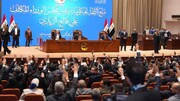
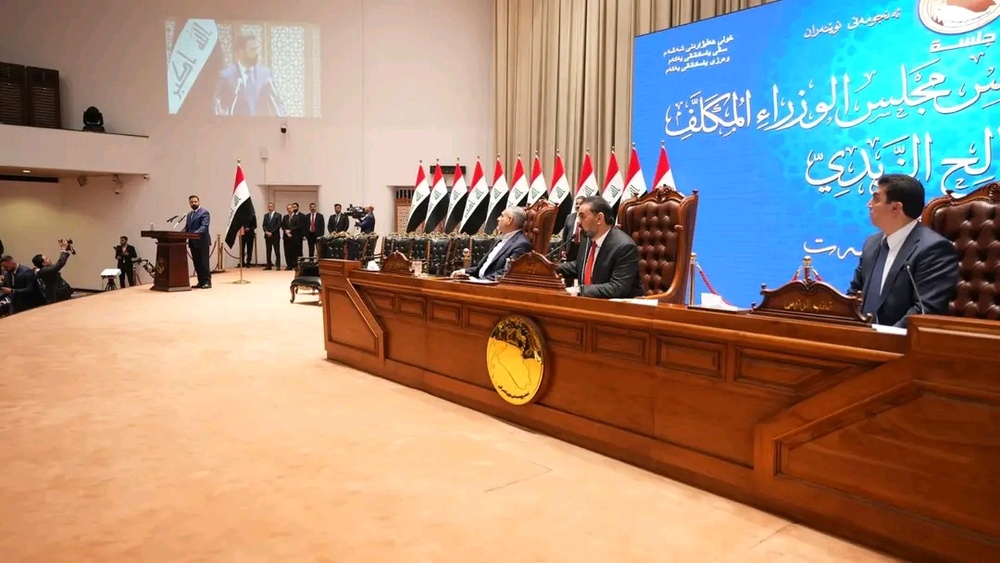
According to Kurdpress, with the vote of confidence of the Iraqi parliament in the majority of the new cabinet to Prime Minister Ali al-Zaidi, once again the case of the disputed areas between Baghdad and Erbil, especially Kirkuk, has returned to the center of political discussions. That too, in the circumstances that the new government's program has not made any reference to Article 140 of the Iraqi Constitution and the fate of these regions.
Article 140, which is one of the most controversial and unresolved clauses of the Iraqi constitution after 2003, provided for a mechanism to determine the status of Kirkuk and parts of Nineveh and Diyala. According to this article, the Iraqi government was obliged to determine whether or not these areas should be annexed to the Kurdistan region by normalizing the demographic situation, holding a census and then a referendum. The process, which was supposed to be completed by the end of 2007, was never implemented.
Although the Iraqi Federal Supreme Court has repeatedly emphasized that Article 140 is still valid and enforceable, successive Iraqi governments have not even completed the initial stages of its implementation. In the meantime, the immigration policies of the Baath regime, during which thousands of Kurdish and Turkmen families were expelled from Kirkuk and other areas and replaced by Arab families, remains one of the main obstacles to solving the crisis.
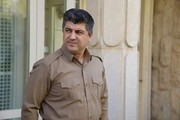
Fahmi Burhan, head of the Kurdistan region's disputed regions board, emphasized in an interview with "Amargi" that the removal of Article 140 from the plan of the new cabinet does not change the legal requirement for its implementation. He said: "Article 140 is still valid and binding on the Iraqi government, but there is no clear prospect of its implementation in Baghdad."
Burhan also considered the differences between the Kurdish parties in Baghdad to be one of the main factors in weakening the political pressure on the central government and said that the lack of a unified Kurdish position has reduced Erbil's leverage in negotiations with Baghdad.
Mohammad Doshiwani, the former representative of the Patriotic Union of Kurdistan in the Iraqi Parliament, also described the removal of Article 140 from the government's program as a reflection of the political divide between Kurdish parties and the limited view of Iraqi governments after 2003. He warned that the continued delay in the implementation of this article will lead to the deepening of ethnic divisions and the weakening of trust in the institutions of the Iraqi government.
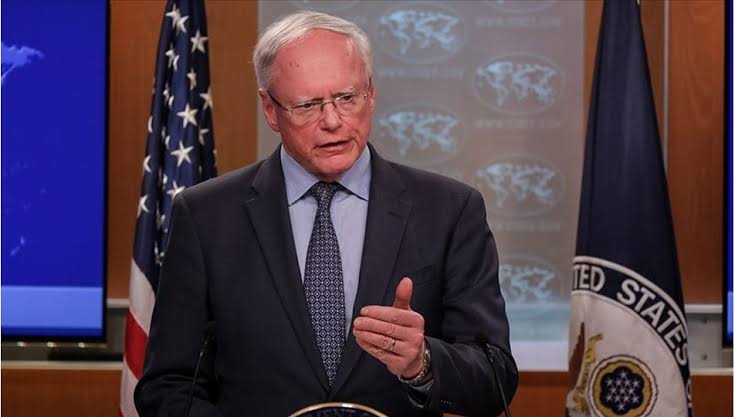
On the other hand, an Arab political official in Kirkuk, who did not want to be named, said: The abandonment of the issue of Article 140 is not only due to Iraq's internal disputes, but also related to regional developments and the change of the US approach after the fall of Bashar al-Assad's government in Syria.
According to him, Washington now supports the formation of a powerful central government in Baghdad more than anything else. In such a situation, the US does not want to open sensitive cases such as Article 140 or create new areas in Iraq. This Arab official also claimed that the Kurds have preferred to remain silent about Article 140 for the time being to prevent further instability in Iraq.
Recent developments in Kirkuk have added to the complexity of the equation. The Patriotic Union of Kurdistan recently handed over the position of governor of Kirkuk to a Turkmen figure; An action that some consider to be part of power sharing agreements and reducing ethnic tensions. However, Doshivani denied any direct connection between these changes and the suspension of the Article 140 process.
Yasin Taha, a Kurdish political analyst, also said: "If we look at the usual criteria, the removal of Article 140 from the plan of the Al-Zaidi cabinet is an important issue. But this government is basically considered a temporary government for Iraq to pass the current stage. He also emphasized that the main problem is the lack of a common position among Kurdish currents; Because each party individually lobbies for its interests in Baghdad.
Finally, Taha added in a pessimistic tone: "The Kurds may need a miracle to implement Article 140 and determine the fate of the disputed areas between Baghdad and Erbil; "Because many clauses of the Iraqi constitution have been suspended for decades, and with the current situation, finding a way to implement Article 140 seems almost impossible."
In addition to Kirkuk, the administration and governance crisis in Shingal also continues. The 2020 agreement between Baghdad and Erbil for the normalization of the situation in this region and the withdrawal of non-state armed groups has not yet been implemented due to political and security differences. Meanwhile, Yazidi groups have opposed the return of the former administration affiliated to the Kurdistan Democratic Party and have demanded the formation of an independent and local administration.
In sum, although Article 140 is still in place from a legal point of view, it is practically suspended from a political point of view; A situation that has kept alive one of the deepest divisions between Baghdad and the Kurdistan region.


Your Comment