

According to Kurdpress, the reform and integration project of the Peshmerga forces in the Kurdistan Region of Iraq, which was followed for nearly a decade with the support of the United States and European countries, is now practically on the verge of failure. This program was supposed to transform the forces affiliated with the Kurdish parties into a national and non-partisan force, but it was stopped due to the deep political divisions between the two main parties of the region.
A new report by the Inkstick website says that the Peshmerga reform program, which began in 2017 with the support of the United States, Britain, Germany and the Netherlands, could not overcome the party structure and historical rivalry between the Kurdistan Democratic Party (KDP) and the Patriotic Union of Kurdistan (PUK). These two parties still maintain control of most of their armed forces and are not willing to give up their security and military influence.
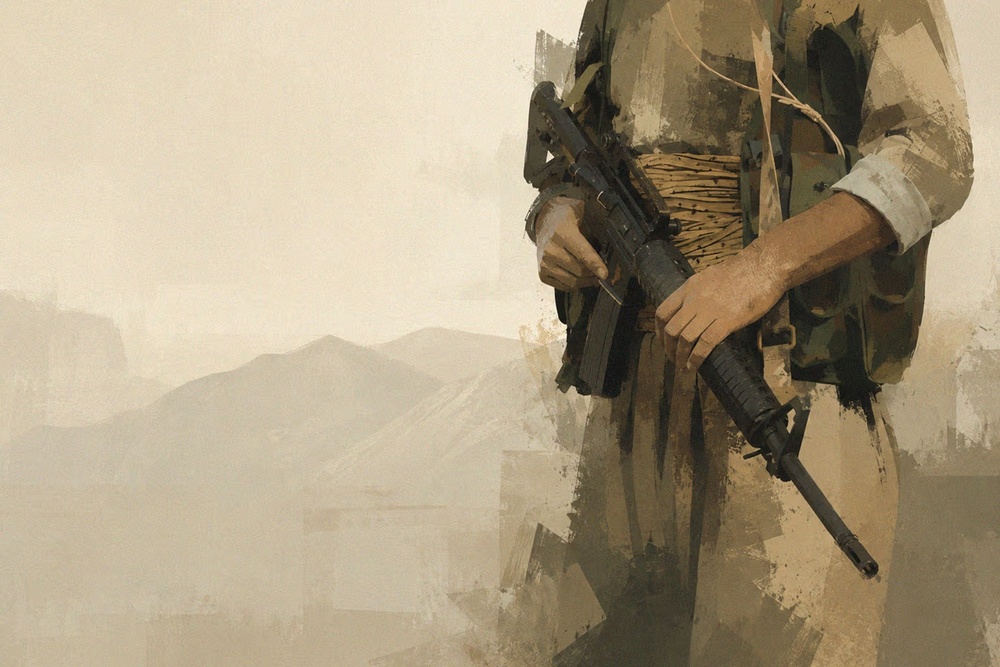
The Peshmerga, which is the official military force of the Kurdistan Region and a part of the Iraqi security structure, played a key role in the war against ISIS and caused thousands of deaths and injuries. However, this force has always faced structural problems, including party fragmentation, financial corruption, unpaid salaries, so-called "imaginary soldiers" and weak command of the unit.
The reform program was supposed to create a single national force by creating common structures, transferring party units to the Ministry of Peshmerga and forming regional brigades; A goal that for many Kurds was not only a military project, but a part of the dream of forming independent national institutions and strengthening the international status of the Kurdistan Region.
However, the report emphasizes that although some units have apparently come under the control of the Peshmerga Ministry, their partisan nature has been effectively preserved. Even changing the name of the famous KDP-affiliated "80" and PUK-affiliated "70" units to "Regional Command" has not been able to eliminate the political affiliation of these forces.
Kurdish military expert Islam Zabari told Inkstick: "The formation of a unified national force is the main desire of the Kurdish people, but what has happened now is more legitimization of party forces within the Ministry of Peshmerga."
Meanwhile, America has also gradually reduced its financial support. The budget allocated to the Peshmerga has been reduced from 415 million dollars in 2016 to 77 million dollars this year, and the payment of aid to the soldiers' salaries has also been stopped. The draft of the US defense budget for 2027 has even proposed the complete elimination of direct aid to the Peshmerga.
The cooperation agreement between the Pentagon and the Ministry of Peshmerga is scheduled to end next September, and at the same time American forces will leave the Kurdistan Region and other Iraqi bases by the end of 2026; Developments that can be the practical end of the Peshmerga reform project.
Experts warn that in the event of a complete failure of the integration process, the Iraqi central government will play a more prominent role in the management and financing of the Peshmerga forces. From the point of view of the nationalist currents, this issue is considered a direct threat to the independence of the region's security decision-making.
Joost Hilterman, a consultant for the International Crisis Group, believes that the Peshmerga reforms were essentially a project driven by pressure and support from the West and not by real domestic will. According to him, with the termination of foreign support, the possibility of the complete end of this process is very high.
The report finally concludes that the failure of the Peshmerga reform project was not only the result of the miscalculation of the US and its allies about the depth of political differences in the region, but also the inability of Kurdish leaders to overcome party interests and create a common national military structure.
Your Comment