

According to Kurdpress, Kobani, a city that became a symbol of the defeat of ISIS and Kurdish resistance a decade ago, today has become the scene of the last attempt of Syrian Kurdish forces to maintain the project of "autonomy" in the north and east of this country. A project that, after the developments of January 2026, has faced its biggest existential crisis in terms of military and politics.
A new field report from the Kurdish regions of Syria shows that the autonomous administration of northern and eastern Syria, known as "Rojava", although it has lost an important part of its territory, oil resources and military influence, it is still trying to preserve political structures, women's rights and Kurdish identity in the form of new agreements with Damascus.
In recent weeks, hundreds of Arab and Kurdish tribal leaders gathered on the outskirts of Kobani to discuss de-escalation and the future of coexistence in northern Syria. Rather than a sign of complete reconciliation, this meeting was a reflection of the fragile atmosphere and deep mistrust after the January clashes.
The only flag raised in this ceremony was the official flag of Syria, which is a sign of the change in the balance of power in favor of the new government in Damascus. However, Elham Ahmed, the head of foreign relations of the Autonomous Administration, emphasized in his speech the necessity of protecting the rights of Kurds, minorities and women in the future Syria.
Kobani, which became the first major defeat of ISIS in 2014, is now wounded but standing. The city has been rebuilt and there are signs of the return of normal life; From the newly established university to the football stadium and new neighborhoods. But behind this appearance, there is a society tired of war and siege.
During the clashes of January 2026, the city was facing water, electricity and severe shortage of food and medicine for weeks, and tens of thousands of displaced people from the surrounding areas sought refuge in Kobani. Many residents are still worried about new attacks and a repeat of the siege scenario.
Meanwhile, the feeling of "betrayal" towards America has become one of the most prominent narratives among Syrian Kurds. In an interview with the author of the report, the families of those killed have emphasized that the Kurdish forces fought alongside the American coalition against ISIS for a decade, but Washington finally paved the way for their forced retreat with the new agreement.
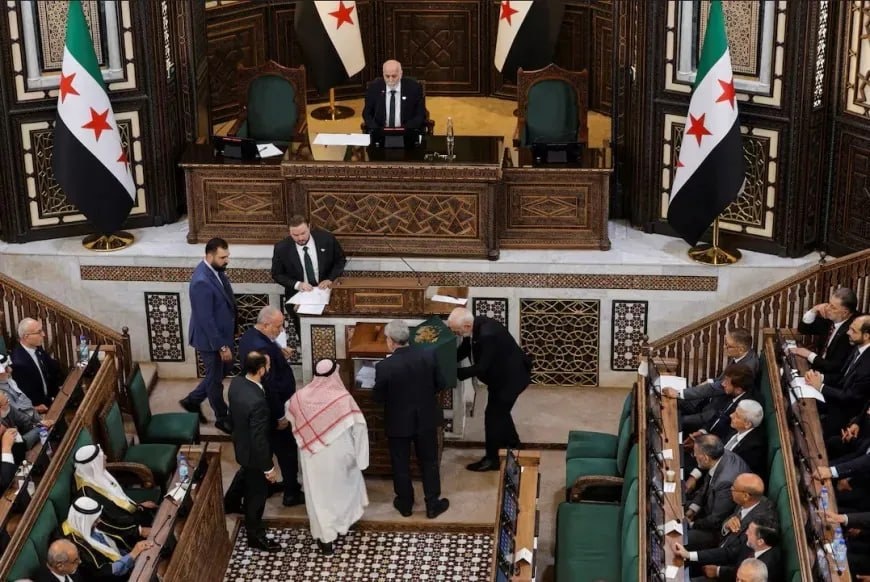
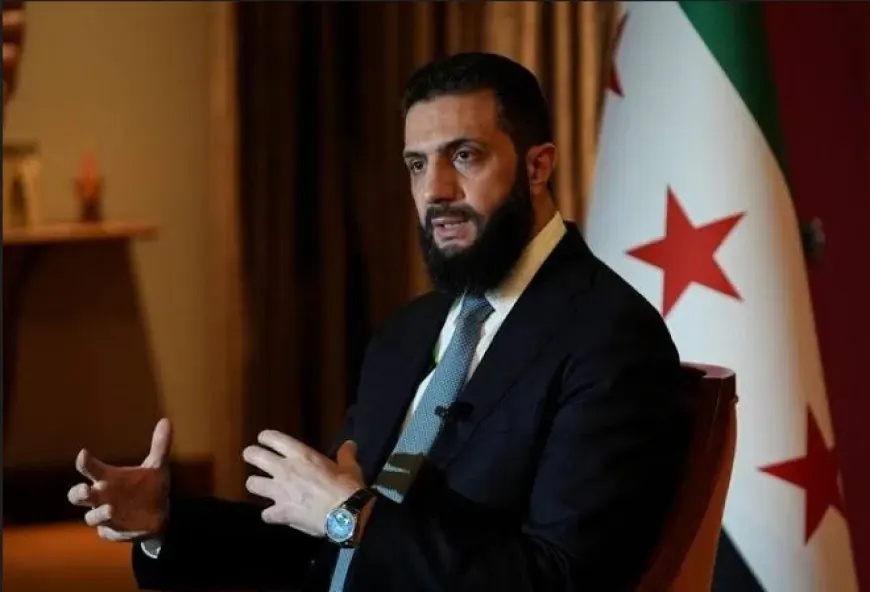
After the fall of Bashar al-Assad's government and the rise of the new Damascus government led by Ahmad al-Shora, the pressure on the Syrian Democratic Forces increased. Türkiye also tightened the circle of pressure on the self-governing regions by supporting armed groups opposing the Kurds.
The result of these developments was the loss of large parts of the Arab areas under the control of the Syrian Democratic Forces, including Raqqa and Deir ez-Zor, and the beginning of the process of integrating the SDF into the Syrian Army; A process that many Kurds consider to be the practical end of the military independence of the Syrian Kurds.
However, Kurdish leaders insist that "integration" should not turn into "surrender". Their main concern is the preservation of civil structures and especially the position of women in the new Syrian order.
Women in this region are not only a part of the social structure, but also the ideological pillar of the self-government project. The YPJ forces, which gained international fame in the fight against ISIS, are now worried about the exclusion of women from the future political and military structures of Syria.
YPJ commanders say today's battle is no longer just military, but has shifted to the legal and political arena, a battle to enshrine women's rights, Kurdish language education and local governance in Syria's future constitution.
At the same time, the gap between a part of the Arab and Kurdish society has deepened after the January developments. Some Arab tribal leaders joined the forces near Damascus during the conflicts; An issue that has caused widespread anger and mistrust among Kurds.
However, the authorities of the autonomous administration still emphasize the continuation of Arab-Kurdish coexistence and warn that the escalation of ethnic tension could lead to a new round of violence in northern Syria.
The report finally presents a picture of the region after January; A region that no longer has the power and scope it once had, but is still trying to maintain the last bastions of self-governance, Kurdish identity, and social gains of the past decade.
Your Comment