

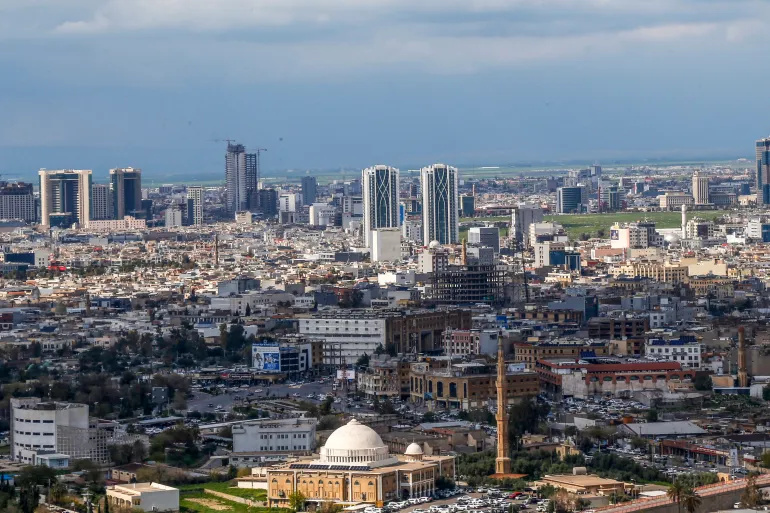
According to Kurdpress, while the Kurdistan Region of Iraq is facing political deadlock, economic crisis and deep internal differences, the leaders of the two main ruling parties, namely the Kurdistan Democratic Party and the Patriotic Union of Kurdistan, continue to use repetitive literature about "readiness" for agreement and cooperation; Literature that many observers believe is more than a sign of political will, it is a tool to escape responsibility and hide structural differences.
In recent months, the political climate of the region has become more stagnant and blocked than ever before. However, the leaders of the two ruling parties constantly emphasize in their statements and interviews that they are "ready" to solve the problems and form a government. This is while their actual performance shows that not only no progress has been made, but both sides have practically entrenched themselves in their positions.
A clear example of this situation is the long crisis of forming the new cabinet of the regional government. The parliamentary elections of the Kurdistan Region were held in October 2024, after more than two years of delay; The delay was the result of deep differences between the two parties over executive and electoral issues. More than 600 days have passed since then, the negotiations between the two sides have remained without results.
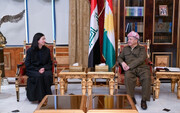
Despite this impasse, both parties still present themselves as "ready to agree".The Kurdistan Democratic Party had announced in November 2025 that Massoud Barzani was personally following the negotiation process and was "ready" to reach an agreement, but at the same time, he named the Patriotic Union responsible for the failure of the talks. A few months later, Qabad Talabani from the Patriotic Union announced: "We are ready; I am ready tomorrow."
But the political reality of the region shows that the main problem is not the lack of preparation, but the fundamental conflict between the views of the two parties about the power structure. The Kurdistan Democratic Party, which has the upper hand in the elections, wants to continue the current governance model and maintain its political superiority; A model that this party believes has led to improvements in infrastructure, banking and electricity. On the other hand, the Patriotic Union of Kurdistan, which for years faced internal divisions and reduced political influence, is now trying to restore its position and change the balance of power in its favor.
In such a situation, the words of the leaders of the two parties about "sacrificing party interests for the people" are more like political slogans than a real plan to solve the crisis. Critics say the word "ready" is deliberately vague; Because without a clear commitment, it makes it possible for politicians to appear to support compromise, but not to act on it. This pattern of behavior is not only limited to the internal differences of the climate and it is also clearly seen in the tense relations between Erbil and Baghdad. One of the most important points of dispute between the two sides is the issue of oil export and the independent oil policy of the region. An issue that has remained unresolved for years between the central government of Iraq and the Kurdistan Region.
Over the past decade, Erbil officials have repeatedly announced that they are "ready" for an oil deal with Baghdad. Nechirvan Barzani said in 2015 that Erbil is ready to sign a new oil agreement with Baghdad. In 2019, he announced that the region is ready to deliver 250 thousand barrels of oil to the Iraqi government. A few years later, he emphasized once again that the region is ready to resolve all disputes based on the Iraqi constitution.
On the other hand, the authorities in Baghdad have also used the same literature. After stopping the export of Iraqi oil through the Ceyhan pipeline in 2023, Mohammad Shia al-Sudani announced that the Iraqi government was "ready" to resume exports, but in practice legal and financial disputes between the two sides remained.
Recently, Masrour Barzani, during his trip to Baghdad, tried to present a cooperative image of the regional government using the same literature. Referring to the "Ronaki" project in the field of electricity, he said that Erbil is ready to share its experiences with Baghdad so that the Iraqi government can benefit from it.
However, critics believe that such positions are often an attempt to manage public opinion and shift the responsibility for failures to the other side rather than a sign of real cooperation. In many cases, these statements have little political cost to the speakers, as they can claim to be "cooperative" even if negotiations fail or agreements are not implemented.
According to observers, the main problem is that the political divisions between Erbil and Baghdad, or between the Democratic Party and the Patriotic Union, are in many cases so deep that it makes reaching an agreement almost impossible. But openly admitting this fact has a high political cost; For this reason, political leaders prefer to hide the existing impasse by repeating the literature of "readiness" and "willingness to agree".
Finally, although preparation for dialogue and agreement is a necessary part of any political process, in the Kurdistan region, these words have gradually lost their true meaning and for many citizens, they remind more than anything of stagnation, mistrust and politics without results.


Your Comment